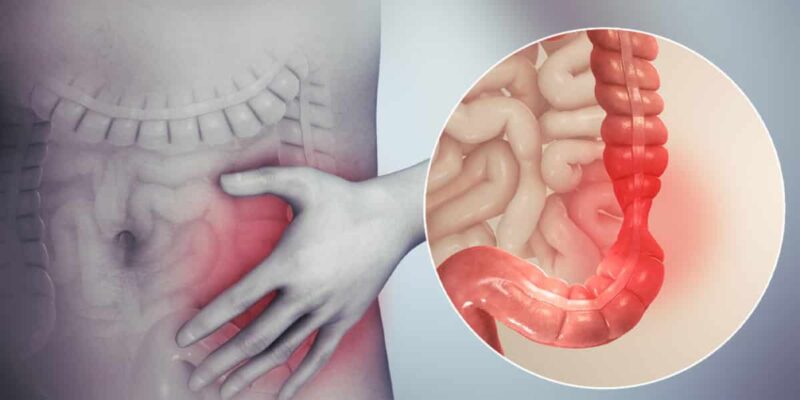
Irritable bowel syndrome affects millions of people worldwide, causing bloating, abdominal pain, diarrhea, or constipation. In search of a natural remedy, many specialists in nutrition and integrative medicine have recommended a soothing tea, based on a balanced combination of medicinal herbs with gentle yet effective effects on the intestines.
What Does the Recommended Tea Contain?
Chamomile is known for its soothing effect on the digestive mucosa, reducing intestinal spasms.
Fennel helps eliminate gas and reduce bloating.
Melissa calms the nerves and helps balance the gut-brain axis.
Peppermint relaxes the smooth muscles of the colon and alleviates abdominal pain.
Ginger reduces inflammation and stimulates digestion.
Complete Recipe for the Tea
Ingredients (for 1 cup):
- 1 tablespoon herbal blend (in equal proportions: chamomile, fennel, melissa, peppermint, dried ginger)
- 250 ml boiling water
Preparation Method:
Pour hot water over the herbal blend, cover the pot, and let it steep for 10-12 minutes. Strain and drink warm, in small sips, preferably after meals.
Recommended Dosage:
You can consume 2-3 cups a day, in courses of 2-3 weeks, followed by a break. It is important that the treatment is integrated into a balanced diet, free from irritating foods.
Benefits
1. Chamomile – Digestive Soother and Intestinal Anti-inflammatory
Chamomile contains flavonoids such as apigenin, which reduces intestinal inflammation and prevents spasms. A study published in the Journal of Ethnopharmacology (2022) demonstrated a reduction in abdominal pain in IBS patients after 4 weeks of regular chamomile infusion consumption.
2. Fennel – The Anti-Bloating Ally
The volatile oils in fennel seeds act directly on the intestinal muscles, reducing spasms and discomfort. According to a study in Complementary Therapies in Clinical Practice (2021), fennel extract significantly reduced bloating and gas in patients with irritable bowel syndrome.
3. Melissa – Relaxation for the Gut and Nervous System
Melissa is known for its natural anxiolytic effect, as well as for reducing gastrointestinal discomfort. Nutritionists recommend this herb especially in cases where stress exacerbates symptoms. Studies show that melissa extract decreases the activity of the HPA (hypothalamic-pituitary-adrenal) axis, reducing the impact of stress on the colon.
4. Peppermint – Clinically Proven Antispasmodic Effect
Peppermint oil is a standard therapeutic in IBS, but tea also offers notable benefits. Researchers from Digestive Diseases and Sciences (2023) observed a 40% improvement in abdominal pain in patients who drank peppermint tea for 3 weeks.
5. Ginger – Anti-inflammatory and Digestive Stimulant
The active compounds in ginger (gingerol, shogaol) reduce inflammation and stimulate intestinal motility. Studies indicate a significant improvement in transit time and a decrease in the sensation of abdominal heaviness.
Contraindications
- Pregnant Women: Some herbs (such as ginger in high doses) may stimulate uterine contractions.
- People with Liver or Biliary Conditions: Peppermint and ginger may exacerbate symptoms in cases of gallstones.
- Allergies: To any of the component herbs.
- Drug Interactions: Ginger may interact with anticoagulants or hypertension medications.
It is recommended to consult a doctor before starting the treatment, especially in the case of a clear IBS diagnosis and ongoing medication.
Sources:
- Journal of Ethnopharmacology – Chamomile extract reduces abdominal discomfort in IBS patients
- Complementary Therapies in Clinical Practice – Fennel tea for bloating and gas in IBS: a clinical overview
- Digestive Diseases and Sciences – Peppermint tea and its effect on abdominal pain in IBS
- Planta Medica – Melissa officinalis in stress-induced gastrointestinal disorders
- Phytotherapy Research – Ginger and gut motility: a review of clinical evidence




