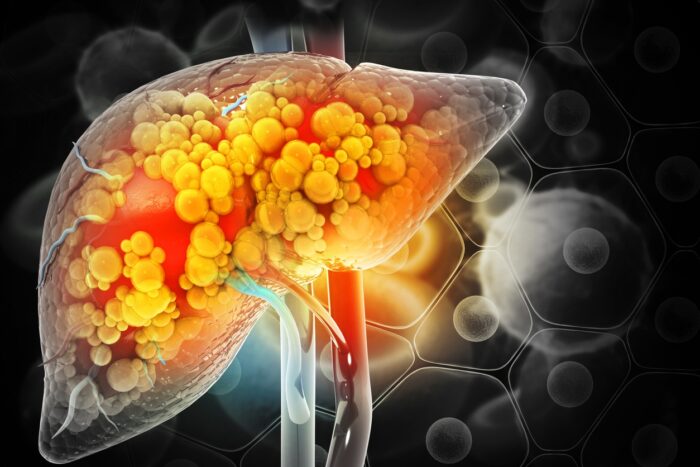
Fatty liver, also known as hepatic steatosis, affects more and more people, being linked to a sedentary lifestyle, a diet high in fats and sugars, as well as chronic stress. While dietary changes and physical exercise play an essential role in healing, nature offers unexpected support: a tea made from a plant known for centuries for its beneficial effects on the liver.
Star Plant: Milk Thistle (Silybum marianum)
Milk thistle is one of the most well-studied medicinal plants for liver health. Its seeds contain a complex of flavonolignans called silymarin, which has hepatoprotective and regenerative properties.
How Silymarin Works:
- Protects liver cells from toxins and free radicals.
- Stimulates the regeneration of hepatocytes (affected liver cells).
- Reduces liver inflammation, a key factor in the progression of fatty liver.
- Supports the elimination of fats from the liver by normalizing lipid metabolism.
How to Prepare Milk Thistle Tea
Ingredients:
- 1 tablespoon of crushed milk thistle seeds (not finely ground)
- 250 ml boiling water
Preparation Method:
- Gently crush the seeds with a mortar or the back of a spoon to release the active substances.
- Pour boiling water over them and let steep for 15-20 minutes, covered.
- Strain and drink one cup a day, preferably in the morning on an empty stomach.
It is important not to consume more than one cup a day, as silymarin has concentrated effects and may interact with some medications.
Other Optional Plants to Add
To enhance the detoxifying and digestive effect, you can add to the milk thistle tea:
- Dandelion stimulates bile production and helps eliminate toxins.
- Artichoke contributes to lowering cholesterol levels and protects hepatocytes.
- Sunflower protects the liver against oxidative stress.
Contraindications
Although milk thistle tea is well tolerated by most people, there are some precautions:
- Not recommended for pregnant or breastfeeding women without medical advice.
- May interact with anticoagulants, antidiabetic medications, or drugs metabolized by the liver.
- Not recommended in case of allergy to plants in the Asteraceae family (such as chamomile, calendula, or yarrow).




