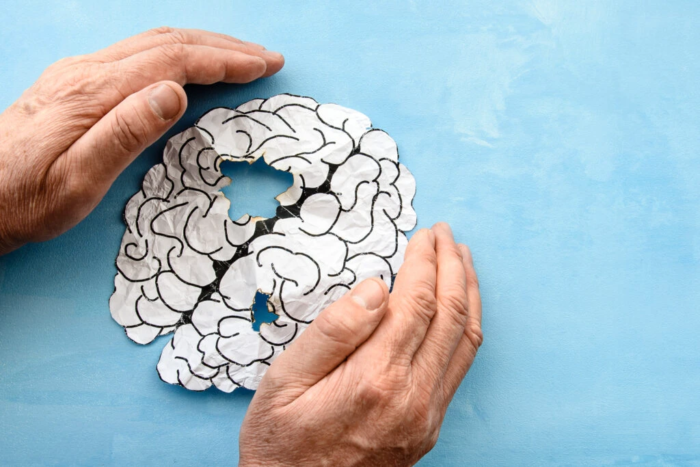
The crucial vitamin for the brain: B12, also known as cobalamin, is an essential nutrient for the health of the nervous system and cognitive functions. Its deficiency can have severe consequences, including memory loss, anemia, and neurological disorders.
Despite the well-known benefits, a new study suggests that B12 vitamin supplements do not always provide significant improvements in cognitive functions for older individuals with moderate deficiencies.
Why Vitamin B12 is Crucial for the Brain
Vitamin B12 is involved in:
- Production of red blood cells: Helps prevent megaloblastic anemia.
- Nervous system health: Maintains optimal functioning of neurons.
- DNA synthesis: Indispensable for cellular regeneration.
Main sources include animal-derived foods such as meat, fish, dairy, and eggs. Individuals following a vegan diet should rely on supplements or fortified foods to avoid deficiencies.
Symptoms of B12 Deficiency
Vitamin B12 deficiency can cause:
- Anemia: Lack of sufficient red blood cells leads to extreme fatigue and pallor.
- Neurological issues: Tingling, numbness in hands and feet, balance difficulties.
- Memory loss: Low B12 levels are associated with cognitive decline.
- Digestive disorders: Constipation, loss of appetite, and weight loss.
In severe cases, deficiency can lead to psychosis, dementia, or irreversible neurological damage.
How Much B12 Do We Need?
Daily recommendations for vitamin B12 vary:
- Adults (over 14 years): 2.4 mcg
- Pregnant women: 2.6 mcg
- Lactating women: 2.8 mcg
In older individuals, the body’s ability to absorb vitamin B12 decreases, necessitating closer monitoring and, in some cases, injectable administration.
Recent Study: Effectiveness of Supplements for the Elderly
A study published in the American Journal of Clinical Nutrition evaluated the impact of vitamin B12 supplementation on cognitive function in individuals over 75 years old with moderate deficiencies. The research, led by Dr. Alan Dangour from the London School of Hygiene & Tropical Medicine, involved 201 participants who received daily vitamin B12 or a placebo for 12 months.
Results
- No significant improvements: No notable differences in neurological or cognitive function were observed between the study groups.
- Conclusions: Supplements are not effective for elderly individuals with moderate B12 deficiencies who do not suffer from anemia.
Dr. Dangour emphasized that a balanced diet and physical activity remain essential for cognitive health.
When Are B12 Supplements Necessary?
Supplements are useful in cases of:
- Vegans and strict vegetarians: They do not consume enough animal-derived foods.
- Individuals with malabsorption: Conditions such as Crohn’s disease, atrophic gastritis, or irritable bowel syndrome can reduce vitamin absorption.
- Individuals taking certain medications: Proton pump inhibitors and metformin can interfere with absorption.
Positive Effects of Vitamin B12
When administered correctly, vitamin B12 can:
- Reduce the risk of cardiovascular diseases by lowering homocysteine levels.
- Improve energy and athletic performance.
- Protect the brain from atrophy caused by aging.
- Help treat depression and improve mood.
Although vitamin B12 is essential for brain and nervous system health, supplements are not a panacea for cognitive decline associated with aging. Elderly individuals and those in at-risk groups should consult a physician for a comprehensive evaluation and prioritize a balanced diet to maintain optimal health.




