The liver is the largest organ in the body and helps the body digest food, store energy, and eliminate toxins, according to Medline Plus. This organ is located in the upper right part of the abdominal cavity and is characterized by its brownish-red color.
When liver functions are disrupted for any reason, certain liver diseases may occur, such as hepatitis A, B, and C, fatty liver, cirrhosis, liver cancer, or hereditary diseases like hemochromatosis and Wilson’s disease.
In general, the symptoms generated by these types of conditions can vary, but the most common symptoms include abdominal swelling, swelling in the legs, changes in stool and urine color, and yellowing of the eyes and skin (jaundice). It is worth mentioning that in some cases, there are no symptoms, making detection even more difficult.
However, in the presence of a liver condition, it is important to consult a doctor to diagnose the cause and receive treatment. Additionally, it is important to have a healthy diet that includes various types of antioxidants.
Therefore, to keep the liver healthy, it is vital for people to avoid alcoholic beverages, among other products, and to eat foods that help heal the affected organ.
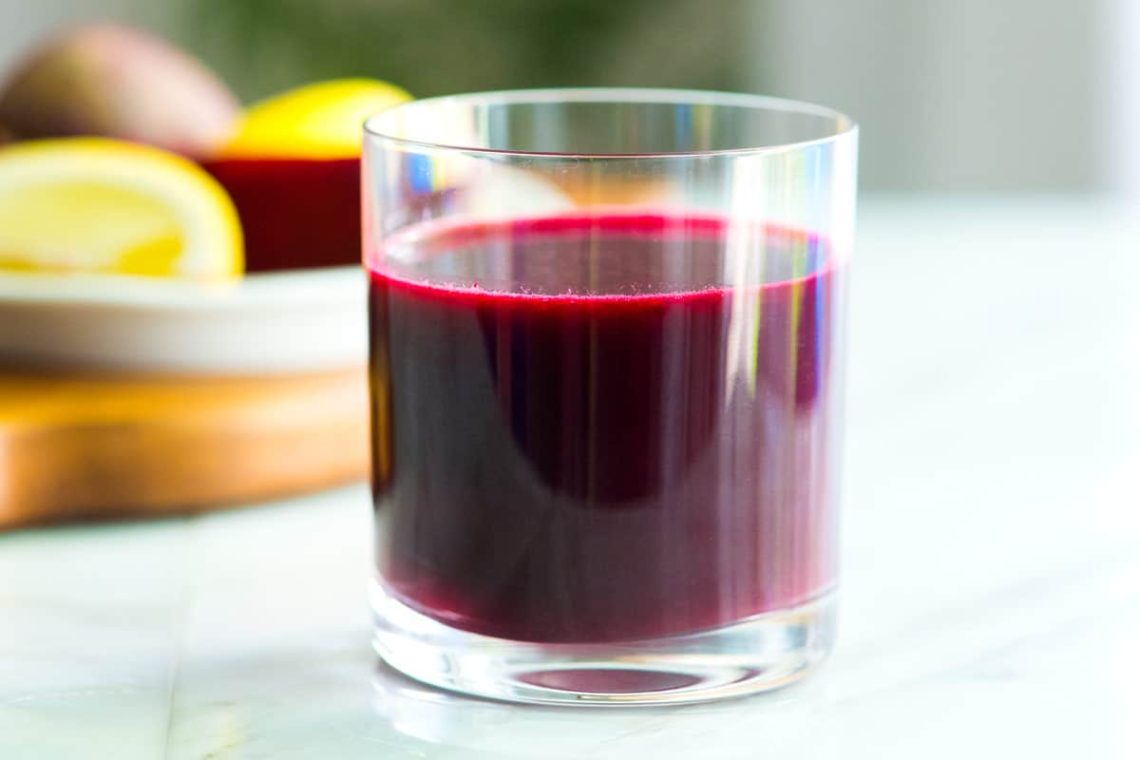
Some of these, in juice form, according to the UnComo portal, are beets and lemon, as they have antioxidant properties that purify the liver by eliminating heavy metals.
To prepare it, a large beet must be peeled and chopped and added to a blender. Then, the juice of two lemons is squeezed into it, a glass of water is added, and it is processed. When finished, you can drink the juice.
Liver Cancer
Liver cancer can be a silent cancer. The most common type is hepatocellular carcinoma, and there are others such as intrahepatic cholangiocarcinoma and hepatoblastoma, although the latter are the least common.
For individuals at high risk of liver cancer due to cirrhosis (from any cause), hereditary hemochromatosis, or chronic hepatitis B infections (even without cirrhosis), some experts recommend liver cancer screening every six months with blood tests for alpha-fetoprotein (AFP) and ultrasound.
In some studies, screening tests have been linked to better survival rates for liver cancer, explains the American Cancer Society.
According to the Mayo Clinic, most patients with liver cancer do not show signs or symptoms of the disease in the early stages. When they do manifest, they may include the following:
Unintentional weight loss.
Loss of appetite.
Pain in the upper abdomen.
Nausea and vomiting.
General weakness and fatigue.
Abdominal swelling.
Yellowing of the skin and the whites of the eyes (jaundice).
Pale or whitish stools.




