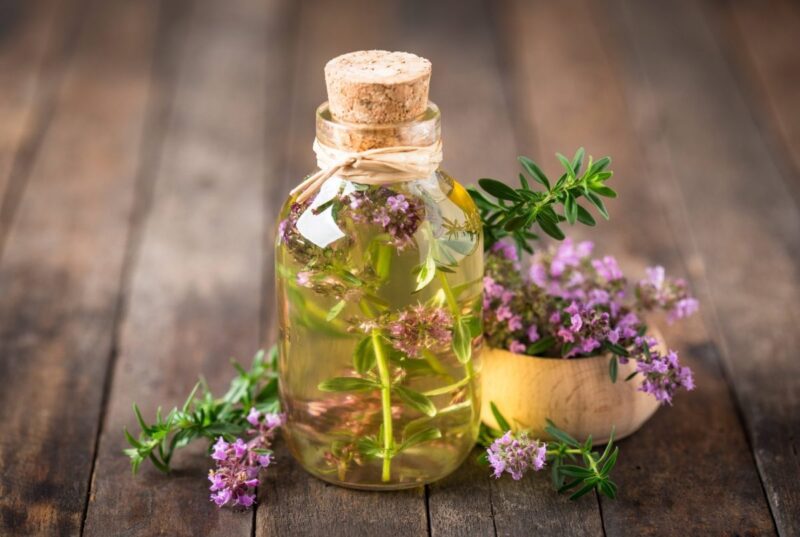
Thyme oil (Thymus serpyllum) is considered one of the most concentrated therapeutic forms of the plant, due to its rich content of essential oils, antioxidants, and volatile substances with antimicrobial, anti-inflammatory, and antispasmodic effects. In natural medicine, it is used as an adjunct treatment for respiratory, muscular, skin, and circulatory conditions.
How to Prepare Thyme Oil at Home
Ingredients:
- 100 g dried thyme (stems, leaves, and flowers)
- 250 ml cold-pressed oil (preferably extra-virgin olive oil or sweet almond oil)
- airtight glass jar
- clean cheesecloth
Preparation Method:
- Place the dried and crushed plant in a clean, dry jar.
- Pour the oil over the plant, completely covering it. Gently press with a wooden spoon to remove air bubbles.
- Seal the jar and let it macerate for 21 days in a warm place, away from direct sunlight.
- Gently shake the jar daily.
- After 3 weeks, strain the oil through double cheesecloth and store it in a dark glass bottle in a cool place.
Optional: For a more concentrated oil, repeat the maceration with a second round of fresh plant.
Therapeutic Benefits
1. Powerful Natural Antiseptic and Antibacterial
Thyme oil is extremely rich in thymol and carvacrol, substances with scientifically proven antimicrobial action. These inhibit the growth of pathogenic bacteria such as Staphylococcus aureus, E. coli, as well as fungi and viruses.
It can be applied locally on:
- wounds, scratches, infected acne
- eczema with bacterial superinfection
- fungal infections of nails and skin (in a mixture with coconut oil)
Study: Antimicrobial properties of Thymus serpyllum essential oil Molecules, 2019 demonstrated a significant inhibition of the growth of gram-positive and gram-negative bacteria.
2. Muscle Relaxant and Joint Anti-inflammatory
Applied through massage on painful areas, the oil reduces pain, inflammation, and muscle stiffness. It is effective for:
- back, cervical, and lumbar pain
- neuralgias and muscle cramps
- joint pain (rheumatism, arthritis)
How it works: Thymol has a mild local anesthetic effect and promotes muscle relaxation by inhibiting pain signals.
3. Respiratory Decongestant and Natural Cough Suppressant
Used in the form of inhalation or chest massage, thyme oil:
- thins bronchial secretions
- helps eliminate mucus from the lungs
- reduces inflammation and irritation of the respiratory tract
Recommended for: acute/chronic bronchitis, laryngitis, pharyngitis, sinusitis, mild asthma.
Usage method:
5-6 drops in hot water for inhalation (2 times a day)
or 5 drops mixed with a tablespoon of olive oil, applied to the chest and back.
4. General Tonic and Circulatory Stimulator
Through massage, the oil activates peripheral circulation and combats the sensation of heavy, cold, tired legs. It stimulates local metabolism, which promotes:
- lymphatic drainage
- reduction of edema
- revitalization of pale, anemic skin
Therapeutic and Cosmetic Uses
| Use | Application Method |
|---|---|
| Therapeutic Massage | 10 drops in 20 ml base oil |
| Inhalations | 5-6 drops in 500 ml hot water |
| Aromatherapy | 3-4 drops in a diffuser |
| Local Compresses | 5 drops in 200 ml warm water, applied to the painful area |
| Bath Therapy | 10-15 drops in an emulsion (honey/milk) for a full bath |
| Scalp Care | 3-5 drops in shampoo or mask to combat dandruff and excess sebum |
| Tired Feet | rub with 10 drops diluted in vegetable oil |
Contraindications and Precautions
- Do not apply undiluted on the skin – it may cause severe irritation.
- Contraindicated during pregnancy and breastfeeding.
- Avoid in children without medical advice.
- Individuals with high blood pressure, epilepsy, or allergies to plants in the Lamiaceae family (mint, basil, oregano) should avoid internal use or direct inhalation.
- Avoid contact with eyes and mucous membranes.
Allergy Test: apply a diluted drop on the wrist and wait 24 hours.
Sources:
- Molecules (2019) – Thymus serpyllum Essential Oil Composition and Antimicrobial Properties
- International Journal of Molecular Sciences (2021) – The Mechanisms of Action of Carvacrol and Thymol
- Journal of Applied Microbiology (2020) – Antifungal activity of essential oils
- Phytotherapy Research (2018) – Topical use of thyme oil in muscle pain and respiratory disorders




