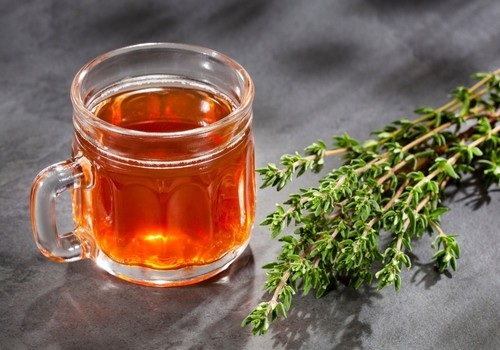
Thyme tea (Thymus vulgaris) is a commonly used remedy for respiratory health, appreciated for its antiseptic, expectorant, and soothing effects. However, despite its excellent reputation in supporting lung health, it is not suitable for everyone. Certain categories of people may experience adverse reactions or complications if consumed without caution.
Benefits of Thyme Tea for Lung Support Backed by Research
Thyme contains volatile oils (especially thymol and carvacrol) with demonstrated antibacterial and antifungal properties in several clinical and laboratory studies. A study published in Evidence-Based Complementary and Alternative Medicine (2020) showed that thyme extracts reduce bronchial inflammation and combat microorganisms responsible for respiratory infections.
Another study in Phytotherapy Research (2019) confirmed that thyme infusion has a bronchodilator effect, helping to eliminate secretions and soothe coughs. Essentially, the active substances in thyme act on both the cause of the infection (microbes) and the symptoms (cough, congestion, irritation).
It is often recommended for:
- acute and chronic bronchitis
- respiratory viral infections
- asthma (only with medical advice)
- sinusitis and productive cough
However, this natural remedy has its limitations.
Important Contraindications
1. Individuals with Thyroid Disorders
Thyme contains substances that can influence thyroid activity, especially in individuals with hyperthyroidism. According to a study published in Journal of Endocrinological Investigation (2018), certain components in thyme oil can stimulate the secretion of thyroid hormones. Therefore, regular consumption of thyme tea is not recommended for individuals with thyroid disorders without medical consultation.
2. Pregnant and Breastfeeding Women
Excessive consumption of thyme tea during pregnancy may stimulate uterine contractions. Although there are not enough human clinical studies, animal research indicates a possible uterotonic activity. Pregnant or breastfeeding women should avoid prolonged use or high concentrations of tea, especially in the form of extracts.
3. Children Under 2 Years
Due to the intense effect of volatile oils, thyme tea is not recommended for very young children. These substances can irritate the gastric mucosa or cause allergic reactions. In the case of children aged 2 to 6 years, it can be administered in reduced quantities, diluted, only under the guidance of a pediatrician.
4. Individuals with Allergies to Plants in the Lamiaceae Family
Thyme belongs to the same family as oregano, mint, and basil. Individuals allergic to these plants may develop reactions such as itching, rashes, or even respiratory difficulties after consuming thyme tea.
5. Patients with Gastric Ulcers or Gastritis
Although it is occasionally used for digestive issues, thyme tea can irritate the stomach in sensitive individuals or those suffering from acute ulcers or gastritis. Thymol, the active substance in thyme, has a strong effect on the digestive mucosa.
6. Treatment with Anticoagulants
The volatile oils in thyme may have a mild anticoagulant effect. If administered alongside anticoagulant medications (e.g., warfarin, aspirin), there is a risk of bleeding. Therefore, caution and medical consultation are necessary.
Correct Dosage and Recommendations
For adults, the usual dose is 1 tablespoon of dried plant per 250 ml of boiling water, infused for 10 minutes. 2-3 cups per day can be consumed for a maximum of 7 consecutive days. For children over 6 years, half a cup per day is recommended, with a weaker infusion.
Sources:
- Phytotherapy Research Thymus vulgaris extract in respiratory disorders
- Evidence-Based Complementary and Alternative Medicine Antimicrobial and anti-inflammatory properties of thyme
- Journal of Endocrinological Investigation Herbal products and thyroid function




