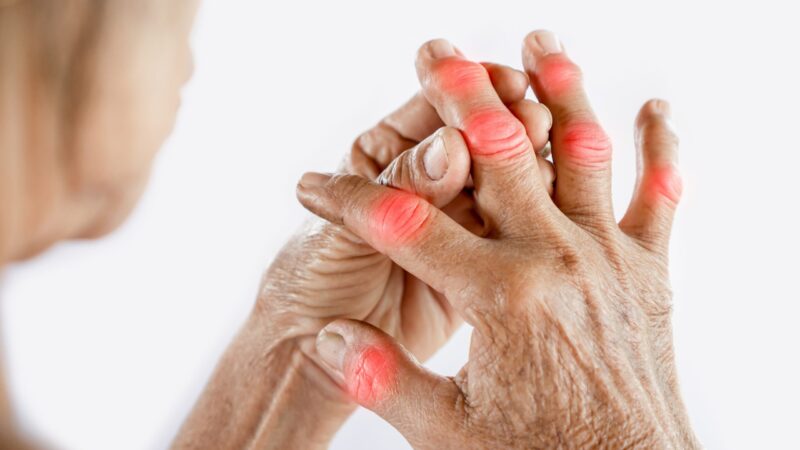
Cold temperatures can exacerbate arthritis, and doctors offer advice to alleviate the pain caused by this condition.
Arthritis refers to the inflammation of one or more joints. The main symptoms of arthritis include pain in the affected joint, which may be swollen. Inflammation can also extend to the skin, causing redness and warmth in the area.
Dr. Mariko Ishimori provides tips for patients with arthritis. She states that cold temperatures increase sensitivity to pain.
“Our joints function best in moderate weather,” said Dr. Mariko Ishimori, interim director of the Cedars-Sinai Division of Rheumatology. “When the weather gets colder, the synovial fluid that acts like motor oil in our joints becomes more like sludge.”
Pain Caused by Cold Weather
The Arthritis Foundation states that low temperatures increase sensitivity to pain, slow blood circulation, and cause muscle spasms.
Additionally, joints monitor and adapt to changes in atmospheric pressure.
A drop in barometric pressure can increase tension in muscles and tendons, which can strain an already tight joint, Ishimori said in a Cedars-Sinai press release. “When the joint capsule expands, you can feel it.”
Experts believe there are several basic precautions that arthritis patients can take to prevent joint pain caused by the cold.
“Our joints function best in moderate weather. When the weather gets colder, the synovial fluid that acts like motor oil in our joints becomes more like sludge,” says Dr. Mariko Ishimori.
Muscle Spasms
The Arthritis Foundation states that low temperatures increase sensitivity to pain, slow blood circulation, and cause muscle spasms.
Additionally, joints monitor and adapt to changes in atmospheric pressure.
A drop in barometric pressure can increase tension in muscles and tendons, which can strain an already tight joint, Ishimori said in a Cedars-Sinai press release. “When the joint capsule expands, you can feel it.”
Measures to Prevent Joint Pain Caused by Cold
Experts believe there are several basic precautions that arthritis patients can take to prevent joint pain caused by the cold:
Keep Warm. Maintain warmth during sleep by using blankets, gloves, heating pads, and socks. Hot water bottles relieve joint stiffness;
Stay Active. Physical exercise relaxes joints, boosts energy, and releases hormones that promote well-being. Aim for 150 minutes of moderate-intensity activity per week, including two strength training sessions;
Stretch. Stretch often, especially before activity. Bend your knees, rotate your joints, and stretch your fingers and hands;
Healthy Diet. A healthy diet reduces inflammation, boosts the immune system, and strengthens bones. Ensure adequate intake of vitamin D and omega-3 fatty acids to reduce inflammation;
Healthy Weight. Excess weight puts pressure on bones, joints, and tissues. Losing weight reduces discomfort and stiffness;
Be Cautious. Joints affected by arthritis can affect balance and create persistent discomfort after movement. Walk slowly and wear good footwear.
Individual advice may vary. Ishimori encourages people to examine how cold weather affects their joints and then make lifestyle adjustments to feel better.
“There are many things we can do to ease joint pain and stiffness,” she said. “You don’t have to suffer in silence,” according to medicalxpress.




