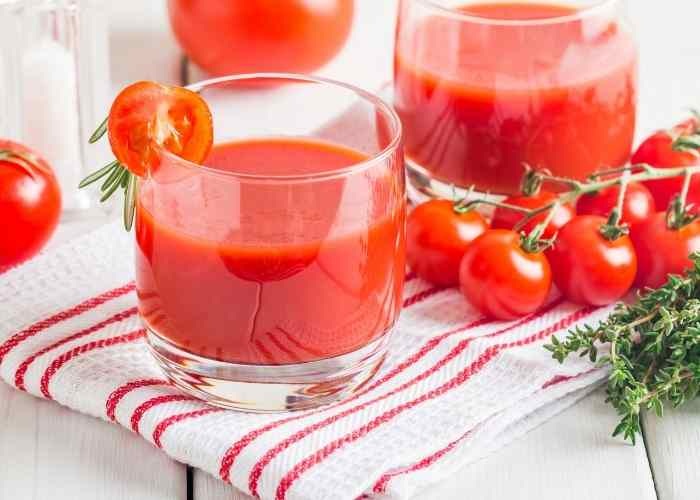
Natural, easy to prepare, and extremely nutritious, tomato juice is not just a refreshing drink, but a true tonic for the body. Rich in antioxidants, vitamins, and minerals, this juice can support heart health, skin health, liver function, and even the immune system. However, like any natural remedy, it should be consumed correctly and in moderation.
Classic Tomato Juice Recipe (without preservatives)
Ingredients:
- 3 kg of ripe tomatoes
- 1 tablespoon of salt (optional)
- Basil or celery leaves (optional)
Preparation method:
- Wash the tomatoes well and remove the stems.
- Cut them into quarters and place them in a large pot over low heat, without water.
- Cook for 30 minutes, stirring occasionally, until the tomatoes are completely softened.
- Pass everything through a sieve or a special tomato juicer.
- The obtained juice is boiled again for 10-15 minutes. Add salt and aromatic leaves if desired.
- Pour the hot juice into sterilized bottles and seal them tightly. Store in the refrigerator or sterilize for winter.
Nutritional Profile (for 250 ml of fresh tomato juice)
| Nutrient | Approximate Value |
|---|---|
| Calories | 40 kcal |
| Carbohydrates | 9 g |
| Protein | 2 g |
| Fats | 0.5 g |
| Fiber | 1.5 g |
| Vitamin C | 40 mg (44% DV) |
| Vitamin A | 1200 IU (24% DV) |
| Potassium | 550 mg |
| Lycopene | 16 mg |
| Folic Acid (B9) | 35 mcg |
Health Benefits
1. Supports Heart Health
Tomato juice is a rich source of lycopene, an antioxidant that can reduce the oxidation of LDL cholesterol, protecting the arteries. Regular consumption of tomato juice is associated with a decrease in vascular inflammation and an improvement in arterial elasticity. The potassium in its composition helps regulate blood pressure, promoting electrolyte balance and preventing hypertension. Some studies have linked tomato juice to a reduced risk of heart attack and stroke. The polyphenolic compounds and antioxidants in tomatoes play a crucial role in preventing cardiovascular diseases.
2. Contributes to Liver Detoxification
Tomato juice stimulates the secretion of liver enzymes, aiding in the elimination of toxins. It is rich in water and antioxidants that protect liver cells from oxidative stress. Tomatoes contain glutathione, a substance directly involved in liver detoxification processes. Daily consumption for 7-10 days can support the natural cleansing of the liver. Additionally, the juice has a mild choleretic effect, meaning it stimulates bile production, which aids in fat digestion and supports liver health.
3. Improves Skin Health
Due to its high content of lycopene, vitamins C and A, tomato juice helps protect the skin against free radicals and the negative effects of UV rays. Vitamin C contributes to collagen formation, maintaining skin elasticity. Lycopene has a photoprotective effect, reducing sun damage to the skin. Furthermore, regular consumption of tomato juice can reduce acne and skin inflammation due to its anti-inflammatory properties. It is often used in many natural cosmetics for skin tone evening.
4. Supports the Immune System
Vitamin C and lycopene in tomato juice stimulate the activity of immune cells, especially lymphocytes. These substances strengthen the body’s natural barriers and reduce chronic inflammation. Tomatoes also contain beta-carotene, a precursor to vitamin A, essential for the health of mucous membranes and the respiratory system. Regular consumption helps combat viral and bacterial infections. Additionally, the juice contains zinc in small but useful amounts for supporting the immune response.
5. May Contribute to the Prevention of Certain Types of Cancer
Lycopene is extensively studied for its anti-cancer effects, particularly against prostate, lung, and stomach cancers. Studies show that tomato juice has a higher bioavailability of lycopene than raw tomatoes, making it even more effective. The antioxidants in tomatoes neutralize free radicals, which can damage DNA and promote the development of cancer cells. Regular consumption is associated with a lower risk of tumors, especially when part of a diet rich in vegetables and low in saturated fats. Additionally, the organic acids in tomatoes contribute to blood alkalization and the reduction of systemic inflammation.
Relevant Studies
Lycopene and Risk of Cardiovascular Diseases American Journal of Clinical Nutrition
This study analyzed the effects of lycopene consumption (mainly from tomato juice) on cardiovascular health in over 10,000 participants. The results showed a significant reduction in the risk of myocardial infarction and stroke among those with higher levels of lycopene in their blood. Researchers also observed an improvement in endothelial function and a decrease in inflammatory markers. The study suggests that the form of lycopene in tomato juice (cooked) is more metabolically active than that in raw tomatoes. The authors recommend regular consumption of tomato juice as part of a preventive diet.
Tomato Juice Intake Reduces Inflammation and Oxidative Stress in Overweight Women Nutrition Journal
This study involved overweight women who consumed 280 ml of tomato juice daily for 2 months. At the end, there was a significant reduction in TNF-alpha and IL-6 (inflammatory markers) and a decrease in oxidative stress. Additionally, an improvement in the lipid profile was observed, with a decrease in triglycerides and an increase in HDL (good cholesterol). The effects were attributed to the presence of lycopene, vitamins C and E, as well as other phytonutrients. The study suggests the strong anti-inflammatory role of tomato juice in anti-obesity and anti-inflammatory diets.
Contraindications and Precautions
- Gastric ulcer and gastroesophageal reflux – tomato juice is acidic and may worsen gastric burns.
- People with hyperkalemia – should avoid excessive consumption due to potassium content.
- Patients with kidney insufficiency – should consume in moderation due to the risk of electrolyte imbalance.
- Food allergies – some individuals may develop allergic reactions to tomatoes, manifested by rashes or digestive issues.
- Drug interactions – may mildly interfere with anticoagulant medications (vitamin K), so medical supervision is recommended.
Sources:
- American Journal of Clinical Nutrition – Lycopene and Risk of Cardiovascular Diseases
- Nutrition Journal – Tomato Juice Intake Reduces Inflammation and Oxidative Stress in Overweight Women




