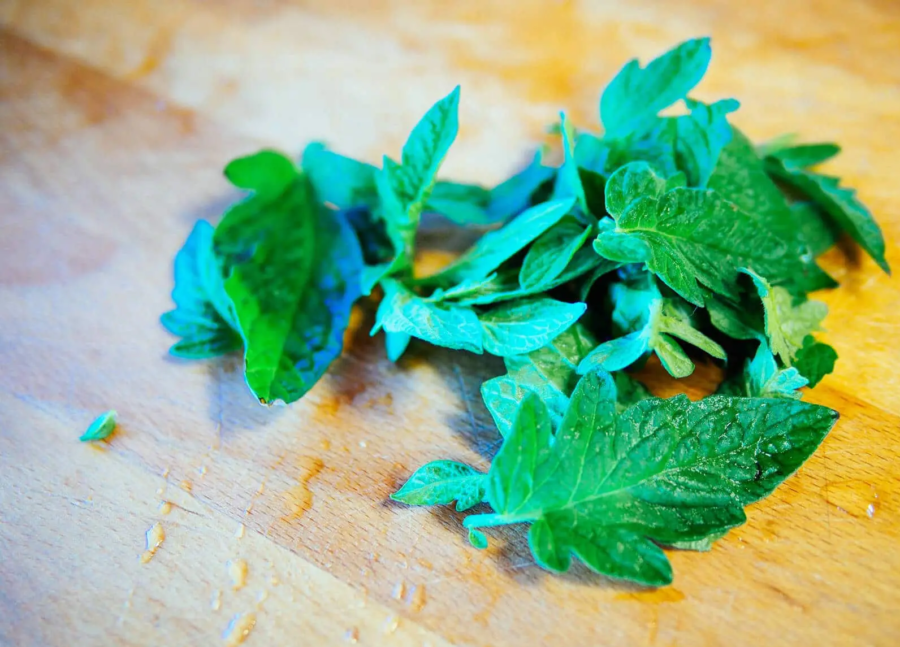
Using Tomato Leaves in Cooking: Benefits and Precautions
Tomato leaves are often overlooked in cooking, but they can add a distinct and complex flavor to culinary dishes. Although they are edible, it is important to use them in moderation, considering the chemical compounds they contain and how they can influence the flavor of foods.
Next, we will explore the chemical substances in tomato leaves, their use in various dishes, and the necessary precautions for safe consumption.
Chemical Composition of Tomato Leaves
Tomato leaves, like other parts of the plant, contain various chemical substances, among which solanine is the most notable. Solanine is a toxic alkaloid found in other plants of the Solanaceae family, such as potatoes and eggplants. In large quantities, solanine can cause unpleasant symptoms, such as nausea, vomiting, and diarrhea. However, the amounts of solanine in tomato leaves are relatively small, and moderate use does not pose risks for most people.
In addition to solanine, tomato leaves also contain other bioactive compounds, including flavonoids and phenolic acids, which may contribute to their antioxidant properties. These substances can influence the flavor of the leaves and add interesting notes to culinary dishes.
Using Tomato Leaves in Cooking
Tomato leaves can be incorporated into dishes in several ways, adding a fresh and slightly peppery flavor. Here are some methods to use them:
1. Infusions and Flavors:
Tomato leaves are excellent for infusing soups, broths, and sauces. Adding them during cooking allows their flavor to be released into the liquid without needing to consume them directly. It is recommended to remove them before serving.
2. Marinades and Sauces:
Tomato leaves can be finely chopped and added to marinades for meat or sauces. Their slightly tangy and peppery flavor can complement tomato-based dishes and other vegetables well.
3. Cooking Directly:
The leaves can be added to stews or dishes cooked over low heat, where their flavor will blend with the other ingredients. Make sure to use them in moderation, as their taste can be quite intense.
Precautions and Recommendations
Despite their culinary potential, tomato leaves should not be consumed in large quantities. Because they contain solanine, it is important to use them moderately and cook them properly. Fresh leaves may have a more intense flavor than dried ones, so it is safer to use small amounts and remove them after cooking.
For those with health issues or sensitivities to specific compounds, it is recommended to consult a specialist before adding tomato leaves to their diet. Additionally, if using tomato leaves from an uncertified source, ensure they are clean and show no signs of damage or infestation.
Tomato leaves can add a distinct and interesting note to culinary dishes, but it is essential to use them carefully, considering the chemical compounds they contain. By using them in moderate amounts and preparing them correctly, you can explore new flavors and add a unique touch to your dishes.




