The relationship between food and acne has always been a topic of debate. While some studies claim there is no link between food and acne, others support the opposite. However, it is established that the intake of the right nutrients (or their deficiency) can affect skin health.
Although multiple factors can trigger acne, food can play a major role. In this article, we explore a list of 10 categories of foods that can cause acne or worsen the condition.
Top Foods That Cause Acne
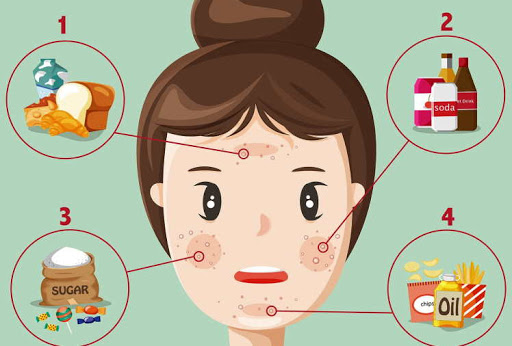
Refined Grains and Sugar
Studies have found that frequent sugar intake may lead to the development of acne.
Foods that contain refined grains and sugar include:
white rice
white flour pasta and bread
white flour baked goods, pastries, and cakes
sugary snacks
sweeteners like honey, maple syrup, and cane sugar
Dairy Products
A study analyzing the diet of 47,355 women found a positive link between acne and the intake of whole and skim milk. Other dairy products, such as cream and cottage cheese, have also been shown to cause acne.
Fast Food or Junk Food
A study evaluating the prevalence of acne in adolescents found that those with acne did not have healthy eating habits. Researchers concluded that frequent consumption of junk foods, such as fatty foods, burgers, fries, pastries, and sugar, could increase the risk of acne or exacerbate it.
Foods High in Omega-6 Fatty Acids
A typical Western diet contains high levels of omega-6 fatty acids and lower levels of omega-3. Omega-6 fatty acids are found in most vegetable and cooking oils, and most processed foods are cooked in these oils.
You don’t need to eliminate omega-6 fatty acids from your diet. You can control your intake of processed foods and foods cooked in vegetable oils. Choose oils low in omega-6 fatty acids, such as olive oil, coconut oil, and palm oil. Avoid oils high in omega-6 fatty acids, including sunflower, soybean, and cottonseed oils.
Whey Protein Powder
Whey protein is the liquid left over after milk is coagulated and separated during cheese production. Although whey is rich in amino acids, whey proteins have been associated with increased acne in adolescents who consume it.
Milk and dairy products can increase IGF-1 receptors and the production of hormones like progesterone and estrogen. These are believed to contribute to acne, although more research is needed to understand the mechanism behind it.
Non-Organic Meat
Hormonal medications, whether natural or synthetic (including progesterone, estrogen, and testosterone), are often used to increase the growth rate of animals. This is done to prepare them for sale more quickly.
Consuming such meat can trigger acne by increasing androgen activity and insulin-like growth factor-1 (IGF-1).
Caffeine and Alcohol
A study showed how coffee reduces insulin sensitivity. This means that blood sugar levels remain elevated for a longer period than usual after drinking coffee. This can increase inflammation and may worsen acne.
Processed Foods
Frozen, canned, and pre-cooked meals can be considered processed foods. They often contain added ingredients such as sweeteners, oils, spices, and preservatives used for flavoring. Ready-to-eat foods are usually heavily processed and can cause acne.
Fried Foods
Potato chips, French fries, burgers, and other fried and processed foods can cause acne, among many other damages.
These also include other high-glycemic foods that rapidly increase blood sugar levels, leading to inflammatory conditions such as acne.
Sugary Beverages
Energy drinks contain high levels of sugar and can raise blood sugar levels. In one study, it was found that sugar intake from soft drinks increased the risk of acne. Any beverage with sugar can increase the risk of acne. Therefore, avoid excessive consumption of energy drinks and sugary soft drinks.
What to Eat to Keep Your Skin Beautiful and Healthy
Here are some foods you can add to your diet to keep your skin beautiful and prevent acne:
Foods Rich in Omega-3 Fatty Acids
Unlike omega-6 fatty acids, omega-3 fatty acids have anti-inflammatory properties. Those with a diet rich in omega-3 fatty acids have shown lower levels of acne. Therefore, eat more foods like salmon, sardines, herring, rapeseed oil, and other seafood like tuna, mackerel, shrimp, and shellfish. These will help increase your omega-3 intake.
Probiotics
Probiotics produce antibacterial proteins and inhibit the growth of P. acnes and S. aureus. Both bacteria are known to cause acne.
Green Tea
Green tea contains polyphenols that act as anti-inflammatory and antimicrobial agents. Some evidence shows that these polyphenols help reduce excess sebum production and inhibit the growth of P. acnes.
Turmeric
Turmeric contains curcumin, a compound responsible for its therapeutic benefits. Whether taken orally or applied topically, turmeric can help in treating skin conditions such as acne.
Foods Rich in Vitamins A, D, E, and Zinc
These vitamins help maintain skin health. A deficiency in these essential vitamins can often lead to acne. You can consume eggs, broccoli, fatty fish like mackerel and tuna, nuts, seeds, and legumes.
Mediterranean Diet
The Mediterranean diet involves a high intake of proteins, fresh vegetables, whole grains, herbs, spices, seafood, seeds, legumes, and extra virgin olive oil. Foods like cheese, poultry, and eggs are consumed in moderation, while processed foods, refined grains, and sugary beverages should be completely excluded. Following the Mediterranean diet has been associated with a significant reduction in the risk of acne.
Diet plays a crucial role in maintaining overall skin health. A holistic approach is necessary to reduce acne and enhance skin health. Yes, it can be challenging to make dietary changes, but you can always start slowly. Try to reduce your junk food intake and follow a balanced lifestyle to achieve healthier and more beautiful skin.