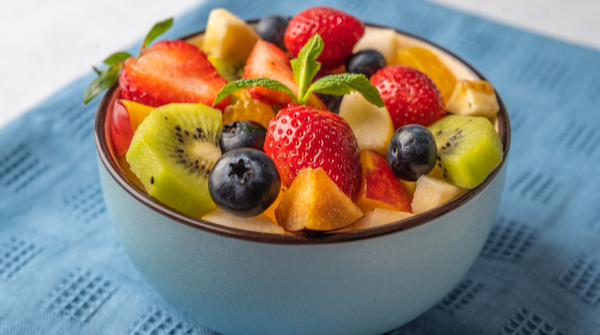
Several medical studies have shown correlations between low glycemic index fruits and vegetables and a reduced incidence of diabetes. Not only that, but low glycemic index fruits also improve diabetes management.
What is the glycemic index
The glycemic index (GI) refers to the incremental area under the blood glucose curve (AUC) after consuming 50 grams of digestible carbohydrates from a test food divided by the AUC after consuming a similar amount from a control food, generally glucose or white bread. In other words, it measures the ability of foods to raise blood sugar levels two hours after consuming carbohydrate-rich foods. A low glycemic index (<55) means that the carbohydrates in those foods are absorbed slowly, which can help the body manage post-meal changes better. Foods with a higher glycemic index (>70) raise blood sugar levels more quickly. After years of research, the glycemic index is now recognized as a reliable classification of foods based on their glycemic effect after meals. The glycemic index of foods that are primarily composed of fats and proteins has not been calculated, as these types of foods do not contain many carbohydrates and therefore do not affect blood sugar levels in the body.
Low glycemic index and diabetes management
In type 1 diabetes, the body does not produce insulin or cannot use it. People with type 2 diabetes have a lack of insulin or cannot use it properly. In both type 1 and type 2 diabetes, a diet high in carbohydrates may be detrimental to glycemic control, which can play a role in the development of coronary artery disease and other macrovascular and microvascular complications (such as diabetic neuropathy). Additionally, a low glycemic index diet may help prevent or manage type 2 diabetes in obese and overweight individuals. Examples of low glycemic index carbohydrate foods include legumes, starchy vegetables, grains, and most fruits. These types of foods are also referred to as functional foods due to their beneficial effects on the health and well-being of individuals.
Low glycemic index fruits for diabetics
Fruits are not only healthy because of the vitamins they contain but also due to their low glycemic index. Moreover, they can be easily incorporated into a healthy diet. Low glycemic index fruits for diabetics include pears, dried plums, peaches, oranges, apricots, dates, apples, strawberries, and many others. Let’s take a look at 10 such low GI fruits below:
Pears
GI: 25
Pears are not only delicious but also come with a low glycemic index. Although low in vitamin C, they are a reliable source of dietary fiber and potassium. There are different varieties of pears. Pears canned in reduced sugar syrup have the lowest GI score, but raw pears (GI: 33), dried pears (GI: 43), and pear halves canned in natural juice (GI: 43) are also good to eat.
Dried Plums
GI: 29
Dried plums are rich in dietary fiber and vitamin K. They offer several health benefits and are among the fruits with the lowest glycemic index. However, be cautious not to eat too many, as they are dried and contain more carbohydrates. Fresh plums are a good alternative, with a GI of 39.
Peaches
GI: 30
Peaches are an excellent choice for people with diabetes, both canned peaches in natural juice (GI: 30) and dried peaches (GI: 35). Although in small amounts, peaches contain a variety of vitamins.
Oranges
GI: 33
This popular citrus fruit is an excellent source of vitamin C and other nutrients. There are several varieties, such as blood oranges and navel oranges. Additionally, orange marmalade without added sugars has a low GI of 27.
Apricots
GI: 34
A medium apricot contains only 48 calories and is a moderate source of vitamins A and C. With a GI between 30 and 32, dried apricots are also a good choice.
Dates
GI: 31-50
This exotic fruit typical of the Middle East is a good source of several essential nutrients, such as potassium, magnesium, and vitamin B6. The wide variations in dates and how they are packaged cause the difference in glycemic index.
Apples
GI: 39
Apples have a low glycemic index and are a good source of dietary fiber. They provide only small amounts of essential nutrients but are easy to consume as a healthy snack.
Strawberries
GI: 40
Strawberries are packed with vitamin C and contain a significant amount of manganese and other dietary fiber. The dried version of strawberries has the same GI score.
Nectarines
GI: 43
As a relative of the peach, the nectarine is a good source of potassium and magnesium. 100 grams of nectarine contain only 36 calories.
Mandarins
GI: 47
Similar to oranges, mandarins are high in vitamin C. They are also rich in dietary fiber, vitamin A, and vitamins B1 and B6.




