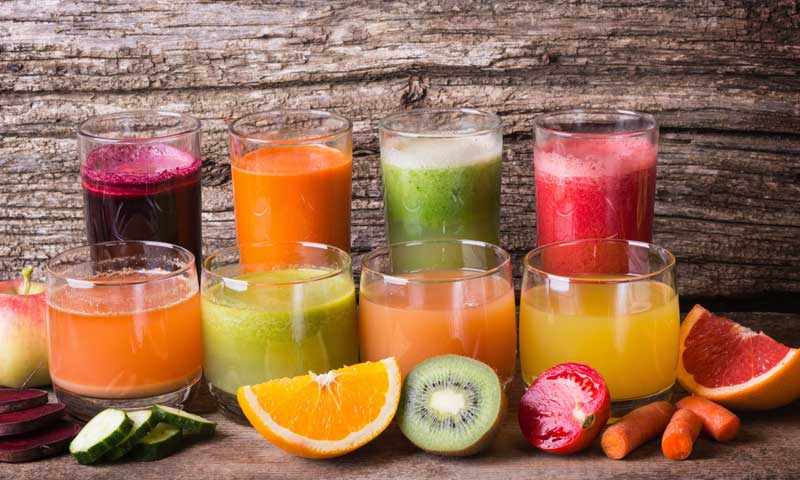
How do juices help your skin and overall health?
Fruits and vegetables are packed with vitamins, nutrients, and antioxidants that keep your body healthy. They boost immunity and help reduce the risk of cardiovascular diseases. When your body receives all the vital nutrients, it reflects on your skin.
However, it is always recommended to consume whole fruits and vegetables. According to experts, during the juicing process, fruits and vegetables lose dietary fiber, which is important for the body. While studies comparing the benefits of whole foods and juices are inconclusive, researchers recommend consuming whole fruits and vegetables over juices.
Considering the busy lifestyle of our days, if you cannot consume enough vegetables and fruits, drinking juices is the best way to stay healthy and make your skin glow.
Note: According to the Dietary Guidelines 2015-2020, the daily caloric intake for a person should be 2000. It should include 2 cups of fruits and 2.5 cups of vegetables. Unless your doctor recommends otherwise, you can consume 2 cups of fruits (whole or juices) and 2.5 cups of vegetables (whole or juices).
The USDA has a chart with daily fruit recommendations. According to the chart, the daily recommended dose for average adults is:
The same measurement applies to 100% fruit juices (1 cup of whole fruit = 1 cup of 100% fruit juice). The standard measurement of 1 cup is approximately 237 ml.
1. Carrot Juice
Carrots are considered one of the healthiest foods. They are a storehouse of carotenoids (beta-carotene, a form of vitamin A that is good for the skin), flavonoids, and antioxidants, and they also improve the immune response. They have wound healing abilities and help reduce inflammation and damage caused by harmful free radicals.
2. Tomato Juice
Tomatoes are rich in beta-carotene and lycopene, another bright red carotenoid found in red fruits and vegetables. Lycopene can protect your skin from damage caused by UV rays (also known as photo damage). It can protect the skin from sunburn, signs of photoaging, and pigmentation caused by UV exposure.
3. Lemon Juice
Citrus fruits, especially lemons, are rich in vitamin C (ascorbic acid). Vitamin C is essential for collagen synthesis. It is an important component of muscles, tissues, and skin. Moreover, vitamin C intake regenerates alpha-tocopherol (Vitamin E) in the body, which is another important antioxidant that helps maintain overall health and keeps the skin healthy and glowing.
4. Beetroot Juice
Consuming beetroot strengthens the body’s antioxidant defense and protects cells from oxidative damage. Betalains (red pigments found in beetroot) are anti-inflammatory agents. Studies on test tubes and animals have found that beetroot helps reduce blood pressure and manage cardiovascular issues.
5. Pomegranate Juice
Pomegranate has therapeutic and medicinal benefits. Pomegranate juice is a rich source of ascorbic acid (vitamin C), citric acid, and small amounts of various amino acids. It has been found that the juice, extracts, and oil of this fruit reduce UVB-induced damage and prevent photoaging.
6. Orange Juice
Orange juice, like any other citrus juice, is rich in vitamin C (ascorbic acid), a powerful antioxidant that keeps the skin healthy. It is rich in flavonoids that reduce inflammation and oxidative stress. It has been found that orange juice reduces the risk of cardiovascular diseases (due to its anti-inflammatory effects).
7. Cucumber Juice
Your body cells need hydration from within. Otherwise, your skin will appear dull and lifeless. Consuming cucumbers or cucumber juice is the best way to replenish the water levels in your body and keep your skin glowing. Cucumbers contain 95% water and are rich in beta-carotene, flavonoids, vitamin K, and lignans that provide vital nutrients to the body and improve cell function.
8. Apple Juice
An apple a day can increase your lifespan. Studies on animals have shown that apples have stress resistance properties. Apart from lifespan, it has been found that apples improve overall health, reduce damage caused by UV exposure, and enhance immune system functions.
9. Spinach Juice
Spinach, whether raw or cooked, is rich in antioxidants, vitamins, minerals, and dietary fiber. It also contains omega-3 fatty acids and other anti-inflammatory compounds that can help maintain overall health and skin health.
10. Grape Juice
Grapes contain polyphenols and flavonoids (mainly found in seeds and skins) that have anti-inflammatory and antioxidant effects. They can improve neurocognitive function and have been found to enhance memory decline in older adults. Antioxidants from grape seed extracts can bind to collagen and prevent premature aging.
11. Ginger Juice
Ginger contains gingerol and other antioxidants that can help prevent UVB-induced oxidative stress and reduce inflammation. This can help prevent inflammatory health issues and also maintain healthy skin.
12. Aloe Vera Juice
Topical application of aloe vera juice can help manage skin issues (such as psoriasis and dermatitis) and aid in wound healing. Drinking aloe vera juice can help reduce inflammation and may have beneficial effects on diabetes and ulcers. You can try drinking and applying aloe vera juice or pulp to enjoy its benefits.
13. Cabbage Juice
Cabbage is rich in vitamins, carotenoids (beta-carotene), and polyphenols. A study found that cabbage intake improved collagen content and skin elasticity. It also reduces oxidative stress, which in turn prevents premature aging of the skin.
14. Parsley Juice
Parsley contains proteins, vitamins A, B12, C, E, and K, carotenoids, and essential fatty acids. These nutrients keep your skin healthy and contribute to overall health maintenance.
15. Grapefruit Juice
Grapefruit contains high levels of vitamin C, dietary fiber, potassium, magnesium, and carotenoids, especially beta-carotene, along with several other phytonutrients. They are extremely beneficial for reducing inflammation, lowering triglyceride levels, and keeping the skin healthy.
Points to Remember When Drinking Juices for Glowing Skin
Do not start your day with juices. Fruit juices contain fructose, which can overload the liver if consumed on an empty stomach. The best time to drink juices is either during breakfast or at any time between breakfast and lunch.
Avoid adding sugar or artificial sweeteners to juice. If you want a touch of sweetness, you can add a spoonful of raw honey.
Always consume the juice immediately after preparing it. Juice begins to oxidize immediately after coming into contact with oxygen in the air. Use a slow juicer to make juices, as it will slow down the oxidation process.
Try not to strain the juice. This ensures that you do not lose essential fibers.
Avoid buying packaged or preserved juices. They contain added sugars and are not as beneficial as freshly made juice.




