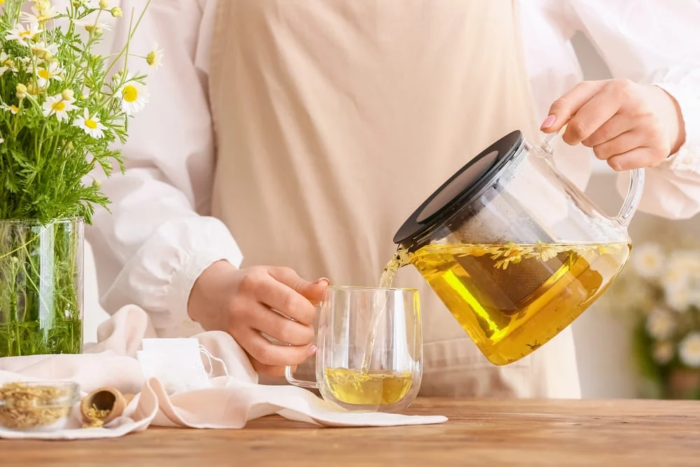
Expectoration is the process by which mucus and secretions from the respiratory tract are expelled, helping to clear the lungs and alleviate respiratory symptoms. Certain herbal teas have natural expectorant properties, providing valuable support in treating productive coughs, colds, and respiratory infections. Here is a list of the most effective teas for expectoration, how to prepare them, and how to consume them.
1. Thyme Tea
How it helps:
Thyme has antiseptic, antibacterial, and expectorant properties, making it excellent for eliminating mucus. It also reduces inflammation in the respiratory tract.
Preparation:
Boil 250 ml of water.
Add 1 tablespoon of dried or fresh thyme.
Cover and let steep for 10 minutes.
Strain and sweeten with honey if desired.
Dosage:
Consume 2-3 cups per day, preferably after meals.
2. Plantain Tea
How it helps:
Plantain is known for its soothing and expectorant effects, calming throat irritations and promoting the expulsion of secretions.
Preparation:
Boil 300 ml of water.
Add 1-2 tablespoons of dried plantain leaves.
Steep for 10 minutes, then strain.
Dosage:
Drink 2-3 cups per day, depending on the severity of symptoms.
3. Licorice Root Tea
How it helps:
Licorice root has anti-inflammatory and expectorant properties, helping to thin mucus and alleviate cough.
Preparation:
Boil 500 ml of water.
Add 1 tablespoon of crushed licorice root.
Let it boil for 5-7 minutes, then strain.
Dosage:
Drink one cup twice a day. Avoid excessive consumption, as it may affect blood pressure.
4. Ginger Tea
How it helps:
Ginger has anti-inflammatory and antiviral properties, being effective in stimulating expectoration and soothing the respiratory tract.
Preparation:
Grate 1-2 cm of fresh ginger root.
Boil 300 ml of water and add the ginger.
Let it steep for 10 minutes, then strain.
Dosage:
Drink 2 cups per day, possibly with honey and lemon for enhanced effect.
5. Linden Tea
How it helps:
Linden has a calming and expectorant effect, making it ideal for soothing productive coughs and relaxing the respiratory tract.
Preparation:
Boil 250 ml of water.
Add 1 tablespoon of dried linden flowers.
Let it steep for 5-7 minutes, then strain.
Dosage:
Consume 2-3 cups per day, especially in the evening for a relaxing effect.
6. Sage Tea
How it helps:
Sage is a natural decongestant, helping to eliminate mucus and reduce inflammation in the throat and lungs.
Preparation:
Add 1 tablespoon of dried sage to 250 ml of hot water.
Steep for 10 minutes.
Strain and serve.
Dosage:
Drink 1-2 cups per day. You can also use the tea for gargling.
7. Fennel Tea
How it helps:
Fennel seeds have expectorant and anti-inflammatory effects, promoting the expulsion of secretions and soothing cough.
Preparation:
Boil 300 ml of water.
Add 1 tablespoon of crushed fennel seeds.
Let it steep for 10 minutes, then strain.
Dosage:
Consume 2 cups per day. It is especially useful after meals.
General Tips for Using Expectorant Teas:
1. Hydration: Drink enough water throughout the day to thin mucus.
2. Adding Honey: Honey has a soothing effect and enhances the benefits of teas.
3. Moderation: Do not consume these teas excessively, as high doses may have adverse effects.
4. Medical Consultation: If symptoms persist for more than 7 days, consult a doctor.
These teas are a natural and effective way to alleviate respiratory symptoms and support the body’s recovery during periods of cold or cough.




