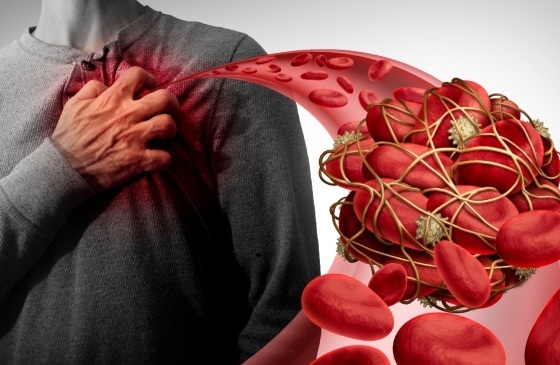
Garlic, ginger, turmeric, and Ginkgo biloba are natural anticoagulants that can provide valuable support for cardiovascular health. They help prevent blood clots and improve circulation, but their use should be responsible.
Consult with a specialist before integrating them into your diet and ensure that they are compatible with your lifestyle and current medical treatments.
What Are Natural Anticoagulants?
Natural anticoagulants are substances that prevent the formation of blood clots through two main mechanisms:
- Anticoagulants: Prevent coagulation by inhibiting the proteins responsible for this process.
- Antiplatelet agents: Prevent the sticking of blood platelets, which play a crucial role in clot formation.
Unlike prescribed medications, they do not dissolve existing clots but can prevent the formation of new ones. These alternatives are often more accessible and safer, but caution is needed in their use.
Natural Anticoagulants: Foods and Beverages
Many common ingredients have scientifically proven anticoagulant properties. Here are some of the most effective:
1. Garlic
Garlic (Allium sativum) is known for its beneficial effects on cardiovascular health. Studies show that the bioactive substances in garlic, such as allicin and ajoene, have antiplatelet and anticoagulant properties. A study published in Journal of Agricultural and Food Chemistry demonstrated that ajoene reduces platelet aggregation by up to 60%.
2. Ginger
Rich in gingerol and shogaol, this root is used in traditional medicine to prevent inflammation and clot formation. Research published in International Journal of Preventive Medicine showed that ginger can inhibit platelet formation in the blood, but its effects are moderate compared to pharmaceutical drugs.
3. Turmeric
The active ingredient curcumin in turmeric (Curcuma longa) is a powerful anti-inflammatory and antioxidant. Studies published in Journal of Thrombosis and Haemostasis have shown that curcumin inhibits clot formation by reducing inflammation and suppressing platelet activity.
4. Cinnamon
Cinnamon (Cinnamomum zeylanicum) contains coumarin, a natural compound with anticoagulant properties. According to research from Pharmacological Research, moderate consumption of cinnamon may help reduce the risk of clot formation, but excessive consumption can cause bleeding.
5. Cayenne Pepper
This spice is rich in salicylates, substances that reduce the risk of clot formation. Research shows that the salicylates in cayenne pepper act similarly to aspirin, preventing platelet aggregation.
Natural Anticoagulants: Herbs and Supplements
In addition to foods, certain herbs and supplements are recognized for their ability to prevent clots:
1. Ginkgo Biloba
Ginkgo biloba is one of the most studied plants for circulatory health. It contains flavonoids and ginkgolides, which have antiplatelet effects. Studies published in American Journal of Cardiology have demonstrated that Ginkgo biloba can reduce the risk of stroke by improving blood circulation.
2. Fish Oil
Rich in omega-3 fatty acids, fish oil supplements have been associated with a reduced risk of clot formation. A study published in Circulation showed that consuming 2-4 grams of omega-3 per day can prevent platelet aggregation.
3. Grape Seed Extract
Contains polyphenols and flavonoids that support vascular health. According to Journal of Medicinal Food, grape seed extract can prevent clot formation by reducing oxidative stress.
4. Aloe Vera
The Aloe vera plant contains salicylates, compounds with antiplatelet properties. Laboratory and animal studies have shown positive effects on blood coagulation, but further large-scale research is needed to confirm these results.
5. Melatonin
Melatonin, known primarily for its beneficial effects on sleep, also has anticoagulant and anti-inflammatory properties. According to some studies, it may help individuals with heart conditions by reducing inflammation and the risk of clot formation. However, the exact dosage needed for these benefits remains to be determined.
6. N-Acetylcysteine (NAC)
N-Acetylcysteine (NAC), a supplement derived from the amino acid cysteine, has been shown to be effective in reducing blood clot formation in animal studies. While it has been found that its effect increases with dosage, research has not yet established a safe dosage for humans.
7. Vitamin E
A powerful antioxidant, vitamin E inhibits the action of vitamin K, thereby reducing clot formation. Research suggests that vitamin E supplements may be effective in preventing cardiovascular problems.
Precautions and Contraindications
While these natural solutions have benefits, they are not suitable for everyone. It is essential to consult a doctor before including them in your daily routine, especially if:
- You are taking pharmaceutical anticoagulants such as warfarin.
- You have bleeding disorders or a history of strokes.
- You are undergoing other treatments that may interact with these supplements.
Possible Side Effects:
- Excessive bleeding.
- Allergic reactions.
- Interactions with other medications.




