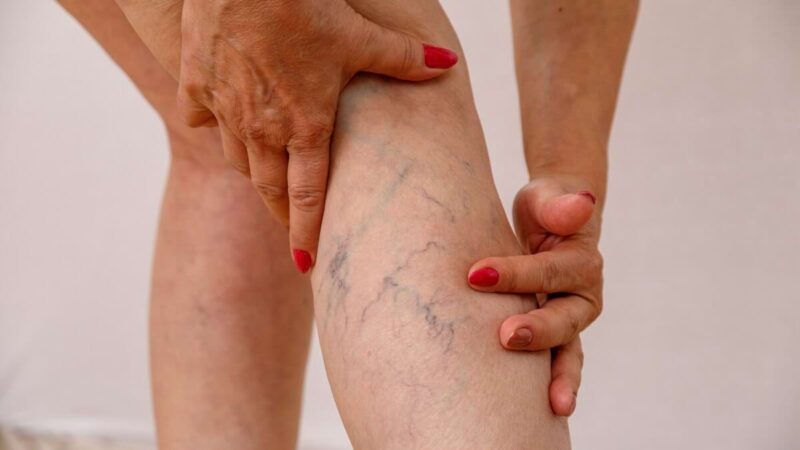
What are varicose veins?
Varicose veins are enlarged, twisted, and prominent veins that most commonly appear on the legs and ankles, just beneath the skin. They form when venous blood circulation becomes impaired, and the valves inside the veins responsible for directing blood back to the heart do not function properly. In the absence of this valve mechanism, blood stagnates and exerts pressure on the vein walls, leading to their excessive dilation.
In addition to their unsightly appearance, varicose veins can signal a chronic venous insufficiency, a condition that requires attention, especially if accompanied by pain, swelling, a feeling of heaviness, or changes in skin color.
Common Causes
Genetic predisposition
Prolonged standing or sitting
Pregnancy
Sedentary lifestyle
Obesity
Hormonal imbalances (e.g., contraceptives)
Aging
Symptoms
- Heavy, tired legs
- Swelling around the ankles
- Muscle cramps
- Pain or burning sensation along the veins
- Visible blue or purple veins that are dilated
Recommended Natural Remedies
1. Horse Chestnut Tincture recommended by Maria Treben
The horse chestnut is considered the most effective natural remedy for varicose veins due to its content of aescin, which strengthens the vein walls and reduces inflammation.
Recipe (according to Maria Treben):
- 10 crushed horse chestnuts
- 500 ml of 40% alcohol (vodka, brandy)
Let it macerate for 14 days, shaking daily. Strain and store in a cool place.
Usage:
Gently massage the legs from bottom to top, twice a day.
It can also be taken internally: 10 drops in water, twice a day (be cautious of contraindications!).
2. St. John’s Wort and Greater Celandine Oil recommended by therapist Elena Popa
St. John’s Wort has anti-inflammatory and regenerative effects, while greater celandine alleviates pain.
Recipe:
- 2 tablespoons of St. John’s Wort flowers
- 1 tablespoon of dried greater celandine
- 200 ml of cold-pressed olive oil
Let it macerate for 10-14 days in the sun, then strain.
Application:
Gently massage the affected areas, preferably in the evening, for 3 weeks.
3. Compresses with Cabbage Leaves and Greater Celandine
These plants reduce inflammation and alleviate pain, being used in traditional German and Romanian phytotherapy.
Recipe:
- Crushed cabbage leaves
- Paste of greater celandine root (or powder mixed with a little oil)
Apply to the affected area, cover with gauze, and keep for 2-3 hours or overnight.
4. Internal Tea for Circulation and Lymphatic Drainage
Recommended Plants:
- Red vine leaves
- Wild blackberries
- Horsetail
- Birch leaves
Preparation Method:
1 tablespoon of the mixture in 250 ml of boiling water, infuse for 10-15 minutes.
Drink 2-3 cups a day, in courses of 4 weeks.
5. Foot Bath with Salt, Wormwood, and Mint for Relaxation and Toning
Recipe:
- 2 tablespoons of wormwood
- 2 tablespoons of mint
- 1 tablespoon of coarse salt
Boil the plants for 5 minutes in 2 liters of water, pour into a basin, and add warm water.
Soak your feet for 15 minutes in the water in the evening. It tones the veins and relaxes.
Important Tips for Varicose Veins
Walk daily for at least 30 minutes
Sleep with your legs slightly elevated
Avoid tight clothing and footwear
Alternate hot and cold baths
Avoid standing still or crossing your legs
Contraindications and Precautions
Avoid self-medication in severe cases of varicose veins (ulcerated varicose veins, thrombophlebitis).
Horse chestnut tincture should not be taken internally during pregnancy, with gastric ulcers, or severe liver conditions.
Individuals with plant allergies should perform a local test before applying oils or compresses.
Sources:
- Phytomedicine Journal – Aescin in the treatment of chronic venous insufficiency
- Journal of Herbal Pharmacotherapy – Herbal formulations for venous health: clinical and preclinical evidence
- Fitoterapia – Traditional topical treatments for leg vein disorders
- Maria Treben – Health from the Pharmacy of the Lord




