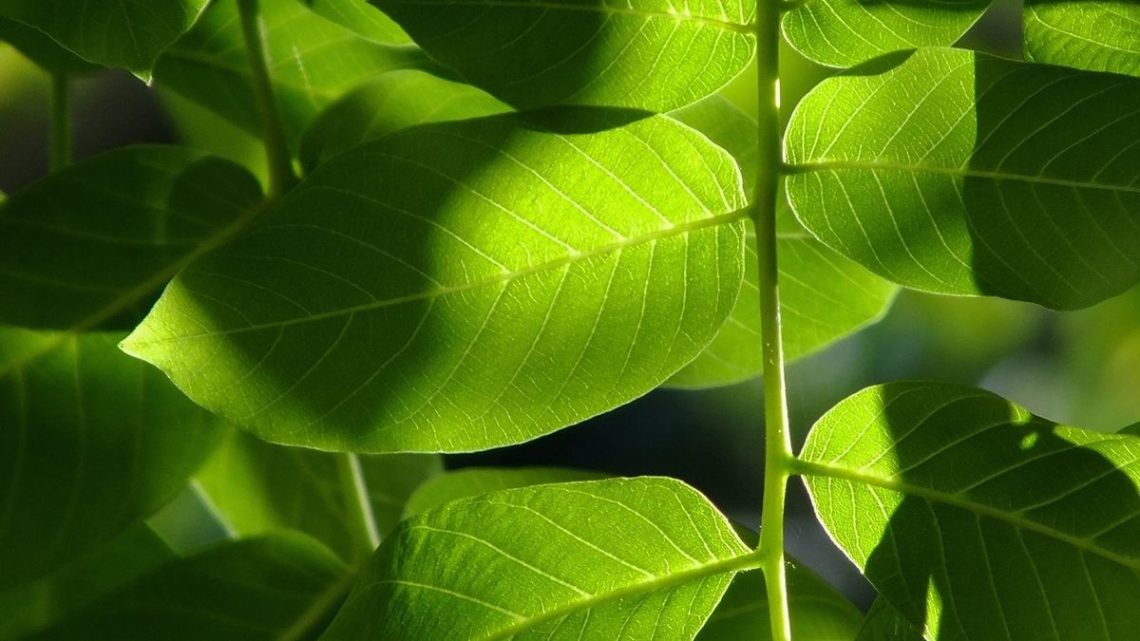
Walnut leaves (Juglans regia) are a true elixir for the skin, known for their antimicrobial, antifungal, and healing effects. Used for generations in folk medicine, these leaves can be prepared as compresses, serving as an effective remedy for skin infections, eczema, inflammatory acne, or wounds that heal slowly. Here’s how to prepare and apply them correctly.
What Do Walnut Leaves Contain?
Freshly picked green leaves are rich in:
- Juglone – a natural antibacterial compound with antifungal and antiviral effects.
- Tannins – with astringent properties that help dry lesions and reduce inflammation.
- Flavonoids and phenolic acids – with antioxidant and anti-inflammatory actions.
- Volatile oils – which contribute to the soothing and antiseptic effect.
Recipe for Walnut Leaf Compresses
Ingredients:
- 2 tablespoons of dried walnut leaves (or a handful of fresh leaves, finely chopped)
- 250 ml of water (preferably distilled or spring water)
Preparation Method:
- Boil the water.
- Add the leaves and let them steep for 15-20 minutes, covered.
- Strain and let cool to a temperature that is bearable for the skin (warm).
How to Apply the Compresses
- Soak a sterile compress or a piece of clean gauze in the walnut leaf infusion.
- Apply directly to the affected area (wounds, skin infections, mycoses, superficial wounds).
- Leave on for 20-30 minutes.
- Repeat 2-3 times a day until symptoms improve (generally 5-7 days).
For localized lesions, it can also be used as local baths or poultices with the infusion.
When Do Walnut Leaf Compresses Help?
- Mild bacterial infections (impetigo, folliculitis)
- Weeping, suppurating eczema
- Inflamed wounds, infectious acne
- Small wounds that do not heal easily
- Mycoses (athlete’s foot, skin fungi)
Contraindications and Precautions
- Allergies: It is recommended to test on a small area of skin before application.
- Deep or severely infected wounds: Consult a doctor before use.
- Children under 3 years: Avoid use without medical advice.
- Sensitive skin: May cause irritation in some individuals; dilute the infusion more.
Sources:
- Journal of Ethnopharmacology: Antimicrobial activity of Juglans regia leaves extract against skin pathogens
- Phytotherapy Research: The traditional use of walnut leaves in dermatology
- Planta Medica: Juglone and the antimicrobial potential of walnut leaf extracts




