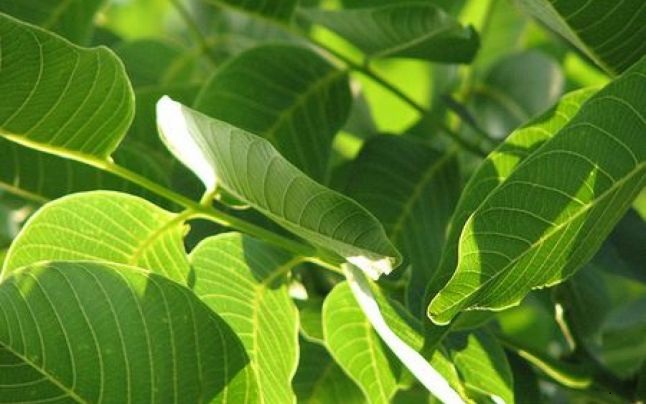
Walnut leaves (Juglans regia) have been used for centuries in folk medicine for their astringent, antimicrobial, and healing properties. However, few know that these leaves can become toxic if used improperly or under certain conditions. Here’s when walnut leaves become dangerous to health, how to use them safely, what important benefits they offer, and what studies say about their active compounds.
When Walnut Leaves Become Toxic
Walnut leaves contain an active substance called juglone, a natural compound with antifungal and bactericidal effects, but which can become irritating or toxic in large quantities. Toxicity does not necessarily occur through oral consumption, but especially through prolonged external applications or excessive ingestion.
- Old leaves, harvested too late (after the end of July), may contain increased amounts of oxidized juglone, which can irritate the skin or cause allergic reactions.
- Fermented leaves or those stored in humid environments can develop secondary toxic compounds.
- Concentrated teas (more than 1 tablespoon of leaves per 250 ml of water) can affect the gastric mucosa and intestinal flora.
- Applied daily to the skin for several weeks, walnut leaves can excessively dry the skin and cause contact dermatitis.
Therefore, it is essential to use properly dried leaves from safe sources, to avoid overdosing, and to use them for limited periods with breaks.
How to Use Them Safely
Harvest walnut leaves in June and July, when the concentration of active compounds is optimal.
Dry them in the shade, in a thin layer, in a well-ventilated area, away from direct sunlight.
Store the leaves in paper bags or glass jars, protected from moisture.
Use 1 tablespoon per 250 ml of water for teas—no more!
Avoid internal use for more than 2 consecutive weeks.
For external use, take breaks after 7 consecutive days of treatment.
Detailed Benefits of Walnut Leaves
1. Natural Antibacterial and Antifungal
Walnut leaves are recognized for their strong effect against bacteria and fungi. This effect is mainly due to juglone and tannins. In vitro studies have shown that walnut leaf extracts inhibit the growth of bacteria such as Staphylococcus aureus, Escherichia coli, and Pseudomonas aeruginosa. These properties make them useful in treating minor skin infections, acne, and eczema. They are also effective against athlete’s foot and local candidiasis.
2. Healing and Astringent
Due to their high tannin content, walnut leaves help contract tissues and promote the healing of superficial wounds. They are used in the form of compresses or local baths for wounds, cuts, insect bites, and to soothe irritations in the genital area. The astringent action reduces excessive secretions and inflammation. When applied correctly, they promote tissue recovery without leaving visible scars. They can also be used for conditions such as hemorrhoids, through sitz baths.
3. Blood Purification and Liver Support
In natural medicine, walnut leaves are considered a remedy for blood cleansing and liver detoxification. They stimulate bile secretion and help eliminate toxins. Herbalists recommend walnut leaf tea in 10-14 day courses to support liver function. They are also useful for reducing cholesterol, often associated with other hepatoprotective plants. This action is based on the presence of flavonoids and phenolic acids.
Scientific Studies and Research
A study published in Journal of Ethnopharmacology (2010) analyzed the chemical composition and biological effects of walnut leaf extract. It was shown that they have significant antibacterial activity against both gram-positive and gram-negative strains. Additionally, a significant reduction in inflammation was observed in animals treated with walnut extract compared to the control group. The effects were attributed to the synergy between juglone, gallic acid, and flavonoids.
In another study published in Phytotherapy Research (2015), researchers confirmed the antifungal activity of the extract against Candida albicans and other strains of skin fungi. Clear inhibition of fungal growth was observed at low concentrations, supporting the traditional use of the leaves in treating skin mycotic infections.
In 2021, a study conducted at Ankara University investigated the hepatoprotective effects of walnut leaves in rats exposed to liver toxins. The leaves reduced markers of oxidative stress, improved liver enzyme activity, and demonstrated significant antioxidant effects. The results suggest that walnut leaves may be a complementary option in mild liver conditions.
Another aspect studied was the skin regeneration capacity. Research published in BMC Complementary Medicine and Therapies (2022) showed that local application of walnut leaf extract accelerated the healing process in wounds induced artificially.
All these studies support the use of walnut leaves in complementary medicine, but with caution regarding dosage and treatment duration.
Recipes with Walnut Leaves
1. Internal Tea for Detoxification (Liver, Skin, Blood)
- 1 tablespoon of dried walnut leaves
- 250 ml boiling water
- Infuse for 10 minutes, strain
- Drink 1 cup/day, maximum for 14 consecutive days
2. Infusion for Local Baths (Hemorrhoids, Mycoses, Wounds)
- 4 tablespoons of leaves in 1 liter of water
- Boil for 5 minutes, let cool for 10 minutes
- Strain and use the liquid for local washes or sitz baths
3. Compresses for Eczema and Acne
- Prepare a concentrated infusion (2 tablespoons of leaves in 250 ml of water)
- Soak sterile compresses and apply for 10-15 minutes on the affected area
- Repeat 2 times/day, maximum for 7 days
Contraindications and Precautions
- Pregnant women and those who are breastfeeding should avoid internal use of walnut leaves.
- People with gastritis, ulcers, or irritable bowel syndrome may experience adverse reactions.
- Leaves can cause skin allergic reactions in individuals sensitive to juglone.
- Do not use in conjunction with anticoagulant or hepatotoxic treatments without medical advice.
- Prolonged use (over 2 weeks) internally or externally can lead to excessive skin dryness and disruption of intestinal flora.
Sources:
- Journal of Ethnopharmacology – Antimicrobial and anti-inflammatory properties of Juglans regia leaf extracts
- Phytotherapy Research – Antifungal effect of walnut (Juglans regia) leaf extract
- BMC Complementary Medicine and Therapies – Wound healing potential of Juglans regia leaves in mice
- University of Ankara – Hepatoprotective activity of Juglans regia in vivo experimental model




