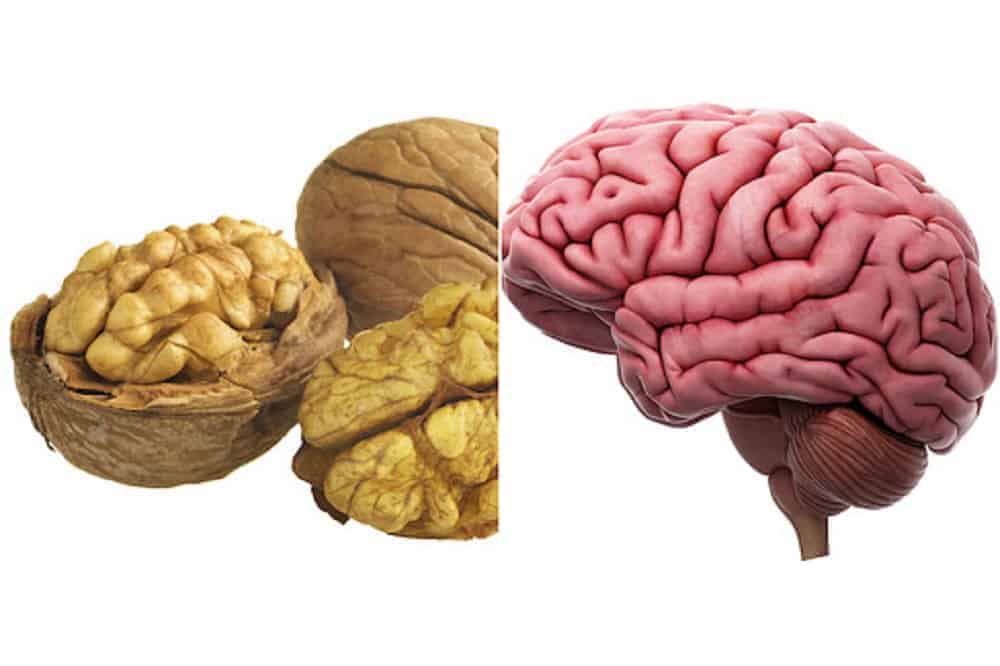
Walnuts are rich in nutrients and have numerous benefits for the brain. Here are some of them:
1. Omega-3 Fatty Acids:
Walnuts contain omega-3 fatty acids, such as alpha-linolenic acid (ALA). These fatty acids are essential for brain health and have been associated with improved cognitive functions and reduced risk of cognitive decline associated with aging.
2. Antioxidants:
Walnuts are an important source of antioxidants like vitamin E and polyphenols. These antioxidants help protect the brain against oxidative stress and damage caused by free radicals, which can contribute to the prevention of neurological disorders such as Alzheimer’s disease and Parkinson’s disease.
3. Vitamins and Minerals:
Walnuts contain essential vitamins and minerals for brain health, such as vitamin E, vitamin B6, magnesium, and zinc. These nutrients are involved in metabolic processes and the normal functioning of the brain.
4. Proteins and Amino Acids:
Walnuts are a good source of protein and contain essential amino acids necessary for neurotransmitter synthesis and normal brain function.
5. Reducing Inflammation:
Regular consumption of walnuts may help reduce chronic inflammation, which can negatively affect brain health. Chronic inflammation can contribute to the onset of neurological disorders such as Alzheimer’s disease and depression.
6. Omega-3 Fatty Acids:
Walnuts are a good source of omega-3 fatty acids, especially alpha-linolenic acid (ALA). These fatty acids are essential for the development and normal functioning of the brain. Research has shown that omega-3 fatty acids can enhance memory and cognitive functions.
7. Antioxidants:
Walnuts are rich in antioxidants, such as vitamin E and polyphenols. These antioxidants help protect the brain against oxidative stress and cellular damage caused by free radicals. By preventing cellular damage, antioxidants can improve memory and cognitive functions.
8. Vitamins and Minerals:
Walnuts contain essential vitamins and minerals for brain health, such as vitamin E, vitamin B6, magnesium, and zinc. These nutrients play an important role in the metabolic processes of the brain and neuronal communication, thus contributing to the normal functioning of memory.
9. Proteins and Amino Acids:
Walnuts are a source of protein and contain essential amino acids. Proteins and amino acids are necessary for neurotransmitter synthesis, chemical substances involved in transmitting signals between nerve cells, supporting learning processes.
10. Cerebral Blood Flow:
Walnuts contain substances that can support the health of blood vessels and cerebral blood flow. Good blood circulation in the brain is essential to ensure the supply of oxygen and nutrients necessary for optimal memory.
It is important to mention that the benefits of walnuts for memory are part of a healthy and balanced lifestyle, which includes a proper diet, regular physical activity, adequate rest, and maintaining a low stress level.
There is no exact amount of walnuts recommended for daily consumption, as this can vary depending on individual needs and overall diet. However, a moderate portion of walnuts, consumed regularly, can be beneficial for brain health in general.
A typical serving of walnuts is about 28-30 grams, or approximately one ounce.
Although walnuts are rich in beneficial nutrients, they are also calorie-dense and high in fats. Therefore, it is important to consume them in moderation, especially if you are following a calorie-restricted diet or wish to manage your weight.




