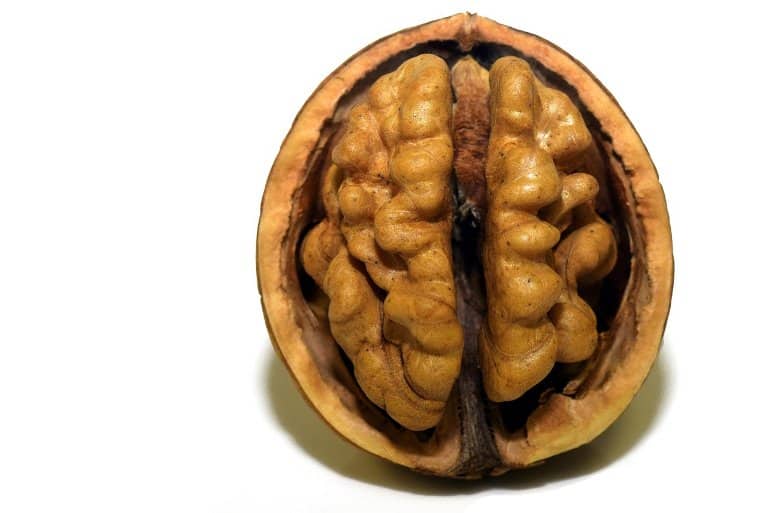
Encased in a hard shell, walnuts hide one of nature’s most valuable gifts for brain health. It is no coincidence that their shape resembles the cerebral hemispheres; this resemblance goes beyond aesthetics, as the substances they contain directly support cognitive functions, memory, and concentration. And the benefits do not stop there.
What Nutritional Composition Do Walnuts Contain?
Walnuts (Juglans regia) are a natural source of:
-
Omega-3 and Omega-6 fatty acids (alpha-linolenic acid – ALA)
-
Powerful antioxidants (polyphenols, vitamin E, melatonin)
-
Plant proteins (approximately 15 g/100 g)
-
Essential minerals (magnesium, zinc, phosphorus, iron, potassium)
-
B-complex vitamins (B1, B6, folate)
-
Dietary fiber
-
Phytosterols and anti-inflammatory compounds
Benefits for the Brain: Natural Support for Memory and Concentration
1. Improvement of Memory and Learning Ability
Regular walnut consumption has been associated with improved cognitive performance, especially among older adults. According to a study published in The Journal of Nutrition, Health & Aging, participants who consumed walnuts scored better on memory and logical reasoning tests.
2. Protection Against Cognitive Decline
Walnuts reduce oxidative stress in the brain and combat inflammation, two factors involved in neurodegenerative diseases such as Alzheimer’s and Parkinson’s. A 2020 study in Nutrients demonstrated that a walnut-rich diet had neuroprotective effects and improved synaptic plasticity.
3. Support for Neuronal Health
ALA fatty acids and vitamin E contribute to the formation and maintenance of the myelin sheath, essential for the correct transmission of nerve impulses. Zinc, magnesium, and vitamins B6 and B9 are directly involved in the formation of neurotransmitters.
4. Reduction of Stress and Anxiety
Walnuts contain tryptophan, a precursor to serotonin—the hormone of well-being. Magnesium supports neurochemical balance, helping to combat insomnia and anxiety disorders.
Other Remarkable Benefits of Walnuts
-
Lowers bad cholesterol and protects the heart due to its Omega-3 and phytosterol content
-
Regulates blood sugar making it useful in the diet of people with type 2 diabetes
-
Improves male fertility by increasing sperm motility and quality
-
Combats chronic inflammation through phenolic compounds and vitamin E
-
Strengthens the immune system through the intake of zinc, selenium, and antioxidants
-
Aids digestion due to its fiber content and prebiotic effect
How to Consume Walnuts
-
Raw, about 45 pieces per day preferably in the morning or between meals
-
Mixed in salads, yogurts, smoothies
-
In walnut flour (for healthy desserts)
-
In the form of plant milk (walnut milk made at home)
Avoid walnuts fried in oil or salted; they lose a large part of their properties.
Contraindications and Precautions
-
Allergies Walnuts can cause severe reactions (anaphylaxis) in allergic individuals
-
High in calories Not recommended in large quantities in low-calorie diets
-
Drug interactions Potential to influence anticoagulant medication
-
Sensitive digestion May cause bloating in case of excessive consumption
Studies and Scientific Sources
-
Nuts and Cognitive Function in Older Adults The Journal of Nutrition, Health & Aging, 2014
-
Effects of Walnut Consumption on Cognitive Function in Young Adults Nutrients, 2020
-
Walnuts and Healthy Aging: An Overview Current Opinion in Clinical Nutrition and Metabolic Care, 2018
-
Polyphenols in Nuts: A Review of Their Effects on Brain Health Oxidative Medicine and Cellular Longevity, 2019




