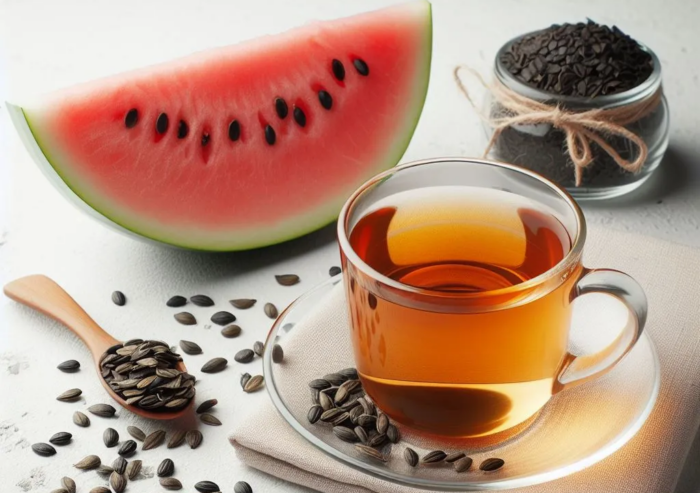
Watermelon is appreciated in summer for its refreshing taste, but few know that its seeds hide an ancient remedy used for detoxifying the kidneys and eliminating excess water from the body. The seeds are rich in nutrients, essential fatty acids, fiber, and antioxidants that contribute to the healing of the urinary tract. Although often discarded, watermelon seeds are a hidden elixir within the fruit, with proven therapeutic potential.
Benefits of Watermelon Seed Tea
1. Supports Kidney Function
Watermelon seed tea stimulates the elimination of toxins by increasing urine production. This effect helps to cleanse the kidneys and may prevent the formation of small stones. Some traditional sources mention the use of this tea for washing the kidneys in cases of sand or urinary stones. It has been observed that the infusion can contribute to reducing renal inflammation in the early stages. Additionally, the magnesium content in the seeds may have positive effects on renal electrolyte balance.
2. Combats Water Retention
The seeds have a natural diuretic effect, promoting the elimination of fluids accumulated in tissues. This helps reduce edema and swelling, especially in the legs. By stimulating urinary function, the tea helps restore a healthy fluid balance. It also reduces pressure on the lymphatic system, improving circulation. It is often recommended in detoxification regimens or in cases of mild venous insufficiency.
3. Regulates Blood Pressure
Through its diuretic effect, the tea can reduce the volume of circulating blood, contributing to lower blood pressure. Additionally, the seeds contain arginine, an amino acid involved in relaxing blood vessels. This vasodilatory effect can support more efficient circulation and stable blood pressure. The tea is especially useful in hypertension associated with water retention. Regular but moderate use can help maintain blood pressure within normal limits.
4. Supports the Elimination of Uric Acid
The tea is known for its ability to stimulate diuresis, which helps eliminate excess uric acid. This effect is important in preventing gout or arthritis attacks induced by hyperuricemia. By promoting excretion through urine, the seeds can help dissolve crystallized forms of uric acid. In traditional medicine, the tea was recommended for men over 40 as a preventive measure. It is a natural alternative to some mild diuretic medications.
5. Helps Cleanse the Urinary Tract
The seeds contain antibacterial compounds that can prevent or combat mild urinary infections. By stimulating frequent urination, it helps eliminate bacteria and sediments from the bladder. It is used as an adjunct in cystitis, especially if there is no fever or complications. It can be combined with other urinary antiseptic plants, such as horsetail. The tea is gentle and suitable for supportive regimens after antibiotic treatment.
6. General Detoxification
By stimulating diuresis, the tea contributes to the elimination of metabolic waste from the blood. This helps the liver and kidneys function more efficiently. Some people use it in seasonal detoxification regimens to reduce the toxic burden on the body. Watermelon seed tea may have positive effects on the skin and digestion as a result of detoxification. It is recommended to combine it with a light diet rich in vegetables.
7. Source of Magnesium and Potassium
The seeds contain essential minerals that support the health of the nervous system and heart. Potassium helps regulate heart rhythm and prevent muscle spasms. Magnesium is involved in over 300 enzymatic reactions in the body. These minerals are especially useful for active individuals or those who sweat profusely in summer. The tea provides a subtle supply of natural electrolytes.
8. May Improve Digestion
The seeds have soluble and insoluble fiber content, which can support digestion and intestinal transit. With consistent consumption, they can reduce bloating and constipation. Some people notice a regulation of appetite and a reduction in sweet cravings. This effect is also due to the zinc and magnesium content, which support metabolism. It is a useful collateral benefit in weight loss regimens.
Study
A study published in Journal of Herbal Medicine in 2021 evaluated the effects of watermelon seed extract on kidney function and blood pressure in patients with mild hypertension. Participants consumed a daily infusion of dried seeds for 4 weeks. The results showed a significant increase in urine volume, indicating a clear diuretic effect. Additionally, systolic blood pressure decreased on average by 8 mmHg, without significant adverse reactions. Renal function markers (creatinine, urea) remained within normal parameters, demonstrating the safety of use. A slight decrease in blood uric acid levels was also observed. The authors concluded that watermelon seeds have therapeutic potential in the natural management of water retention and hypertension. The study noted the beneficial effects of arginine and the minerals contained in the seeds. The antioxidant potential of the infusion was also highlighted, with positive effects on renal oxidative stress. The results suggest that a regimen with watermelon seed tea could naturally support cardiovascular health.
Contraindications
- Individuals with severe renal insufficiency should not consume this tea without medical advice.
- Not recommended in hypotension (low blood pressure) due to the diuretic and hypotensive effect.
- The tea should be avoided by pregnant women, especially in the 2nd and 3rd trimesters.
- Not indicated for children under 12 years old.
- May interact with diuretics or antihypertensives, potentiating their effects.
Watermelon Seed Tea Recipe
Ingredients:
- 2 tablespoons of dried and crushed watermelon seeds
- 500 ml water
Preparation Method:
- Crush the seeds in a mortar or blender, without turning them completely into powder.
- Boil the water, then add the crushed seeds.
- Let it steep for 15-20 minutes, covered.
- Strain and consume warm, in the morning or at lunch.
- The regimen lasts for 3-5 days, with a 2-day break, then it can be resumed for a week.
Sources:
- Journal of Herbal Medicine The diuretic and antihypertensive effects of watermelon seed tea in adults with mild hypertension




