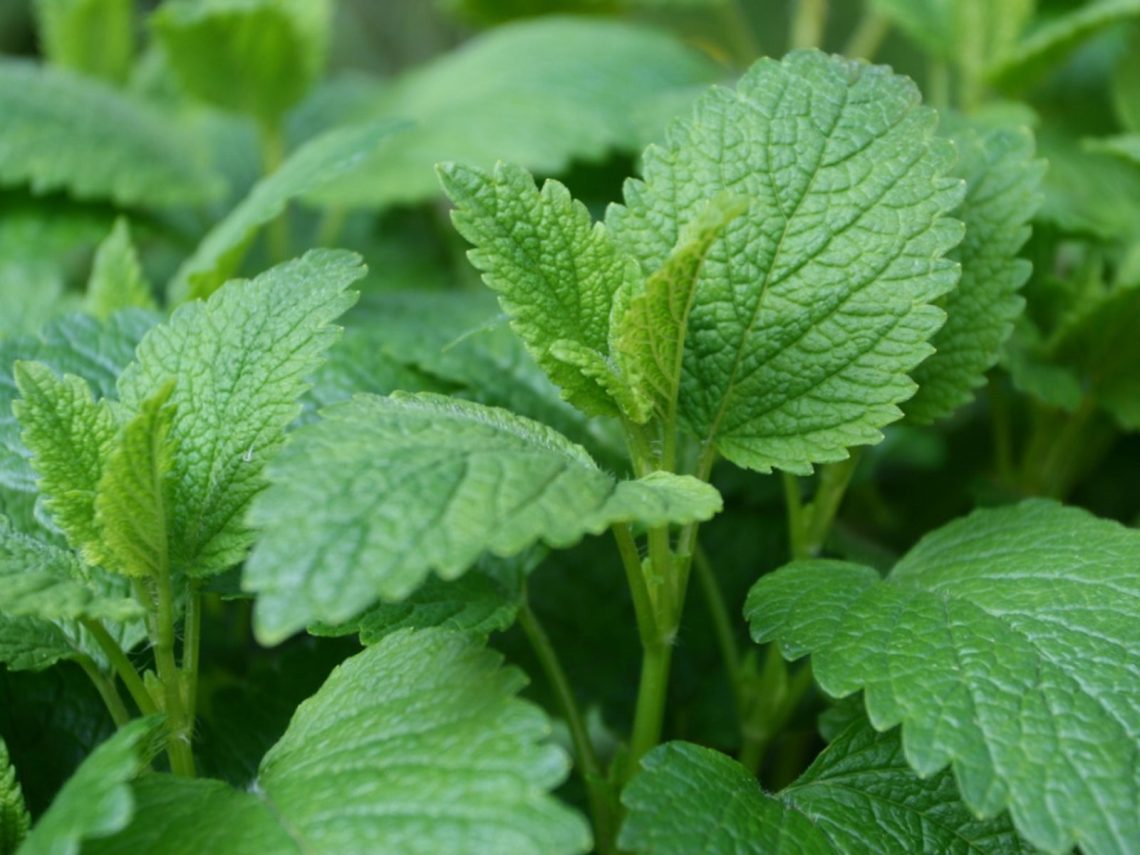
Lemon balm (Melissa officinalis), known in Romanian as roini, is an aromatic plant from the mint family, valued for centuries for its ability to soothe the mind and body. In recent years, numerous scientific studies have validated the effectiveness of this plant in reducing stress and anxiety, offering a natural alternative that is becoming increasingly popular compared to conventional treatments.
What does lemon balm contain and why is it effective?
The biochemical composition of lemon balm leaves explains its calming effects:
-
Rosmarinic acid with antioxidant and anti-inflammatory properties acts on the central nervous system by regulating neurotransmitter activity.
-
Flavonoids such as luteolin and apigenin have neuroprotective and mild sedative roles.
-
Essential oils like citronellal, geranial, and neral are aromatic compounds that induce a state of deep relaxation.
-
Phenolic acids and tannins support psycho-emotional balance.
These compounds influence the activity of GABA receptors (gamma-aminobutyric acid), which play a key role in reducing neuronal excitability and regulating anxiety.
How does lemon balm help in managing stress?
1. Reduces mental and emotional stress
By stimulating GABA receptors, lemon balm helps calm excessive brain activity. This soothing action is comparable to the effect of mild anxiolytic medications, but without the risk of dependence.
2. Improves mood and reduces irritability
Lemon balm extracts have shown positive effects on overall mood, reducing internal tension, irritability, and anxiety caused by daily overexertion.
3. Supports restful sleep
Chronic stress affects sleep quality. Lemon balm helps induce a state of relaxation conducive to deep sleep, especially when combined with other plants like valerian.
4. Supports concentration and mental clarity
Unlike other sedative plants, lemon balm does not cause drowsiness during the day when taken in moderate doses. It reduces stress without affecting mental alertness.
How to use lemon balm for stress?
Tea
-
Ingredients: 1 teaspoon of dried leaves per 250 ml of boiling water
-
Preparation method: Steep for 10-15 minutes, then strain.
-
Recommended dosage: 2-3 cups per day, the last in the evening before bedtime.
Tincture
-
30 drops in water, 2-3 times a day.
Capsules with dried extract
-
Doses between 300 and 600 mg of standardized extract, taken 1-2 times a day.
Relevant studies and research
1. Kennedy DO, et al. Nutritional Neuroscience, 2004
A double-blind, placebo-controlled study investigated the effect of two doses of lemon balm (300 mg and 600 mg) on artificially induced stress in volunteers.
Results: The 600 mg dose reduced anxiety and improved mental clarity without inducing drowsiness.
Source: Kennedy DO, Scholey AB et al., Attenuation of laboratory-induced stress in humans after acute administration of Melissa officinalis, Nutritional Neuroscience, 2004.
2. Cases J, et al. Mediterranean Journal of Nutrition and Metabolism, 2011
The study tested standardized lemon balm extract containing rosmarinic acid on 20 healthy volunteers.
Results: Participants reported reduced irritability and anxiety, with an overall state of calm and mental alertness.
Source: Cases J, Ibarra A et al., Mood improvement in healthy young volunteers following the administration of Melissa officinalis extract containing rosmarinic acid, Mediterranean Journal of Nutrition and Metabolism, 2011.
3. Akhondzadeh S, et al. Journal of Ethnopharmacology, 2003
A clinical study on 45 patients with mild to moderate anxiety, conducted over a period of 15 days.
Results: Patients treated with lemon balm showed significant reductions in anxiety scores (HAM-A) and improvements in sleep.
Source: Akhondzadeh S et al., Melissa officinalis in the treatment of mild to moderate anxiety disorders: a double-blind, randomized, placebo-controlled trial, Journal of Ethnopharmacology, 2003.
4. European Medicines Agency 2013
The official EMA report recognizes the traditional use of lemon balm leaves for:
-
Mild nervous tension
-
Minor sleep disturbances
The recommendation is based on both clinical research and documented traditional use.
Source: European Medicines Agency, Assessment report on Melissa officinalis L., folium, EMA/HMPC/558986/2012, 2013.
Contraindications and precautions
-
Hypothyroidism: Lemon balm may inhibit thyroid activity, so it is not recommended for individuals with confirmed hypothyroidism.
-
Pregnancy and breastfeeding: Medical consultation is recommended before administration.
-
Drug interactions: It may potentiate the effects of sedatives, sleeping pills, or antidepressants.
-
Allergies or gastric sensitivity: Some individuals may experience mild digestive discomfort or skin rashes.




