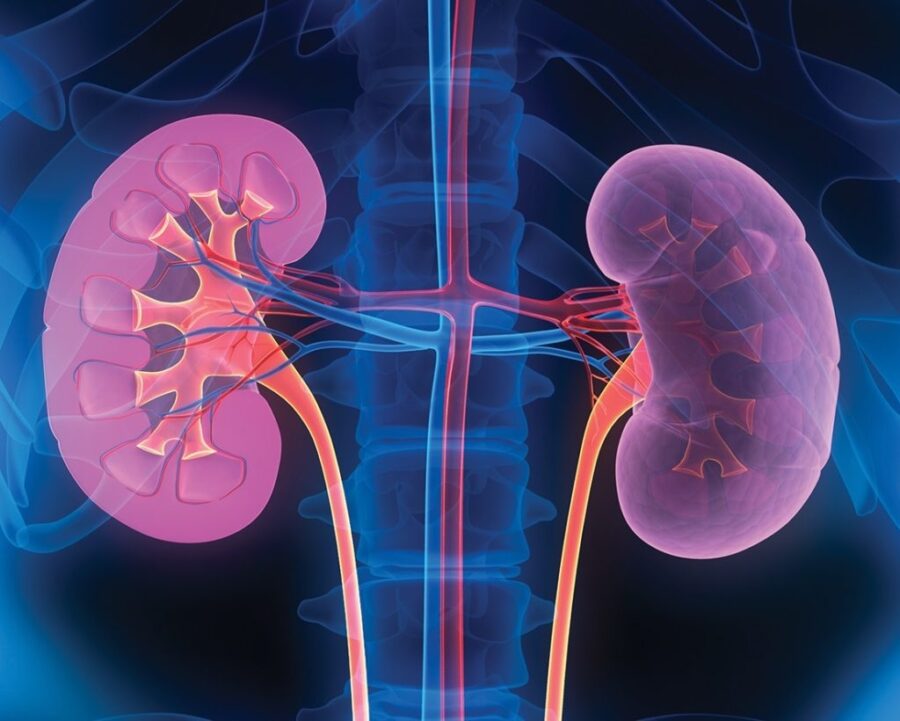
Diuretic infusions such as cherry stem tea, dandelion, corn silk, or elderflower are commonly used to eliminate excess water from the body, reduce blood pressure, combat water retention, and support kidney function. However, excessive consumption can lead to serious imbalances in the body.
Adverse Effects of Excessive Consumption of Diuretic Infusions
1. Dangerous Electrolyte Imbalances
Frequent and large quantities of diuretic infusions promote the elimination of potassium, magnesium, and sodium through urine. These minerals are essential for the functioning of nerves, muscles (including the heart), and overall fluid balance.
A study published in the Journal of Clinical Hypertension (2020) showed that potassium losses caused by natural or pharmaceutical diuretics can lead to hypokalemia—a condition associated with cardiac arrhythmias, muscle cramps, severe fatigue, and mental confusion.
Low potassium can be a medical emergency in some cases, especially for individuals with heart disease or those on cardiac medications.
2. Masked Dehydration
Although it seems paradoxical, infusions that help eliminate water can lead to dehydration, especially if the lost fluid is not replaced with pure water.
The body eliminates not only water but also electrolytes and intracellular fluids. Dehydration manifests as excessive thirst, dry mouth, dizziness, low blood pressure, and in severe cases, circulatory collapse.
A study in the American Journal of Physiology (2019) demonstrated that natural diuretics administered for 10 days, without correcting water intake, led to significant decreases in plasma volume and blood pressure in healthy subjects.
3. Kidney Irritation and Impaired Kidney Function
Ironically, teas intended for kidney health can, in excess, irritate and overstrain the renal tubules. This can lead to inflammation and a gradual decrease in glomerular filtration capacity.
A clinical study published in Nephrology Dialysis Transplantation (2021) followed frequent consumers of diuretic teas (3-4 cups daily) for 6 months. Approximately 12% of them showed increased creatinine levels and decreased glomerular filtration rate (eGFR), indicating kidney impairment.
4. Excessive Decrease in Blood Pressure
For individuals who already have low blood pressure or are undergoing antihypertensive treatment, diuretic infusions can amplify the effect and lead to severe hypotension.
This effect manifests as dizziness, blurred vision, weakness, headaches, or even episodes of syncope. In the elderly, this risk is doubled, as blood pressure can drop suddenly upon changing position (orthostatic hypotension).
5. Dangerous Interactions with Medications
Many people consume diuretic infusions alongside treatments for hypertension, diabetes, or heart disease. These teas can interfere with medications, amplifying the effects of some drugs (loop diuretics, beta-blockers) or preventing the absorption of others.
For example, horsetail and dandelion can enhance the effects of digoxin (used in heart failure), increasing the risk of digitalis toxicity.
Important Contraindications
- Individuals with kidney or heart conditions should consult a doctor before consuming any natural diuretic;
- Pregnant or breastfeeding women—certain plants can cross the placenta or enter breast milk;
- Individuals with low blood pressure may experience aggravated symptoms;
- Individuals on pharmaceutical diuretic treatments should not combine them with natural infusions without medical advice.
What Do Doctors Recommend?
Nephrologists and cardiologists warn that plants with diuretic effects are not neutral or completely safe when consumed haphazardly. Dr. Adriana Popescu, a nephrologist, warns in an interview:
Diuretic infusions can be useful in the short term, but if consumed daily without monitoring, they can disrupt potassium and magnesium balance, leading to cardiac and renal disturbances. We recommend them in moderation, only as an adjunct.
Sources:
- Journal of Clinical Hypertension, Hypokalemia Associated with Natural and Pharmaceutical Diuretics
- American Journal of Physiology, Water and Electrolyte Imbalance After Natural Diuretic Use
- Nephrology Dialysis Transplantation, Herbal Diuretics and Renal Function: A Clinical Observation Study
- Viaa Medical, article: Diuretic Teas—Between Help and Risk




