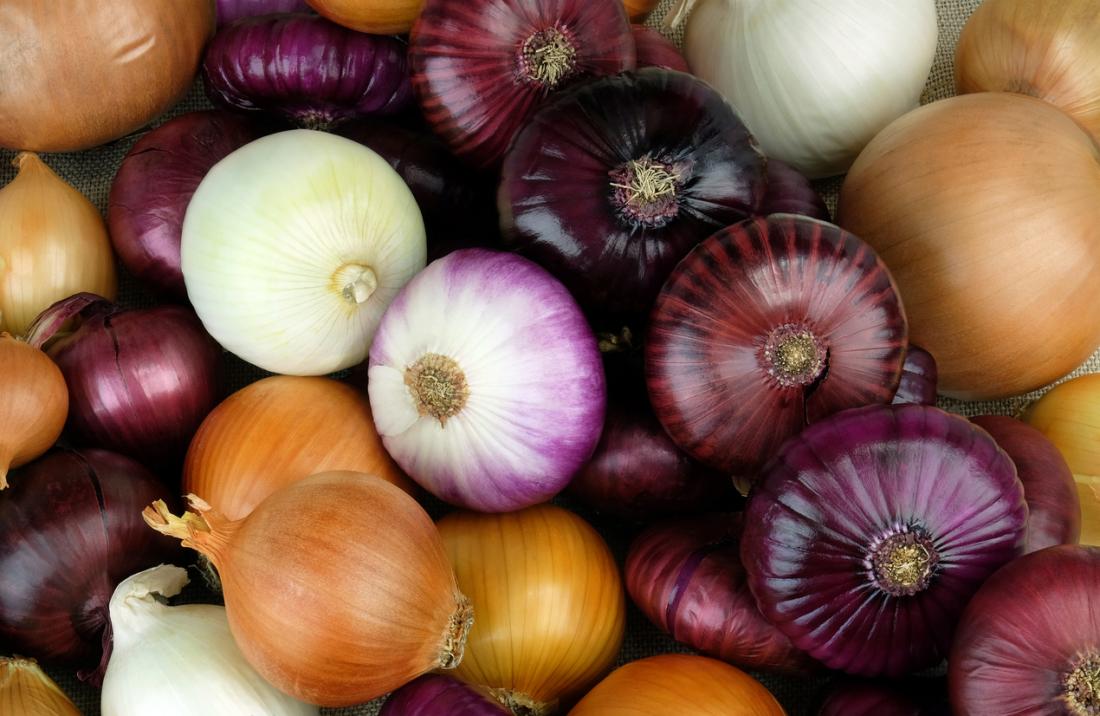
Onion is the most consumed vegetable due to its special taste and aroma it adds to dishes. For those who don’t know, onion brings miraculous benefits for health. Here’s why you should consume it daily.
Because it is rich in vitamin C, onion can help regulate immune health, collagen production, and iron absorption. It is also a powerful antioxidant that protects cells from unstable and damaging molecules called free radicals.
Onion is rich in B vitamins, including folate and vitamin B6. These play key roles in metabolism, red blood cell production, and nervous system function.
Onion is also a good source of potassium, a mineral that can help with: cellular function, fluid balance, nerve signal transmission, kidney function, and muscle contraction.
Unseen Benefits of Onion: It Cleanses Health
Eating onion often, the antioxidants found in this vegetable reduce the risk of heart diseases.
1. Heart
Onion contains antioxidants and compounds that reduce the risk of heart diseases by combating inflammation and lowering triglyceride and cholesterol levels.
They contain a high amount of quercetin. This is a flavonoid antioxidant and anti-inflammatory that reduces hypertension.
A small study conducted in 2015 on 70 overweight individuals with hypertension showed that a daily dose of 162 mg of quercetin-rich onion extract can significantly reduce systolic blood pressure by 3.6 millimeters of mercury.
Additionally, a small study conducted in 2014 on 54 women with PCOS showed that consuming 80-120 g of raw red onion daily for two months reduced total cholesterol and LDL cholesterol levels.
However, more research is needed regarding the benefits of onion for the heart.
2. Antioxidants
Antioxidants are compounds that inhibit oxidation, a process that leads to cell damage and contributes to diseases such as cancer, diabetes, and heart diseases.
Onion is an excellent source.
In another analysis from 2014 of 16 separate studies involving a total of 13,333 people, researchers suggested that individuals with the highest onion consumption had a 15% lower risk of colon cancer.
Test-tube studies indicate that onionin A, a sulfur-containing compound in onion, reduces tumor growth and slows the spread of ovarian cancer. Onion also contains fisetin and quercetin, which are flavonoid antioxidants that also inhibit tumor growth.
3. Blood Sugar
Consuming onion may help regulate blood sugar levels, which is important for individuals with diabetes or prediabetes.
A small study conducted in 2010 on 84 individuals with type 1 or type 2 diabetes found that consuming 100 g of raw red onion significantly reduced fasting blood sugar levels after 4 hours.
A 2020 study showed that diabetic rats fed for two months with a diet containing 5% dried onion powder had reduced fasting blood sugar levels and lower triglyceride and cholesterol levels.
Dairy products receive much of the credit for promoting bone health. But there are also other foods, such as onion, that help support strong bones.
A small study conducted in 2016 on 24 middle-aged and postmenopausal women found that those who consumed 100 ml of onion juice daily for two months had improved bone density and antioxidant activity.
4. Antibacterial Properties
Onion fights against potentially harmful bacteria, such as:
Escherichia coli, a Gram-negative bacterium that lives in the intestines of warm-blooded organisms;
Pseudomonas aeruginosa;
Staphylococcus aureus;
Bacillus cereus;
A 2010 test-tube study suggested that onion extract can inhibit the growth of Vibrio cholerae, a type of bacterium that poses a major public health problem in some parts of the world.
Quercetin, a natural pigment extracted from onion, can also reduce bacterial growth. An analysis showed that it could inhibit the growth of many strains of bacteria, such as Helicobacter pylori, a type of bacterium associated with gastric ulcers and some types of digestive tract cancers. Another test-tube study showed that quercetin destroyed the cell walls and membranes of E. coli and S. aureus.
5. Digestive System
Onion is a rich source of fiber and prebiotics, which are essential for optimal intestinal health.
Prebiotics are types of indigestible fibers that are broken down by good intestinal bacteria. Intestinal bacteria feed on prebiotics and create short-chain fatty acids that:
support intestinal health;
boost immunity;
reduce inflammation;
improve digestion.
Consuming prebiotic foods can also contribute to the growth of probiotics, such as Lactobacillus and Bifidobacterium strains, which are beneficial for digestive health.




