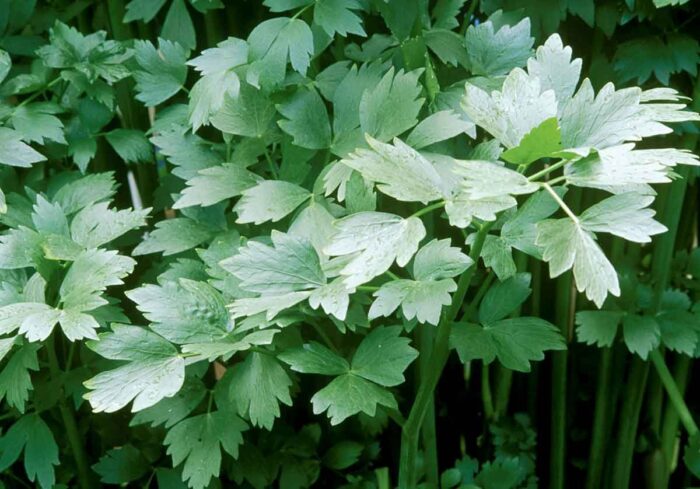
Lovage (Levisticum officinale) is one of the most underestimated plants in our kitchens, although it has an impressive tradition as a natural remedy in folk medicine and modern phytotherapy. If until now you have only used it to flavor soups, it is time to discover its therapeutic power, especially when chewed raw in the morning on an empty stomach. The simple act of consuming 2-3 fresh leaves can trigger a series of beneficial reactions in the body, which have been confirmed by recent research.
Benefits
1. Stimulates Digestion and Reduces Bloating
Chewing fresh lovage leaves in the morning stimulates the production of gastric juices, which helps with more efficient digestion right from the first meal. The essential oils in the plant, especially limonene and eugenol, have a carminative effect, meaning they reduce the accumulation of intestinal gas. This action can prevent abdominal discomfort, the feeling of heaviness after meals, and flatulence. Additionally, chewing stimulates the salivary glands, facilitating pre-digestion right in the oral cavity. After just a few days of regular use, many people notice a clear improvement in intestinal transit and a reduction in bloating.
2. Cleanses the Kidneys and Reduces Water Retention
Lovage is recognized as a powerful natural diuretic. By chewing the leaves on an empty stomach, the active compounds quickly enter the bloodstream and stimulate the elimination of excess fluids through urine. This effect can contribute to easier weight loss and reduce edema (swelling) in the legs or around the eyes. Additionally, cleansing the kidneys helps eliminate accumulated toxins in the body, which can have positive effects on the skin and overall energy levels. The effect is more pronounced if a glass of water is consumed shortly after chewing.
3. Freshens Breath and Supports Oral Health
Lovage has an intense aroma that neutralizes unpleasant mouth odors, including those caused by anaerobic bacteria. Its essential oils have antibacterial effects, helping to reduce bacterial plaque and prevent gum inflammation. Chewing the leaves in the morning, when the oral cavity is still acidic from the night, contributes to pH regulation and protects tooth enamel. Additionally, a reduction in the feeling of dry mouth has been observed in individuals who use it regularly. In this way, lovage becomes a natural alternative to chewing gum and mouthwash.
4. Supports Liver Health
Another important effect of chewing lovage leaves is the stimulation of bile secretion, which supports the proper functioning of the liver. Through this action, lovage helps the body eliminate fat-soluble toxins more efficiently. The liver is one of the most overworked organs in the detoxification process, and lovage supports it with its choleretic and cholagogue effects. After a course of 7-10 days, some consumers report an overall feeling of well-being, brighter skin, and more active digestion. The hepatoprotective effect is even stronger if the plant is combined with adequate hydration.
5. Regulates Blood Pressure
Through its diuretic effect and potassium content, lovage contributes to lowering blood pressure. Potassium helps balance sodium levels in the body, which has a direct impact on blood pressure. Chewing in the morning on an empty stomach promotes the rapid absorption of these nutrients, amplifying the hypotensive effect. For individuals with mild to moderate hypertension, a course of 10-14 days can have remarkable effects. However, this benefit should be closely monitored in individuals already undergoing treatment for blood pressure.
Scientific Studies and Research
A study published in Phytotherapy Research (2018) analyzed the phytochemical composition of lovage leaves and identified compounds with significant antioxidant and anti-inflammatory activity. Researchers particularly highlighted the content of quercetin, kaempferol, and ferulic acid, compounds that protect cells against oxidative stress. These may help reduce the risk of chronic diseases such as atherosclerosis or cancer. In the study, laboratory animals that were administered lovage extracts showed a clear decrease in inflammatory markers, including TNF-alpha and interleukin-6.
In another study published in Journal of Ethnopharmacology (2020), the effect of lovage on the renal system was evaluated. It was found that aqueous extracts had a diuretic activity comparable to that of some synthetic medications, without causing excessive electrolyte loss. The authors concluded that the plant could be used as an adjunct in the treatment of water retention and hypertension. Additionally, a mild antimicrobial effect against bacteria involved in urinary infections, such as Escherichia coli, was observed.
A third study conducted at the University of Warsaw explored the effect of lovage on liver function. The results showed that animals treated with leaf extract had a significant reduction in ALT and AST levels, liver enzymes associated with liver damage. The researchers concluded that lovage has a clear hepatoprotective potential, justifying its traditional use in liver disorders. Furthermore, an increase in glutathione levels, an essential endogenous antioxidant for liver detoxification, was observed.
Contraindications
Lovage is not recommended for pregnant women, as it may stimulate uterine contractions. Additionally, individuals with severe kidney conditions or those undergoing diuretic treatment should consult a doctor before starting a course with this plant. It is contraindicated in cases of allergy to plants in the Apiaceae family (parsley, celery, carrot). Chewing the leaves is not recommended long-term without breaks, as it may irritate the stomach in individuals with gastritis or ulcers. In cases of concurrent administration with treatments for blood pressure or diuretics, medical supervision is necessary.
Sources:
- Phytotherapy Research – Phytochemical profile and antioxidant properties of Levisticum officinale
- Journal of Ethnopharmacology – Diuretic and antimicrobial potential of Levisticum officinale leaf extracts
- Warsaw University – Hepatoprotective effect of Levisticum officinale in rats with induced liver damage




