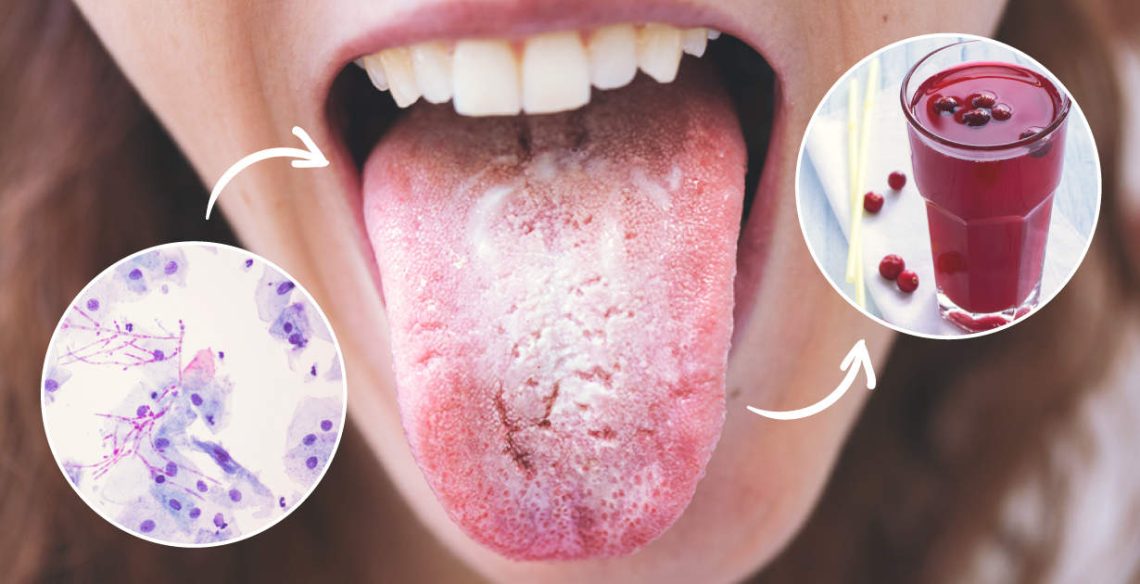
Have you ever faced any of these health issues?
Exhaustion
Cravings for sweets
Bad breath
A white coating on the tongue
Confusion
Hormonal imbalance
Joint pain
Loss of sexual appetite
Chronic sinus problems and allergies
Digestive issues (gas and bloating)
Weak immune system
Urinary tract infections
If so, these are just a few signs that you may have a fungal infection known as Candida. In this article, you will learn about other symptoms of Candida, along with what causes Candida and a diet to naturally treat it.
What is Candida?
Candida can be very severe. Recently, a species of Candida known as Candida auris has emerged as a dangerous health threat in several countries and in many healthcare settings. This version of Candida has proven resistant to multiple medications, leading to serious illnesses.
Candida albicans is the most common type found in the mouth, intestinal tract, and vagina (vaginal/genital candidiasis) and can affect the skin and other mucous membranes. If the immune system is functioning optimally, this type of infection is rarely severe. However, if the immune system is not working properly, a Candida infection can migrate to other areas of the body, including the bloodstream and membranes surrounding the heart or brain, causing severe symptoms of Candida. This is referred to as invasive candidiasis.
Candida is a fungus that helps with the absorption and digestion of nutrients when present at adequate levels in the body. When it is produced in excess, typical Candida symptoms can arise. In the digestive tract, if left uncontrolled, it breaks down the intestinal mucosal walls and penetrates the bloodstream. This releases secondary toxins and other toxins from your system, causing leaky gut syndrome.
Good and healthy bacteria and a properly functioning immune system are essential when fighting against this overgrown infection.
What causes Candida infections?
There are many possible causes of Candida, including a diet high in sugar, refined carbohydrates, and alcohol that help feed Candida. Additionally, I have outlined other potential causes below.
1. Broad-spectrum antibiotics
Sometimes, antibiotics are necessary to fight an overgrown infection by killing the offending bacteria in your system. The problem with antibiotics and their overuse (often leading to antibiotic resistance) is that they do not only kill bad bacteria; they also kill the good ones.
The good bacteria in your system are responsible for digestion and keeping Candida under control. After a long treatment (or multiple treatments over a short period), antibiotics can literally make your body a breeding ground for Candida.
2. Contraceptive pills
Unlike antibiotics, contraceptive pills do not directly cause a yeast infection or excessive Candida growth syndrome. However, when a woman consumes a diet high in refined sugars and has undergone antibiotic treatment, contraceptive pills can negatively affect the body, leading to a Candida infection.
Some women find that contraceptive pills seem to cause Candida infections even long after the initial infection has cleared; once they start taking contraceptive pills again, Candida can take root.
3. Oral corticosteroids
Individuals treating bronchial asthma with inhalers containing corticosteroids are at an increased risk of developing Candida in the mouth, leading to an excessive systemic increase of Candida. It is imperative that individuals using corticosteroid inhalers for asthma follow instructions to rinse their mouths after each use. If oral candidiasis is detected, it can be treated with coconut oil gargle and a drop or two of clove essential oil.
4. Cancer treatments
According to the Clinical Research Department at Merck Research Laboratories, candidiasis can become invasive in cancer patients and can present a serious complication. In this study, one-third of patients treated for cancer had invasive candidiasis. Chemotherapy and radiation can work to kill cancer cells and tumors; however, they also kill the healthy bacteria that naturally fight Candida.
5. Diabetes
In a type 1 or type 2 diabetic, sugar levels in the mouth and other mucous membranes are typically higher than in a non-diabetic person. Since Candida is a type of yeast and sugar feeds yeast, it is not surprising that those with diabetes have a higher risk of developing excessive Candida growth syndrome.
6. Weakened immune system
Anyone with a weakened immune system is at greater risk of developing Candida. This population includes infants, young children, the elderly, those diagnosed with HIV/AIDS, and other inflammatory and autoimmune conditions.
Eliminating Candida
Curing Candida helps eliminate excess Candida by introducing fighters against Candida found in fermented vegetables and kefir.
You have two options for a cleanse: a liquid-only cleanse or a gentler cleanse with food. You can also opt for a complete intestinal reboot: starting with the first step of cleansing and then moving on to the second step of cleansing. The entire process will also lay the groundwork for starting the anti-Candida diet!
Option 1: Liquid cleanse (Duration 1-2 days)
Start by making a vegetable broth from organic onion, garlic, celery, kale, sea salt, and pure water. Let it boil and strain. Discard the vegetables and refrigerate the broth.
Throughout the day, sip the warm broth; it is imperative to drink plenty of water to help your body eliminate all toxins from the system. While this is not a long-term cleanse, it can be repeated as needed every few weeks.
Option 2: Steamed vegetables (Duration 3-5 days)
By eliminating grains, sugars, fruits, starches, and alcohol from your diet for three to five days, you can make great progress in your fight against excessive Candida growth.
For the most part, eat fresh, organic vegetables that have been steamed. For this stage of cleansing, stay away from any starchy vegetables, such as carrots, radishes, beets, sweet potatoes, and white potatoes, which can contribute to sugar levels and feed Candida. Continue to drink plenty of pure water, at least 2 liters a day, to help eliminate Candida and its byproducts from your system.
During this time, no more than once a day, you can eat salads made from leafy green vegetables topped with just a little coconut oil and apple cider vinegar (or lemon juice).
During any of the above options, you can use bentonite clay to help effectively eliminate toxins from the body.




