Linalool is a compound found in some natural remedies, including certain essential oils. Due to its sedative effects when inhaled, it has been used in traditional medicine practices for many centuries, especially to treat stress-related issues.
In fact, linalool is considered to be one of the oldest known sedatives or sleep aids in the world.
What is linalool used for today? Its floral aroma is believed to promote relaxation and has calming effects on the body and mind.
This means that the benefits of linalool include combating anxiety, insomnia, muscle tension, and inflammation.
What is Linalool?
Linalool is a terpenic compound found in over 200 species of plants. It gives certain plants a floral aroma along with a hint of spice.
It differs from synthetic fragrances as it is naturally found in flowers, spices, and even cannabis. However, it can also be created in a laboratory, though the natural version is preferred.
It is most often isolated from plants and added to creams, perfumes, and other beauty products, and is also present in some essential oils.
Additionally, it is a common flavoring agent in beverages and foods and has widespread use in cosmetic products.
Is lavender a type of linalool?
Linalool terpene is found in plants, including:
- lavender
- birch bark
- cinnamon
- mint
- rosewood
- coriander
- basil
- peanuts
- neroli
- cannabis (though it does not have the same psychoactive effects as other compounds found in cannabis)
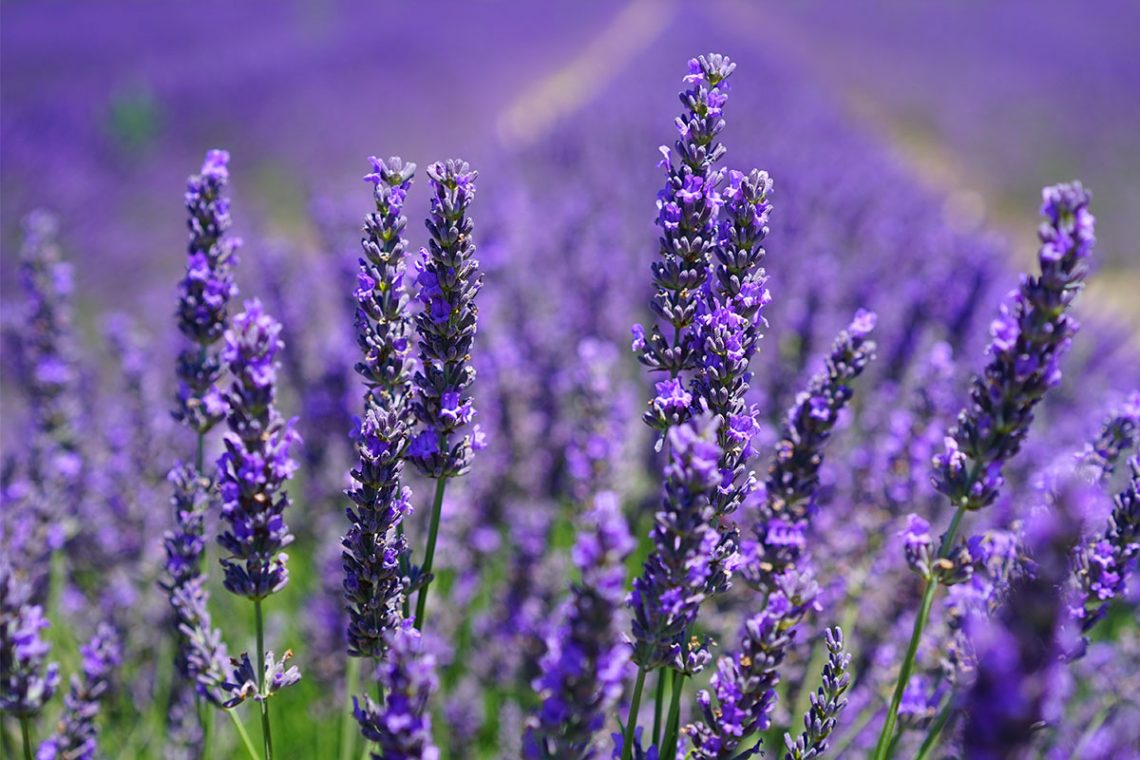
Lavender is one of the best and most popular plant sources of linalool, along with rosewood and neroli oil. In fact, linalool is responsible for much of the characteristic fragrance and calming effects of lavender.
Benefits
Research suggests that linalool has many health benefits and uses due to the way terpenes modulate the functioning of certain brain pathways. It has been shown that linalool can affect mood, sleep, pain perception, heart rhythms, and more.
1. Calming and Stress-Reducing Effects
Studies on animals and humans have demonstrated that linalool has sedative effects and can help calm an overactive nervous system.
It has been shown that the scent of linalool acts as a natural anxiolytic, meaning it reduces symptoms of anxiety and the perception of stress. It does this by activating the parasympathetic nervous system, which helps us relax and digest.
The sense of smell is directly linked to brain pathways that control emotions and memory.
Olfactory receptors signal the limbic and hypothalamic areas of the brain to release neurotransmitters, such as serotonin and endorphins, which connect the nervous system to other systems in the body.
Certain aromas can modulate neurotransmitter levels, making us feel calmer, more energized, or even euphoric. More recently, it has been discovered that terpenes directly affect brain processing by modulating the behavior of certain brain cells.
Since linalool is capable of reducing stress, it can lead to many health improvements, including:
- better sleep
- normalized blood pressure
- less muscle tension
- fewer headaches
- improved digestion
- enhanced immunity
- more energy
2. Anti-Inflammatory and Pain-Relieving Effects
It has been shown that this terpene modulates how the brain perceives pain, giving it the ability to reduce hyperactive responses to injuries or illnesses. It can help with inflammation, swelling (edema), redness, irritation, and other factors contributing to pain.
One study even found that aromatherapy with lavender can be used to reduce the need for opioids in postoperative periods after surgery.
3. May Help Strengthen the Immune System
Plants containing linalool, including lavender, are known to help combat the negative effects of stress and improve sleep quality, both of which are important factors for supporting a healthy immune system.
Stress can affect immune function by altering white blood cell production, increasing inflammation markers, and even affecting how certain genes are expressed. The anti-anxiety effects of linalool seem to help counteract the body’s stress response.
Linalool also appears to have certain antimicrobial properties, helping to protect the body against infections. Additionally, it has antioxidant properties and may even have potential anti-cancer effects.
4. Helps Soothe Irritated Skin
Is linalool safe for the skin? It depends on how it is used, but it is generally beneficial for skin health as it combats inflammation and harmful bacteria.
For example, lavender oil can be applied to skin rashes to soothe redness, itching, and other symptoms. It also helps treat issues such as swelling and razor burns, diaper rash, and more.
Simply combine three drops of pure lavender oil with half a tablespoon of coconut oil and apply to the affected area three times a day for relief from skin rashes. Lavender oil can also be mixed with grape seed or almond oil and gently massaged onto the skin.
5. Beneficial for Those with Epilepsy and Neurological Conditions
Linalool is sometimes used to assist in the treatment of neurological diseases, including epilepsy (spontaneous seizures), due to its anticonvulsant properties. Research suggests that this terpene can modify the brain’s chemical substances involved in excitability and muscle contractions, such as levels of glutamate and acetylcholine, potentially helping to stop seizures and protect the brain from damage.
Recent studies also suggest that linalool may be promising in helping those with Alzheimer’s disease by combating cognitive deficits caused by inflammation, brain plaques, and other cellular anomalies. An animal study found that inhaling linalool for a period of three months helped with memory, learning, and spatial awareness in rodents with neurodegenerative disorders.
6. Natural Insect Repellent
The scent of linalool is known to deter mosquitoes and acts as a natural insect repellent. For example, lavender essential oil and mint oil can be used to repel bugs both indoors and outdoors.
Oils containing linalool can be diffused or applied to the skin when mixed with a carrier oil to help repel mosquitoes and other insects, preventing bites and skin rashes.
Dosage and Usage
Pure linalool is described as having a fresh, clean floral scent with a slight citrus aroma.
The most common ways to ingest linalool are through aromatherapy or inhaling lavender essential oil. You can benefit from the aroma of lavender oil in several ways:
- diffusing it in a room
- adding it to homemade lotions or massage oils
- spraying it on sheets and pillows
- inhaling from a bottle
The same applies to mint and cinnamon oils, which also contain terpenes. Use only a few drops of essential oil on the skin at a time, mixed with a carrier oil.
Risks and Side Effects
Linalool is a substance generally recognized as safe, approved for food and drugs, as a direct food additive (synthetic flavoring substance) for both human and animal consumption.
That said, it is important to follow dosage instructions when using oils or extracts containing terpenes. If you are allergic to lavender, rosewood, cinnamon, or other related spices and plants, avoid any products made with linalool.
Remember that essential oils are extremely potent and should only be used in small quantities and according to the instructions on the label. They can be used aromatically and topically for best results.
If you are taking medications or are pregnant, discuss potential interactions with your doctor before using essential oils.
How to Avoid Synthetic Linalool:
When linalool is produced synthetically and added to beauty or household products, it is likely mixed with other chemicals that can cause issues such as nasal sensitivity, allergies, and skin rashes. To avoid this, do not purchase products that include fragrance, phthalates, DEP, DBP, or DEHP as ingredients.
When linalool or linalool is listed on a label, it is likely a synthetic, artificial version, not the natural compounds that are part of a more complex organic essential oil.
Look for products that use organic essential oils when searching for a fragrance. Buying certified organic products also means they are less likely to include artificial fragrances (but still read the labels).




