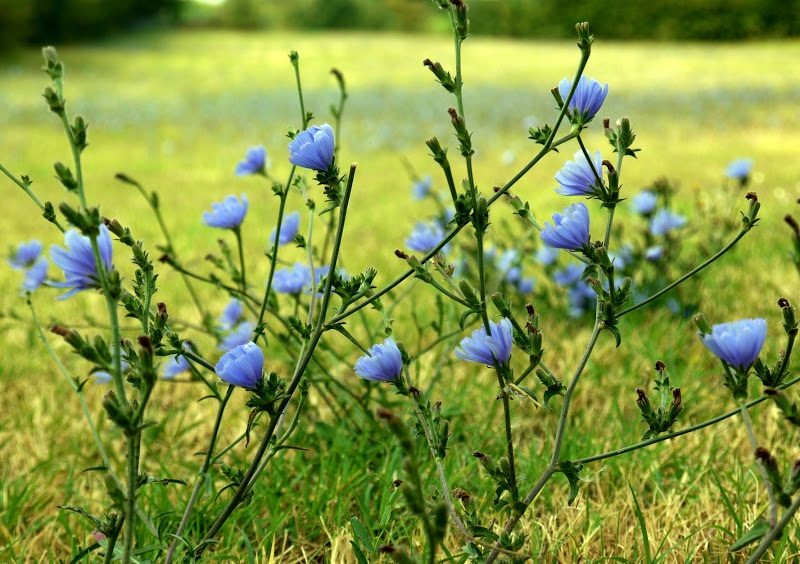
In popular culture, chicory (Cichorium intybus) is mainly known as a coffee substitute, but its healing power goes far beyond this use. In the form of a decoction, the plant releases active compounds in an intense and concentrated manner, becoming a bitter remedy with a profound effect on the liver, intestines, skin, and metabolism. The bitter taste, often avoided, is precisely the signal of a plant with real detoxifying and revitalizing effects.
Benefits of Chicory Decoction:
1. Supports liver health and stimulates bile secretion
The bitter substances in chicory root, especially lactucopicrin and intibin, stimulate liver function and gallbladder activity. By increasing bile secretion, the decoction contributes to the digestion of fats and more efficient elimination of toxins from the liver. This action is essential for individuals with slow digestion, bloating, or biliary dyskinesia. Studies show that chicory extract can reduce liver inflammation and may have a protective effect on liver cells. In traditional medicine, the decoction was used as a liver tonic during fasting periods or after dietary excesses.
2. Improves digestion and combats constipation
Chicory contains inulin, a prebiotic fiber that helps regulate intestinal transit and stimulates beneficial gut flora. The decoction, consumed warm, stimulates peristalsis and facilitates natural elimination without irritating the intestinal mucosa. The bitterness of chicory activates digestive enzymes in the oral cavity, preparing the stomach for an efficient digestive process. Individuals with sluggish digestion or a feeling of heaviness after meals can greatly benefit from this remedy. Additionally, it may reduce gastric acidity and symptoms of indigestion.
3. Cleanses the blood and reduces blood sugar levels
Due to its content of antioxidants, polyphenols, and bitter substances, chicory decoction helps purify the blood and regulate blood sugar levels. Inulin has proven hypoglycemic effects, making the decoction an ally in managing blood sugar for individuals with type 2 diabetes. By reducing oxidative stress, chicory protects blood vessels and lowers the risk of metabolic complications. When consumed regularly, it can contribute to a more balanced overall state with fewer energy fluctuations. In ancient medicine, it was said that the decoction refreshes the blood and clears the mind.
4. Has a detoxifying effect on the skin and complexion
The relationship between the liver and skin is well-known in phytotherapy. When the liver does not function optimally, toxins are eliminated through the skin, leading to acne, eczema, or rashes. Chicory decoction, through its hepatoprotective and depurative action, indirectly helps to clear the skin. Additionally, the antioxidants in the plant’s root combat inflammation and improve the complexion’s appearance. Chicory is sometimes used externally in compresses for irritated skin. However, sustained internal consumption brings the clearest results for the skin within 2-3 weeks.
5. Stimulates the kidneys and eliminates excess water
Chicory has a mild diuretic effect, helping to eliminate excess water from tissues without depleting mineral reserves. Thus, it can reduce the feeling of bloating, water retention, and minor edema. This action is due to compounds with anti-inflammatory and mild diuretic effects that support renal function. It is recommended during detoxification regimens, especially during seasonal changes. Additionally, by reducing uric acid levels, it can be useful in preventing gout or joint discomfort.
6. Supports intestinal and digestive immunity
Through the prebiotic effect of inulin and support for intestinal flora, the decoction has a direct impact on the immune system. A large part of immunity is regulated at the intestinal level, and a healthy microbiome means an effective barrier against infections. During cold or flu seasons, a clean liver and activated intestines can make a difference in the body’s defense capacity. Recent studies confirm the direct link between chicory and the support of intestinal microbiome balance.
Scientific Studies and Research
A study published in Journal of Ethnopharmacology (2021) analyzed the effects of chicory root on the liver in patients with hepatic steatosis. For 8 weeks, participants consumed chicory extract, and the results showed a significant reduction in liver enzymes and an improvement in liver structure on ultrasound. Researchers attributed these effects to phenolic compounds and inulin.
Another study published in Phytomedicine (2019) demonstrated that chicory extract reduces blood sugar and insulin resistance in patients with type 2 diabetes. The effect was comparable to that of standard medications but without adverse effects. Inulin was identified as the main active agent, having the ability to regulate glucose metabolism through fermentation in the large intestine.
In 2022, an in vitro study published in Molecules highlighted the antioxidant capacity of chicory against free radicals. The high antioxidant activity was correlated with the presence of flavonoids such as luteolin and apigenin. This supports the use of the plant in preventing inflammatory and chronic diseases.
Additionally, Iranian Journal of Basic Medical Sciences (2018) confirmed the anti-inflammatory action of chicory decoction in experimental models. A reduction in pro-inflammatory interleukin levels was observed, suggesting therapeutic potential in autoimmune conditions.
Reet – How to Prepare Chicory Decoction
Ingredients:
- 1 tablespoon of dried chicory root (chopped)
- 250 ml of water
Preparation method:
- Place the plant in a pot with cold water.
- Bring to a boil and let it simmer for 10-15 minutes over low heat.
- Turn off the heat, cover, and let it steep for another 10 minutes.
- Strain and drink warm, preferably in the morning on an empty stomach.
You can consume 1-2 cups per day, in courses of 14-21 days. The taste is bitter, but the effects are notable.
Contraindications and Precautions
- Contraindicated in cases of active gastric or duodenal ulcers due to potential irritant effects.
- Not recommended during pregnancy and breastfeeding without medical advice.
- May interact with diabetes treatments; monitoring of blood sugar is necessary.
- In some individuals, it may cause mild allergic reactions (itching, rashes).
- Not recommended in cases of large biliary lithiasis (may stimulate gallbladder contraction).
Sources:
- Journal of Ethnopharmacology, Effect of Cichorium intybus root extract on liver enzymes and fatty liver disease
- Phytomedicine, Chicory root extract in type 2 diabetes: a randomized controlled trial
- Molecules, Antioxidant and phenolic profile of Cichorium intybus L.
- Iranian Journal of Basic Medical Sciences, Anti-inflammatory effect of Cichorium intybus decoction in rats




