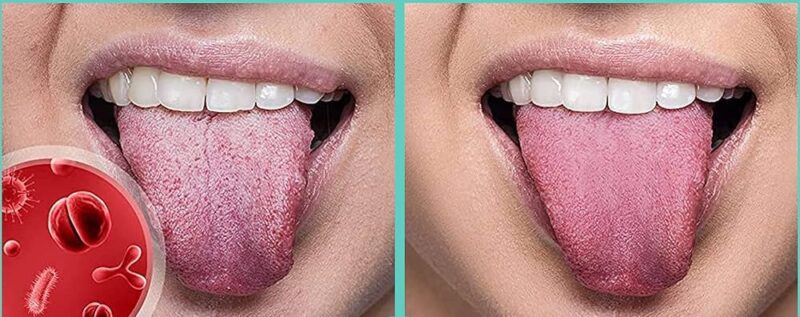
A coated tongue is a clear signal from the body that something is not functioning properly at the digestive or hepatic level. When a whitish, yellow, or even brown layer appears on the surface of the tongue, it is often an indication of an overworked liver, slow digestion, or the accumulation of toxins in the intestines.
In natural medicine, this symptom is not ignored but treated as an alarm signal that can be regulated through a gentle yet effective detoxification process. Here are the most valuable medicinal plants that support the healing of the liver and intestines, with scientifically proven effects.
1. Milk Thistle (Silybum marianum) – The Liver Shield
How it works:
Milk thistle contains silymarin, a complex of flavonoids with a strong hepatoprotective effect. It stimulates the regeneration of liver cells and accelerates the elimination of toxins from the liver, which can otherwise reach the intestines and affect digestion.
How to use:
-
- Tea: 1 tablespoon of crushed seeds in 250 ml of hot water, infused for 15 minutes. Drink twice a day.
- Tincture: 20-30 drops, three times a day, before meals.
A study published in Phytotherapy Research (2010) showed that silymarin reduces liver enzyme levels and aids in liver regeneration in patients with chronic liver diseases.
2. Dandelion (Taraxacum officinale) – Complete Detox
How it works:
The leaves and root of dandelion stimulate bile secretion and promote the elimination of toxins through the liver and colon. It is considered one of the best plants for liver drainage and lymphatic cleansing.
How to use:
- Infusion: 1 tablespoon of plant in 250 ml of hot water, 2-3 cups a day.
- Fresh juice: obtained from young leaves, take 1 tablespoon twice a day, in courses of 10-14 days.
The Journal of Alternative and Complementary Medicine (2011) published a study demonstrating the ability of dandelion extract to protect liver cells from oxidative stress and toxins.
3. Burdock Root (Arctium lappa) – Cleansing the Blood and Skin
How it works:
Burdock cleanses the blood and intestines of toxins, regulates intestinal transit, and reduces inflammation. It is especially indicated when a coated tongue is accompanied by skin rashes or bad breath.
How to use:
- Decoction: 1 tablespoon of dried root in 300 ml of water, boiled for 10 minutes. Drink 2 cups a day for 2 weeks.
- Powder: 1 tablespoon on an empty stomach, twice a day.
A study published in International Journal of Molecular Sciences (2020) highlighted the antioxidant and antimicrobial effects of burdock extract, useful for general detoxification.
4. Chicory (Cichorium intybus) – The Liver’s Best Friend
How it works:
Chicory contains inulin, a prebiotic fiber that nourishes beneficial intestinal flora and promotes transit. At the same time, it has a choleretic effect (stimulates bile), supporting liver healing.
How to use:
- Infusion: 1 tablespoon of plant in 250 ml of water, consumed in the morning and evening.
- Powder: 1 tablespoon twice a day, in warm water, before meals.
According to Journal of Ethnopharmacology (2015), inulin from chicory reduces intestinal inflammation and improves liver function in cases of hepatic steatosis.
5. Senna (Cassia angustifolia) – Natural Laxative with Caution
How it works:
Senna is a powerful stimulant laxative, recommended when a coated tongue appears alongside constipation. It helps eliminate stagnant matter from the colon.
How to use:
- Infusion: 1 tablespoon of leaves in 250 ml of water, one cup in the evening, only 2-3 days a week, in short courses.
Warning: Senna should not be used long-term and is not recommended in cases of irritable bowel syndrome.
Contraindications and Precautions
- Milk Thistle: contraindicated in bile duct obstructions and allergies to plants in the Asteraceae family.
- Dandelion: caution in cases of active gastric ulcer.
- Burdock: not recommended for pregnant or breastfeeding women.
- Chicory: may interact with anticoagulant medications.
- Senna: contraindicated in pregnancy, breastfeeding, inflammatory bowel diseases, and prolonged use.
A coated tongue is an important message from the body. Instead of masking the symptom, it is essential to address the cause; often, the liver and intestines need help. The plants mentioned above, combined with a light diet and adequate hydration, can successfully rebalance the entire digestive system.
Sources:
- Silymarin in liver diseases: What is the clinical evidence? Phytotherapy Research, 2010
- The Effect of Dandelion Root on Liver Function J Altern Complement Med. 2011
- Arctium lappa and its bioactive compounds: A review Int J Mol Sci, 2020
- Prebiotic effects of chicory inulin in the human gut J Ethnopharmacol. 2015
- Cassia angustifolia Vahl: Pharmacological and toxicological overview J Pharm Biol Sci, 2014




