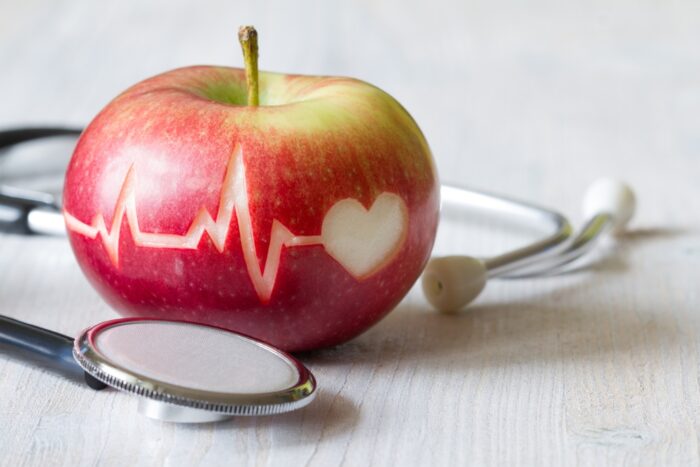
Heart health is essential for a long and active life, and diet plays a crucial role in maintaining the optimal functioning of this vital organ. Choosing the right foods can help reduce cholesterol, blood pressure, and inflammation, thus contributing to the prevention of cardiovascular diseases. Here is a detailed list of the most beneficial foods for heart health and the reasons why they are essential.
1. Fatty Fish
Fish such as salmon, mackerel, sardines, and tuna are rich in omega-3 fatty acids, which help to:
Reduce inflammation.
Lower triglyceride levels.
Improve artery elasticity.
Decrease the risk of cardiac arrhythmias.
It is recommended to consume two servings of fatty fish per week.
2. Berries
Blueberries, raspberries, blackberries, and strawberries are rich in antioxidants, such as anthocyanins, which:
Combat oxidative stress.
Reduce inflammation.
Improve vascular function.
Berries are also low in calories and high in fiber, making them ideal for a heart-healthy diet.
3. Leafy Green Vegetables
Spinach, kale, arugula, and broccoli are excellent sources of:
Vitamin K, which helps prevent artery calcification.
Natural nitrates, which can lower blood pressure and improve blood circulation.
These vegetables are also rich in antioxidants and fiber, contributing to overall heart health.
4. Oats and Whole Grains
Oats contain beta-glucans, a type of soluble fiber that:
Lowers LDL cholesterol levels.
Reduces fat absorption in the blood.
Whole grains such as quinoa, barley, and buckwheat are also beneficial for maintaining heart health due to their high fiber and nutrient content.
5. Nuts and Seeds
Walnuts, almonds, chia seeds, and flaxseeds are excellent sources of:
Healthy fats (omega-3 and omega-6).
Fiber and phytosterols, which lower cholesterol.
Magnesium, an essential mineral for relaxing blood vessels.
Consuming about 30 grams of nuts per day can help reduce the risk of cardiovascular diseases.
6. Extra Virgin Olive Oil
This oil is rich in monounsaturated fats and antioxidants such as polyphenols, which:
Reduce inflammation.
Improve blood vessel function.
Lower the risk of atherosclerosis.
It is recommended to use it as a base for salads or for cooking at low temperatures.
7. Legumes
Beans, lentils, chickpeas, and peas are excellent for heart health due to:
Their high fiber content, which helps lower cholesterol.
Their low glycemic index, which keeps blood sugar levels stable.
Plant proteins, which can replace meat proteins.
8. Avocado
This fruit is an excellent source of:
Monounsaturated fats, which lower LDL cholesterol.
Potassium, which helps regulate blood pressure.
Regular consumption of avocado can support heart health and help maintain body weight.
9. Tomatoes
Rich in lycopene, a powerful antioxidant, tomatoes:
Combat free radicals.
Improve cholesterol levels.
Reduce the risk of high blood pressure.
They are more beneficial when cooked lightly, as the cooking process releases more lycopene.
10. Dark Chocolate
With a high cocoa content (at least 70%), dark chocolate is rich in flavonoids, which:
Improve blood circulation.
Lower blood pressure.
Decrease the risk of blood clot formation.
Moderation is essential, as chocolate also contains calories.
11. Green Tea
This type of tea contains powerful antioxidants, such as catechins, which:
Reduce inflammation.
Improve blood vessel health.
Contribute to lowering LDL cholesterol.
Two to three cups of green tea per day are ideal for heart health.
12. Garlic
Garlic contains allicin, an active compound that:
Helps lower blood pressure.
Reduces arterial stiffness.
Prevents the buildup of cholesterol plaques.
Consuming raw garlic or in supplement form can be beneficial for the heart.
13. Oranges and Citrus Fruits
Rich in vitamin C and flavonoids, citrus fruits:
Strengthen blood vessel walls.
Reduce the risk of hypertension.
Combat chronic inflammation.
Conclusion
Adopting a diet rich in heart-healthy foods, such as those listed above, can make a significant difference in preventing cardiovascular diseases. Combined with an active lifestyle, stress reduction, and avoiding smoking, these foods contribute to maintaining cardiovascular health in the long term.




