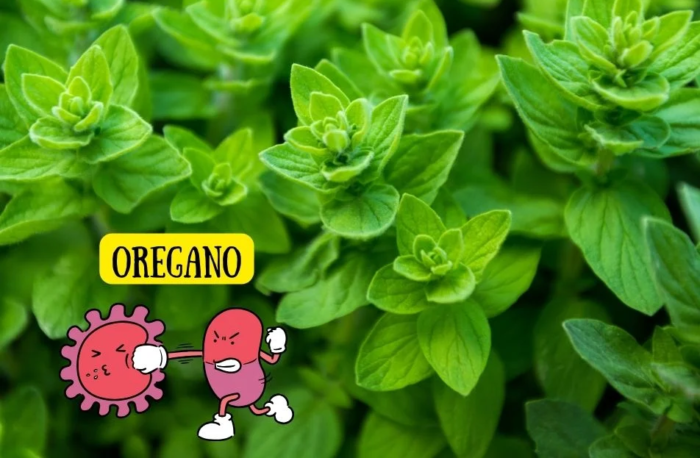
Before the discovery and widespread use of antibiotics, people had natural remedies at their disposal to combat infections and support the immune system. Among the most commonly used plants with antibacterial and antifungal properties is oregano essential oil. This plant has been used for centuries due to its power to fight various ailments, being considered a true natural antibiotic.
Scientific Studies and Research
Recent studies have confirmed the effectiveness of oregano in combating various types of bacteria and fungi. In a study published in 2001, researchers found that oregano essential oil has a broad spectrum of antibacterial activity, being effective against some bacterial strains resistant to conventional antibiotics. Among these is Staphylococcus aureus, a bacterium responsible for severe infections.
Another study conducted in 2013, published in the journal Frontiers in Microbiology, showed that oregano oil can inhibit the growth of certain bacterial strains and can even help reduce inflammation, thus providing a dual benefit: treatment and protection.
Properties and Benefits
Oregano is rich in active compounds such as carvacrol and thymol, which are responsible for its antibacterial and antifungal properties. These substances have been shown to have the ability to destroy bacterial membranes, making oregano effective in combating infections of various types.
Additionally, oregano is also used to support the immune system due to its high content of antioxidants, especially polyphenols and flavonoids.
Traditional Recipe with Oregano for Respiratory Infections
One of the most popular ways to use oregano in the past was in the form of infusion or tincture, especially for combating respiratory infections such as colds or coughs.
Ingredients:
- 2 tablespoons of dried oregano leaves
- 250 ml hot water
- 1 tablespoon of honey (optional, for a sweeter taste)
- 1 tablespoon of lemon juice (optional, for an extra boost of vitamin C)
Preparation Method:
- Place the dried oregano leaves in a cup.
- Pour hot water over them and let steep for 10-15 minutes.
- Strain the infusion and add honey and lemon juice, if desired.
- Drink 1-2 cups a day, especially when you feel the first signs of a cold or cough.
How to Use Oregano Correctly
- Infusion or tea: This is a simple way to use oregano to support the respiratory system. You can drink one cup a day.
- Oregano essential oil: Oregano essential oil can be applied diluted on the skin to treat local infections or can be used in inhalations to help decongest the airways.
- Oregano tincture: A concentrated tincture can be taken in small doses (about 10-15 drops 2-3 times a day), but it should be used with caution as it is very concentrated.
Precautions and Contraindications
Even though oregano is an effective natural remedy, it should be used in moderation. Oregano essential oil is very potent and should not be applied directly to the skin without dilution. Additionally, its use is not recommended during pregnancy or breastfeeding without the advice of a specialist.
Substitutes for Sugar in Recipes
Although traditional recipes with honey can add a pleasant taste, for those who wish to avoid sugar, natural sweeteners such as stevia or maple syrup can also be used.
Oregano is a plant with scientifically proven antibacterial and antifungal properties that has been used throughout history as a natural remedy against infections. Even today, it is a valuable ally in the fight against bacteria and supports overall health. Replacing some antibiotics with natural plants can be a viable option, especially in the case of mild ailments or for their prevention. However, it is important to consult a doctor before adopting natural treatments.




