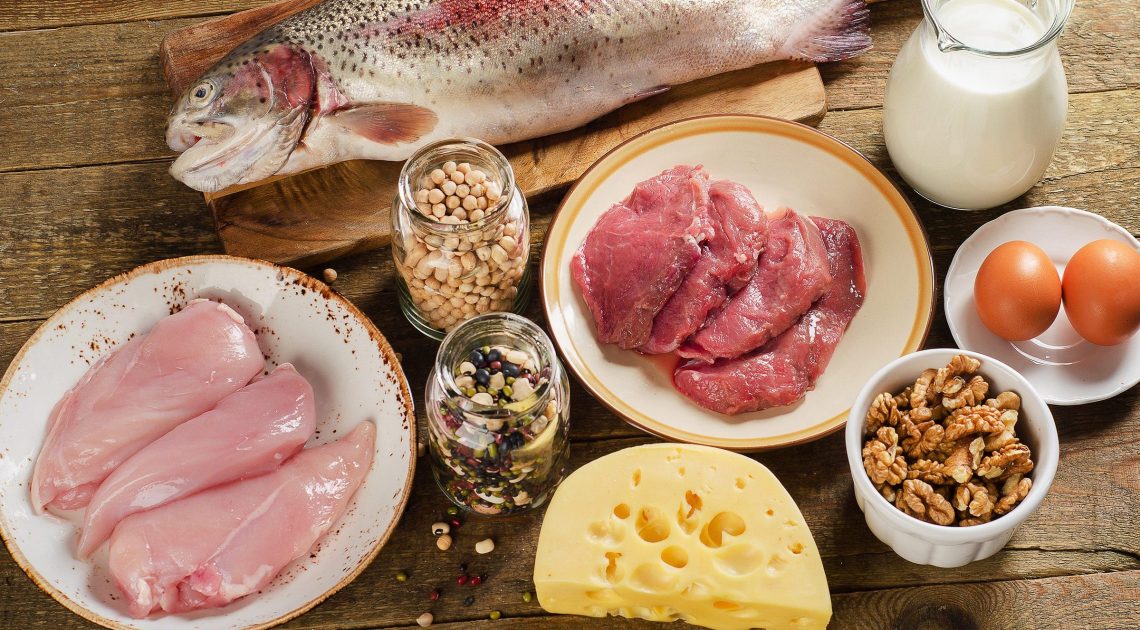
When it comes to a healthy, balanced diet, a common question is: How many proteins do I need each day?
Protein-rich foods are essential for building muscles, burning fat, supporting metabolism, and even for strengthening the health of certain organs, such as the thyroid and adrenal glands. In other words, we need proteins to be healthy.
How much protein should you consume daily? It really depends on your specific health goals and other factors.
How much protein do you need? (How to determine protein intake)
To discuss how many grams of protein you need per day, it is useful to break it down into three categories or questions:
How much protein do you need to support healing and regeneration of the body?
How much protein do you need to burn fat?
How much protein do you need to build muscle?
In general, if you just want to support overall health and longevity, it is ideal to consume approximately 1 to 1.3 grams of protein per kilogram of body weight per day.
In the second scenario, let’s assume you are trying to lose body fat and looking for the right foods to burn fat. This will increase your protein needs.
Many people (especially women) who hope to lose body fat actually have a protein deficiency, which is why it is recommended to consume about 1.5 to 1.7 grams of protein per kilogram of body weight daily to burn fat and lose weight.
In the third scenario, if you are trying to build muscle mass, you should consume approximately 2 grams of protein per kilogram of body weight per day.
In short, to determine how much protein you need in a day depends on your health and fitness goals, so use these general recommendations to help you find the right protein intake for you.
Benefits of Proteins
Proteins are not only important for building lean muscle tissue, but they are also essential for the functioning of organs. In fact, many of your organs, cells, and tissues need proteins for proper regeneration. Here is a breakdown of the benefits of adequate protein intake:
1. Increases Muscle Mass
Increasing protein intake will increase muscle mass while simultaneously supporting tendons, ligaments, and other tissues in the body. Whether you are focusing on bodybuilding or developing a healthy, toned body, adequate protein intake is essential.
Research also suggests that consuming high-quality meat or plant-based proteins supports muscle recovery and promotes muscle synthesis.
2. Aids in Weight Loss
Research shows that adequate protein intake increases satiety and promotes the retention of lean muscle mass, while simultaneously improving metabolic profile. Protein-rich dietary choices can help you avoid excessive snacking between meals and prevent an increase in total daily calorie intake, which can contribute to weight loss.
3. Improves Mood
Amino acids from protein-rich foods help neurotransmitter function, support hormonal balance, and assist in mood regulation, as demonstrated in studies. This explains why individuals lacking key amino acids may experience mood-related issues such as anxiety, depression, and irritability.
4. Maintains Healthy Blood Sugar Levels
Insulin production depends on adequate protein intake, and unlike foods high in carbohydrates or sugar, proteins do not lead to fluctuations in blood sugar levels. Research suggests that dietary proteins can slow down and absorb sugar during meals.
5. Supports Bone Health
Studies indicate a positive association between the consumption of more protein-rich foods and better bone health. Adequate protein intake helps in the healing of broken bones and improves bone density.
6. Supports Cardiovascular Health
Research shows that protein intake is linked to a reduced risk of heart disease, and a protein-rich diet may help lower high blood pressure.
7. Promotes Healthy Brain Function
Amino acids are necessary for producing hormones, neurotransmitters, and enzymes that are essential for cognitive function. Studies indicate that the brain requires a constant supply of amino acids to maintain healthy energy levels, focus, and concentration.
The Best Sources
Now that you know protein intake is associated with nearly every function of the body, you may wonder about the best sources of protein for a healthy diet. You can increase your protein intake with both plant-based foods and meats.
Here are some of the best foods for a healthy protein-rich diet:
Grass-fed beef
Organic chicken breast
Whey protein powder
Lentils
Wild-caught salmon
White beans
Black beans
Natto
Hemp seed protein powder
Kefir
Whole grain oats
Collagen protein powder
Nutritional yeast
Eggs
Goat cheese
Yogurt
Almonds
Too Much or Too Little (Risks and Side Effects)
According to the U.S. Department of Agriculture, the recommended protein intake for adults at an average weight and activity level is 56 grams daily for men and 46 grams daily for women. This is the minimum necessary protein intake, and the amount can increase based on your goals.
It is ideal to consume smaller amounts of protein throughout the day, rather than getting your protein needs in one or two meals. This allows your body to utilize what it needs throughout the day instead of storing what is not used as fat.
It is true that consuming very high levels of protein is correlated with some health risks. If you do not reduce calories from carbohydrates while increasing calorie intake from proteins, you may experience weight gain instead of weight loss.
Very high protein intake can also cause digestive issues, including constipation, intestinal problems, and fluctuations in blood sugar levels.
Ultimately, it is important to maintain a healthy, well-balanced diet that does not completely neglect any nutrient. This will ensure that you obtain the micronutrients and macronutrients you need for optimal health.
Ideally, it is recommended to consult a nutritionist to determine the exact amount of protein necessary for your body based on your desired goals.




