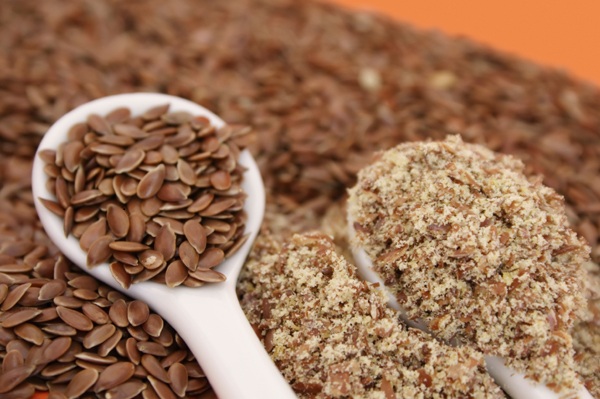
Combining ground flaxseeds with yogurt in the morning has become a popular habit among both nutritionists and individuals following a balanced diet. Behind this simple act lies an impressive array of benefits for the body, supported by scientific research. Here’s why you should make this addition to your daily routine!
1. Digestive Balance Right in the Morning
Flaxseeds are an excellent source of soluble and insoluble fibers. When consumed ground, they release mucilage that forms a gel in the intestines, contributing to:
- regulating intestinal transit, especially in cases of chronic constipation;
- nourishing beneficial gut flora, in combination with the probiotics in yogurt;
- maintaining an anti-inflammatory intestinal environment, according to a study published in Nutrition Research Reviews.
A 2015 study showed that a diet rich in soluble fibers contributes to reducing chronic intestinal inflammation and improving nutrient absorption.
2. Valuable Source of Omega-3 Fatty Acids
Flaxseeds are the richest plant source of ALA (alpha-linolenic acid), an essential Omega-3 fatty acid. When ground, the body can absorb these beneficial fats much more easily. In combination with the healthy fats in yogurt, ALA contributes to:
- reducing systemic inflammation;
- protecting blood vessels;
- balancing hormones, especially in women, according to the Journal of Nutrition.
ALA fatty acids can also help regulate blood pressure and LDL cholesterol levels.
3. Prolonged Satiety and Weight Control
The combination of protein (from yogurt) and fiber (from ground flaxseeds) creates a lasting feeling of fullness. This:
- reduces the need for unhealthy snacks during the morning;
- maintains stable blood sugar levels, avoiding energy crashes;
- may support metabolism in the weight loss process.
Studies published in Appetite show that meals rich in fiber and protein can reduce total caloric intake throughout the day by up to 20%.
4. Antioxidant and Protective Effects
Flaxseeds contain lignans, phytochemicals with proven antioxidant effects. These substances:
- protect cells against oxidative stress;
- may reduce the risk of chronic diseases, such as type 2 diabetes and certain types of cancer;
- support hormonal health in women, being considered natural phytoestrogens.
An article in the American Journal of Clinical Nutrition states that regular intake of lignans reduces the risk of breast cancer by up to 18%.
5. Beneficial Effects on Cholesterol
Ground flaxseeds help to:
- lower total cholesterol and LDL fraction;
- increase good HDL cholesterol;
- prevent the formation of atheromatous plaques in arteries.
In a meta-analysis published in Clinical Nutrition, consuming 30 g of flaxseeds daily significantly reduced LDL cholesterol in just 3 months.
Contraindications and Precautions
Although extremely beneficial, flaxseeds are not suitable for everyone:
- Not recommended in cases of intestinal obstructions or diverticulitis, due to their high fiber content.
- Individuals on anticoagulant treatments should consult a doctor, as ALA may interact with blood coagulation.
- Pregnant or breastfeeding women should seek medical advice due to the phytoestrogenic effect of lignans.
- Excessive intake may cause bloating or intestinal discomfort; the ideal dose is 1-2 tablespoons per day.
How to Properly Prepare Yogurt with Flaxseeds?
Use freshly ground flaxseeds (not whole, as the body does not digest them efficiently).
Add 1 tablespoon to plain yogurt, preferably Greek yogurt or yogurt with probiotics.
You can add cinnamon, fresh fruits, or a bit of honey if you desire a more pleasant taste.
Adding ground flaxseeds to your morning yogurt is a simple act with complex effects: it supports digestion, balances hormones, provides energy, and offers antioxidant protection. A suitable combination for those who want to start the day with a real boost for their health!
Sources:
- Nutrition Research Reviews – Dietary fibre and bowel function
- Journal of Nutrition – Alpha-Linolenic Acid and Cardiovascular Disease
- Appetite – Fibre and protein intake impact on energy intake
- American Journal of Clinical Nutrition – Lignans and breast cancer risk
- Clinical Nutrition – Flaxseed consumption and serum lipid profile: a meta-analysis




