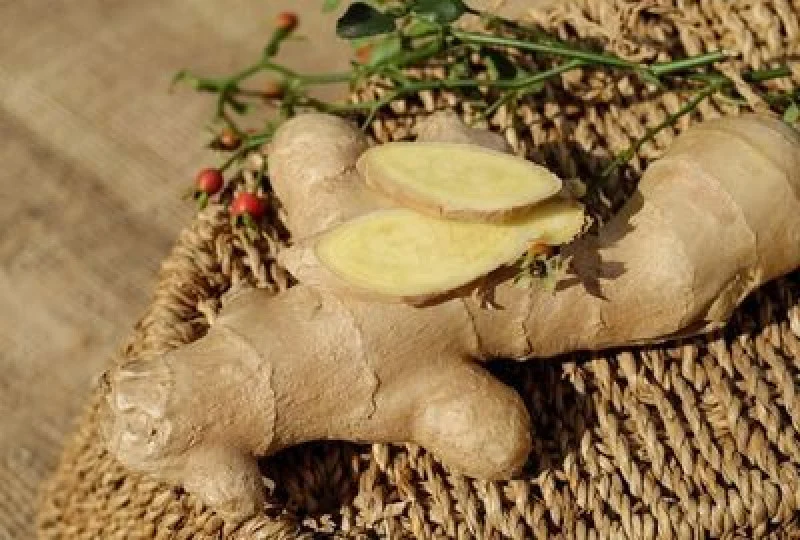
Ginger, known for its anti-inflammatory and digestive properties, is often used in teas, juices, or capsules. However, when combined with anticoagulant medications (such as Warfarin, Apixaban, or Clopidogrel), it can become dangerous.
What Do Doctors Say?
Dr. Sarah Brewer, a physician and author of several works on nutrition and pharmacology, warns:
Ginger has a natural anticoagulant effect, and combining it with anticoagulant medications can amplify the risk of bleeding.
In turn, the American Pharmacists Association (APhA) notes that ginger can interfere with blood coagulation time and can intensify the effects of anticoagulant medications, leading to excessive internal or external bleeding.
What Do Studies Say?
- Clinical Pharmacology Journal:
A study analyzing the interactions between ginger and Warfarin found that daily consumption of ginger in the form of tea or capsules can prolong prothrombin time (a measure of coagulation), increasing the risk of hemorrhage. - Study Published in Thrombosis Research:
It was observed that patients using ginger supplements alongside anticoagulants had a higher rate of bruising, gum bleeding, and epistaxis (nosebleeds) compared to the control group. - In Vitro Study (2018, International Journal of Molecular Sciences):
Ginger extract demonstrated a significant reduction in platelet aggregation, an action similar to that of anticoagulant medications.
What Can Happen If You Combine Them?
- Frequent nosebleeds may occur, especially in the morning.
- Extensive bruising can form, even from minor trauma.
- The risk of gastrointestinal bleeding significantly increases.
- In severe cases: internal bleeding, hemorrhagic stroke, or even death.
Who Should Avoid Ginger?
Individuals who:
- are taking oral or injectable anticoagulants
- have coagulation disorders (thrombocytopenia, hemophilia, etc.)
- have recently undergone surgery
- are scheduled for a dental extraction or surgery
What Should You Do Instead?
- Consult your doctor or pharmacist before taking ginger supplements.
- If you still wish to consume ginger tea occasionally, discuss the dosage with a specialist; generally, a maximum of 1-2 thin slices per cup is recommended, every few days.
- Avoid concentrated ginger capsules, which have a stronger effect than the raw form.
Ginger is a valuable natural remedy, but it is not harmless in every combination. If you are undergoing treatment with anticoagulants, it is essential to avoid ginger in large or regular doses. Prevention saves lives—discuss any supplements with your healthcare provider!
Sources:
- healthline.com Can You Take Ginger With Blood Thinners?
- pubmed.ncbi.nlm.nih.gov Interactions between Warfarin and Herbs like Ginger
- pharmacists.org Herbal Supplements and Anticoagulants: What You Should Know




