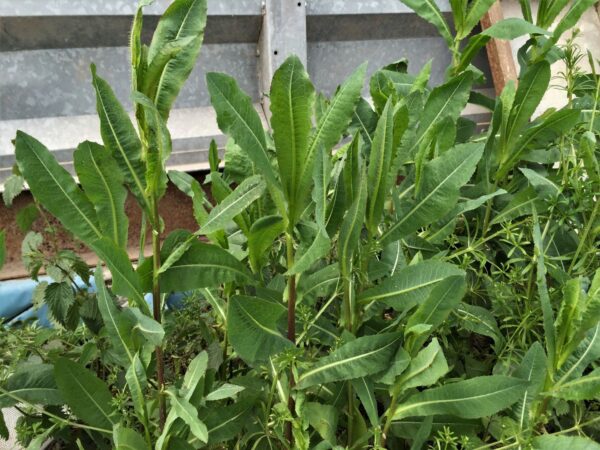
You may think of wild lettuce as an ordinary plant that often grows spontaneously at the edges of gardens, but it can hide a true treasure of beneficial substances for the body within its leaves. Wild lettuce (Lactuca virosa), also known as vegetable opium, is one of the most valuable medicinal plants that has been overlooked but is being rediscovered by researchers for its calming, anti-inflammatory, and detoxifying properties.
Chemical Composition and Active Substances
Wild lettuce contains:
-
Lactucin and lactucopicrin: bitter substances with proven sedative and analgesic effects
-
Flavonoids: with antioxidant and anti-inflammatory roles
-
Volatile oils, mucilages, tannins, and triterpenes
-
Vitamins: A, C, and some from the B complex
-
Minerals: calcium, magnesium, iron
These components give the plant a calming effect on the nervous system, as well as an active role in combating inflammation and pain.
Benefits and Mechanism of Action
Natural Calming Agent for the Nervous System
The bitter principles in the sap have a mild sedative effect, similar to that of opiates, but without creating dependency. It is used for:
-
insomnia
-
anxiety
-
irritability
-
restless sleep in children and adults
According to a study published in Journal of Ethnopharmacology (2011), extracts from Lactuca virosa demonstrated effects comparable to diazepam in reducing stress and inducing sleep, but with fewer side effects.
Pain Relief and Anti-inflammatory
Wild lettuce has proven analgesic effects, especially for chronic pain (rheumatism, muscle pain, migraines). Lactucopicrin acts on pain receptors in the brain, temporarily blocking the perception of pain.
Study: Analgesic activity of lactucin and its derivatives, Planta Medica, 2009
Mild Detoxifying and Diuretic
Regular consumption of tea made from dried leaves helps eliminate toxins from the liver and kidneys, also having a mild laxative effect without irritating the intestines.
Relieves Asthma and Dry Cough
Due to its antispasmodic and calming action on mucous membranes, the infusion is useful in cases of:
-
persistent irritating cough
-
bronchitis
-
nervous asthma
How to Use Wild Lettuce
1. Tea from Dried Leaves
-
1 tablespoon of dried leaves in 250 ml of boiling water
-
Infuse for 10 minutes
-
Drink 1-2 cups a day, in the evening for a sedative effect
2. Tincture
-
Prepare from 20 g of crushed plant and 100 ml of 40% alcohol
-
Let it macerate for 14 days, then strain
-
Administer a few drops in a little water in the evening for calming or pain relief
3. Cough Syrup
-
2 tablespoons of crushed fresh leaves
-
Boil with 250 ml of water for 5 minutes
-
Add honey after cooling
-
Take 1 tablespoon 2-3 times a day
Contraindications and Precautions
-
Contraindicated during pregnancy and breastfeeding (uterotonic and hormonal effects)
-
Not to be administered to children under 3 years
-
Avoid in cases of severe depression or psychotropic treatments
-
May interact with sedatives or sleeping pills; do not combine without medical advice
-
In large doses, it may cause dizziness or pronounced drowsiness
Scientific Sources
-
Analgesic activity of lactucin and its derivatives Planta Medica
-
Sedative and anxiolytic activity of Lactuca virosa Journal of Ethnopharmacology
-
Medicinal Plants of the World Ben-Erik van Wyk
-
Lactuca Virosa Uses and Warnings




