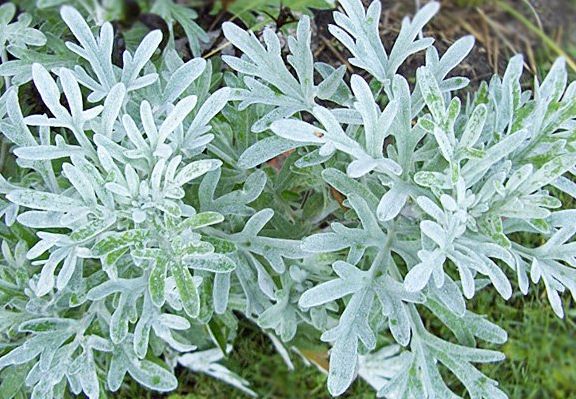
You may have heard that wormwood is related to absinthe, the green alcoholic beverage popular in the 19th century, associated with famous writers and artists such as Vincent Van Gogh, Ernest Hemingway, Oscar Wilde, and Edgar Allan Poe.
Wormwood is used to eliminate intestinal worms. Fortunately, parasites can be treated with natural remedies. Wormwood, black walnut, and cloves are commonly used together to combat a parasitic infection. When these three ingredients are used together, they can affect the life cycle of a parasite. Scientific research shows that wormwood can even kill cancer cells.
It can also be used to treat anorexia, insomnia, anemia, lack of appetite, flatulence, stomach pain, jaundice, and indigestion. In addition to bacteria, wormwood can kill parasitic fungi. The essential oil distilled from the aerial parts of the plant has inhibited the development of a wide range of fungi. Wormwood essential oil has also demonstrated antioxidant properties during tests.
Wormwood contains bitter substances (absinthin, artabsin, anabsinthin, etc.), volatile oil, carotenoid compounds, phytosterols, lactones, organic acids, and vitamins B6 and C.
Harmful organisms pose a serious health risk and can contaminate food and water. Wormwood contains many compounds that create an environment that discourages these organisms.
It contains compounds known for stimulating digestion by supporting liver and gallbladder function. The benefit is amplified when combined with other digestive plants, such as mint or ginger.
It supports healthy circulation and soothes irritation. Research shows it may even have neuroprotective properties.
Like many other plants, wormwood is a concentrated source of antioxidants. Antioxidant activity supports wound healing.
We must not forget wormwood’s role in treating diabetes, as this plant also has depurative qualities. Wormwood stimulates the body’s resistance, making it indicated in the treatment of infectious diseases (flu, pneumonia).
Many people turn to alternative treatments when they want to heal gastrointestinal ailments. Studies show that herbal remedies, including those based on wormwood, are very effective, sometimes even better than medications, in combating symptoms of bacterial overgrowth in the small intestine.
When used externally, wormwood can be one of the best remedies for pain. Alcoholic wormwood tincture, when applied externally, has an excellent effect in alleviating muscle pain, joint swelling, and arthritis.
Alcoholic Wormwood Tincture:
– one and a half cups of finely chopped wormwood
– 8 tablespoons of crushed wormwood
– 2 cups of whiskey
Combine the ingredients in a jar and let it macerate for 11 days. Shake the jar daily; on the last day, let the plants settle at the bottom of the jar, then carefully strain through a fine cloth or coffee filter. Store in a dark-colored bottle in a cool, dimly lit place. For pain, apply just a single drop; wormwood has the power to immediately alleviate pain. Wormwood oil is equally potent.
Attention! It should be administered with caution due to the toxicity of thujone, especially when taken on an empty stomach or in cases of gastric atony, and in inflammation of the gastrointestinal mucosa. It is not recommended for pregnant women, nursing mothers, or those suffering from ulcers.




