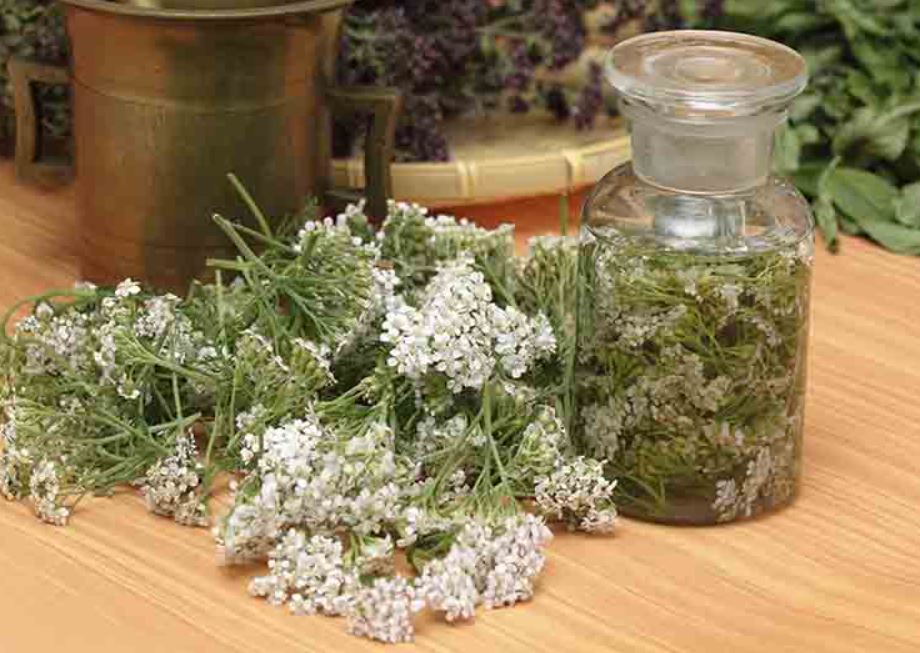
Hormonal imbalances can profoundly affect health, both in women and men. Chronic fatigue, irregular menstrual cycles, hot flashes, sleep disturbances, or irritability are just a few of the signals sent by the body. In natural medicine, two plants unite their powers for the natural regulation of the endocrine system: yarrow (Achillea millefolium) and sage (Salvia officinalis). Combined in tincture form, they can effectively and gently support hormonal balance.
Active Ingredients and Mechanism of Action
Yarrow contains flavonoids, tannins, sesquiterpene lactones, volatile oils, and other compounds with anti-inflammatory, weak estrogenic, and wound-healing effects. This plant has a remarkable influence on the uterus and the regulation of the menstrual cycle, acting beneficially in dysmenorrhea, heavy bleeding, or menopause.
Sage, known for its content of phytohormones (especially phytoestrogens), essential oil rich in thujone and cineole, flavonoids, and phenolic acids, has antispasmodic, anti-inflammatory, and emmenagogue properties. It is one of the most commonly used plants in the therapy of hot flashes, excessive sweating, and hormonal instability associated with perimenopause.
Synergistic Effects
The combination of these two plants:
-
regulates ovarian hormone secretions;
-
reduces pelvic inflammation;
-
normalizes menstrual flow;
-
calms symptoms associated with menopause (hot flashes, irritability, insomnia);
-
may also be useful in polycystic ovary syndrome (PCOS) or in cases of functional amenorrhea.
Recipe for Yarrow and Sage Tincture
Ingredients:
-
50 g dried yarrow flowers
-
50 g dried sage leaves
-
500 ml food-grade alcohol (40-45%, quality vodka or diluted double-refined alcohol)
-
a dark glass jar with an airtight lid
Preparation:
-
Place the plants in a dry, clean jar.
-
Pour the alcohol over the plants until they are completely covered.
-
Seal tightly and let it macerate for 14 days in a cool, dark place, shaking daily.
-
After 14 days, strain through double cheesecloth, squeezing the plants well, and store the tincture in dark glass bottles.
Administration:
-
Women: 30 drops, 3 times a day, diluted in a little water, 15 minutes before meals, in courses of 3 weeks, followed by a 7-day break.
-
Men (for balancing adrenal and thyroid gland functions): 20 drops, 2 times a day, for 3 weeks with a 1-week break.
Relevant Studies and Research
Effects of Yarrow (Achillea millefolium) on the Menstrual Cycle Disorders study published in Journal of Obstetrics and Gynaecology, 2021, shows the efficacy of the plant in regulating menstrual pain and flow.
Salvia officinalis L. A Review of its Phytochemistry and Biological Activities review in Phytotherapy Research, 2020, indicates the beneficial effects of sage on menopausal symptoms due to its phytoestrogen content.
Herbal remedies for menopausal symptoms: A systematic review in Maturitas, 2022, includes sage and yarrow among the recommended plants for reducing hormonal imbalances compared to the risks of conventional hormone therapy.
Contraindications
-
Contraindicated in pregnancy and lactation (estrogenic and uterotonic effects).
-
Individuals with severe hypertension, epilepsy, endometriosis, or estrogen-dependent cancer should consult a doctor before administration.
-
Sage contains thujone, which in high doses can cause neurotoxic effects. It should not be administered long-term without regular breaks.
Sources:
-
Journal of Obstetrics and Gynaecology Effects of Yarrow (Achillea millefolium) on the Menstrual Cycle Disorders
-
Phytotherapy Research Salvia officinalis L. A Review of its Phytochemistry and Biological Activities
-
Maturitas Herbal remedies for menopausal symptoms: A systematic review




