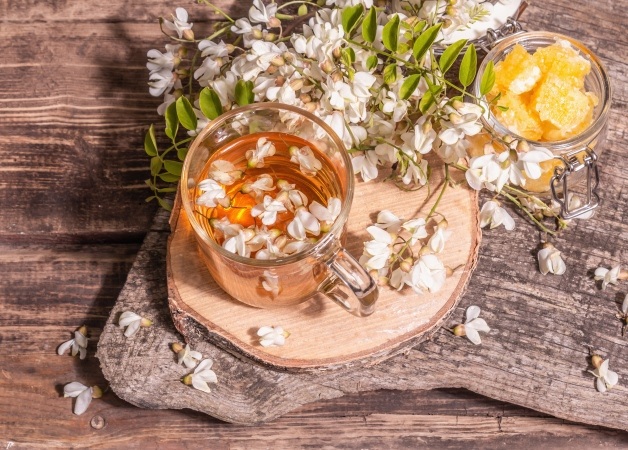
The fragrant flowers of the white acacia (Robinia pseudoacacia) are not only a symbol of spring but also a gentle remedy with proven therapeutic action for a variety of ailments. They are used to prepare a pleasant-tasting, calming tea, ideal for individuals with digestive issues, nervousness, or irritating coughs.
Chemical Composition of Acacia Flowers
Acacia flowers contain:
- Flavonoids (kaempferol, quercetin) – powerful antioxidants
- Glycosides – with emollient and antispasmodic effects
- Volatile oils – with calming action
- Tannins – useful in mucosal inflammations
- Mucilages – which protect the digestive tract
How to Prepare Acacia Flower Tea
Ingredients:
- 1 tablespoon of dried acacia flowers (unsweetened, from a reliable source)
- 250 ml boiling water
Preparation Method:
- Pour boiling water over the acacia flowers.
- Cover and let steep for 10-15 minutes.
- Strain and consume warm, plain or with a tablespoon of honey (optional).
You can consume 1-2 cups per day, preferably between meals.
Proven Benefits of Acacia Flower Tea
1. Soothes Irritated Stomach, Bloating, and Gastric Burns
Acacia flowers contain mucilages and flavonoids that protect the gastric mucosa and reduce local inflammation. The tea has a gentle alkalizing effect, being useful in:
- Hyperacid gastritis
- Gastroesophageal reflux
- Early-stage gastric ulcer (in uncomplicated phases)
A study published in the Journal of Herbal Pharmacotherapy highlighted the emollient action of the flowers on digestive mucosa, promoting regeneration and reducing acid secretion.
2. Reduces Stress and Supports Peaceful Sleep
The volatile oils contained in acacia flowers have mild sedative and anxiolytic effects. Drinking the tea in the evening can reduce:
- nervous tension,
- irritability,
- sleep disturbances (mild insomnia).
It is a natural alternative to valerian or linden teas, especially for individuals with slow digestion associated with stress. It can also be useful in states of fatigue or mental exhaustion.
3. Relieves Irritating Cough and Sore Throat
The mucilages from the dried flowers form a protective layer on the respiratory mucosa. Acacia tea is useful in:
- Dry, persistent cough
- Irritated throat
- Mild laryngitis
- Episodes of hoarseness
It can also be used as a warm gargle to soothe throat pain.
4. Supports Digestion and Relieves Abdominal Cramps
The antispasmodic compounds help relax the smooth muscles of the digestive tract, being effective in:
- Stomach cramps
- Stomach pain caused by stress
- Bloating and flatulence
It is often used in herbal combinations for irritable bowel syndrome.
5. Has Mild Antiallergic Effects
The flavonoids and glycosides have a mild antihistaminic action, making the tea useful in:
- Skin irritations arising from nervousness
- Mild digestive allergic reactions (not severe!)
- Sensitive skin or tendency towards dermatitis.
It is well tolerated by sensitive individuals but does not replace conventional antiallergic treatments.
6. Helps Regulate Systemic Acidity
Due to its alkaline content, regular consumption of acacia tea can support the acid-base balance of the body, useful in:
- Chronic fatigue
- Digestive disorders related to acidosis
- Headaches triggered by excessive gastric acidity
7. Mild Detoxifying and Hepatic Support
Although it is not a strong detoxifier, acacia tea supports liver function by reducing gastric inflammation, which often indirectly affects bile. It is useful:
- after heavy meals
- in gentle detoxification regimens
- as an adjunct in biliary dyskinesia
Contraindications and Precautions
- Do not consume in excess! The flowers contain small amounts of toxins (robin, lectin) that can be irritating in large doses.
- Avoid during pregnancy and breastfeeding, due to a lack of conclusive studies.
- Not recommended for individuals with pollen allergies or other flower allergies.
- Administer with caution to children under 6 years old only with a doctor’s approval.
Sources:
- Evaluation of antioxidant and sedative potential of Robinia pseudoacacia – Iranian J. of Basic Medical Sciences, 2021
- Medicinal Plants of the World – Ivan Ross, vol. 3
- Plant-derived products in digestive disorders – Journal of Ethnopharmacology, 2019
- Medicinal Flowers of Romania – Farmacia Verde, ed. 2022




