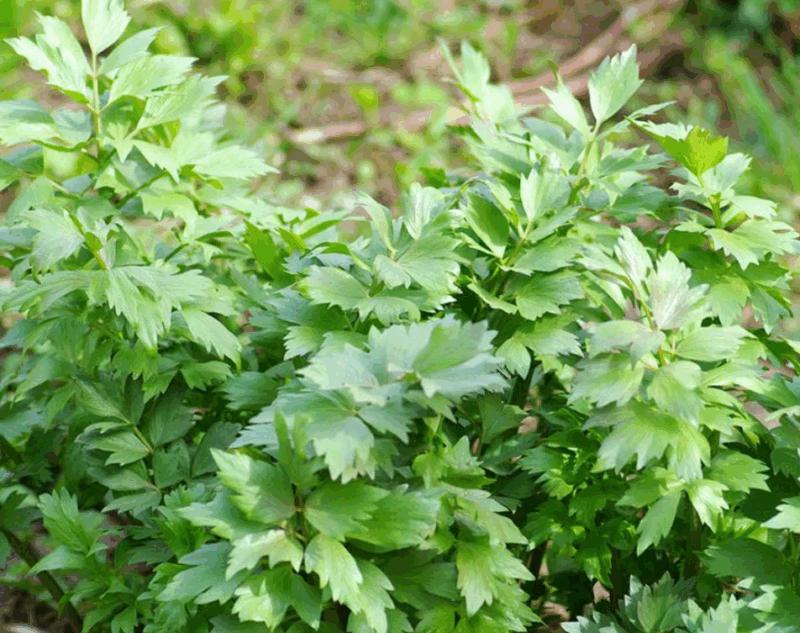
Lovage (Levisticum officinale) is primarily known as an aromatic plant in Romanian cuisine, but few know that in tincture form, it becomes an extremely powerful diuretic remedy. In folk medicine, it was used to combat swollen feet, bloating, and the feeling of heaviness caused by water retention. Its properties are now supported by modern research, which confirms its beneficial effects on kidney function and the lymphatic system.
Benefits of Lovage Tincture
1. Helps eliminate excess water from the body
Lovage contains active compounds such as phthalides, volatile oils, and flavonoids, which stimulate diuresis. This effect leads to an increase in the volume of urine eliminated, thus helping to reduce fluid retention. It is particularly useful during periods of high temperatures when the body tends to retain more water. Additionally, it aids in the elimination of toxins from tissues, reducing peripheral edema. The tincture acts quickly, and effects can be felt within the first few days of administration.
2. Reduces renal inflammation and supports urinary tract health
Lovage tincture has antiseptic and anti-inflammatory effects at the renal and urinary levels. It can prevent urinary infections or be used as an adjunct in their treatment. The active substances reduce inflammation in the urinary tract and promote the elimination of bacteria through increased diuresis. Furthermore, it decreases the risk of forming sand or stones in the kidneys. These effects make it ideal for individuals prone to recurrent infections or renal issues.
3. Improves lymphatic circulation and reduces the feeling of heavy legs
Through its diuretic and detoxifying effect, the tincture supports lymphatic drainage, contributing to the elimination of stagnant fluids. This leads to reduced pressure in the lower limbs and alleviates the sensation of heavy legs. People who stand for long periods or sit for extended times can benefit from this effect. Lovage also acts on capillaries, strengthening their walls and reducing the risk of local inflammation. Combined with proper hydration, the tincture provides a visible effect on overall tone.
4. Supports digestion and reduces bloating
Lovage tincture has a carminative effect, helping to eliminate gas from the digestive tract. It stimulates gastric and biliary secretions, improving the digestive process. By reducing gas and bloating, it contributes to a feeling of lightness and abdominal comfort. It also stimulates intestinal transit. This benefit is particularly important in cases where water retention is accompanied by slow digestion.
5. Aids in the general detoxification of the body
By stimulating urine elimination and acting on the liver and intestines, the tincture helps remove metabolic waste. This process is essential in detoxification regimens or during periods of overexertion of the body (after medications, processed foods, etc.). Lovage tincture thus contributes to a gentle yet effective cleansing of the body. It supports the excretory function of the kidneys and liver. When used regularly, it can reduce chronic fatigue and internal inflammation.
Relevant Studies and Research
A study published in Journal of Ethnopharmacology (2021) analyzed extracts from Levisticum officinale and found a significant diuretic effect in laboratory mice. Administration of the tincture led to an increase in the amount of urine eliminated, without significantly affecting electrolytes in the body. Researchers attributed this effect to the content of phthalides and phenolic compounds, which stimulate nephron activity.
Another study in Phytotherapy Research (2020) evaluated the antimicrobial effects of essential oils extracted from lovage, confirming their action against Escherichia coli and other bacteria involved in urinary infections. This research supports the use of the tincture as an adjunct in the treatment of recurrent urinary tract infections.
Research conducted by the University of Vienna (2018) demonstrated that lovage extract has the ability to stimulate the elimination of uric acid. This effect is important in preventing gout and joint inflammation associated with water retention. The study also showed moderate anti-inflammatory activity, reinforcing the use of the plant as a systemic detoxifier.
In a phytochemical analysis published in Molecules (2019), researchers identified over 30 active compounds in lovage, with beneficial effects on the renal, digestive, and lymphatic systems. A synergy between these compounds was highlighted, explaining the high efficiency of the tincture compared to infusions.
Other experimental studies (published in Herbal Medicine Research and Practice, 2022) showed that lovage has a high antioxidant effect, reducing oxidative stress at the cellular level. This effect supports the health of blood vessels and protects the kidneys from damage caused by free radicals.
How to Prepare Lovage Tincture
Ingredients:
- 50 g fresh lovage leaves (or dried root)
- 250 ml of 40-50% alcohol (vodka or food-grade alcohol)
Preparation:
- Finely chop the leaves or root.
- Place them in a dark glass jar.
- Pour the alcohol over the plant, completely covering it.
- Seal tightly and let it macerate for 14 days, shaking daily.
- After 2 weeks, filter the liquid and store the tincture in dark glass bottles, in a cool place.
How to Consume
- Administer 20-30 drops, 2-3 times a day, diluted in a glass of water.
- Cure for 14-21 days, followed by a 7-day break.
- Can be taken before meals for better digestive and diuretic effects.
Contraindications
- Pregnant or breastfeeding women should avoid lovage tincture.
- Not recommended in cases of severe renal conditions (such as renal failure).
- Individuals with hyperacid gastritis or ulcers may experience gastric irritation upon consumption.
- May interact with diuretic medications; consult a doctor before use.
- Avoid excessive sun exposure during the treatment, as lovage may increase photosensitivity.
Sources:
- Journal of Ethnopharmacology Diuretic activity of Levisticum officinale extracts in mice
- Phytotherapy Research Essential oil from Lovage (Levisticum officinale) and its antimicrobial properties
- Molecules Phytochemical analysis and antioxidant capacity of Levisticum officinale
- University of Vienna Clinical and phytochemical evaluation of Levisticum officinale
- Herbal Medicine Research and Practice Oxidative stress protection by herbal extracts in renal tissue




