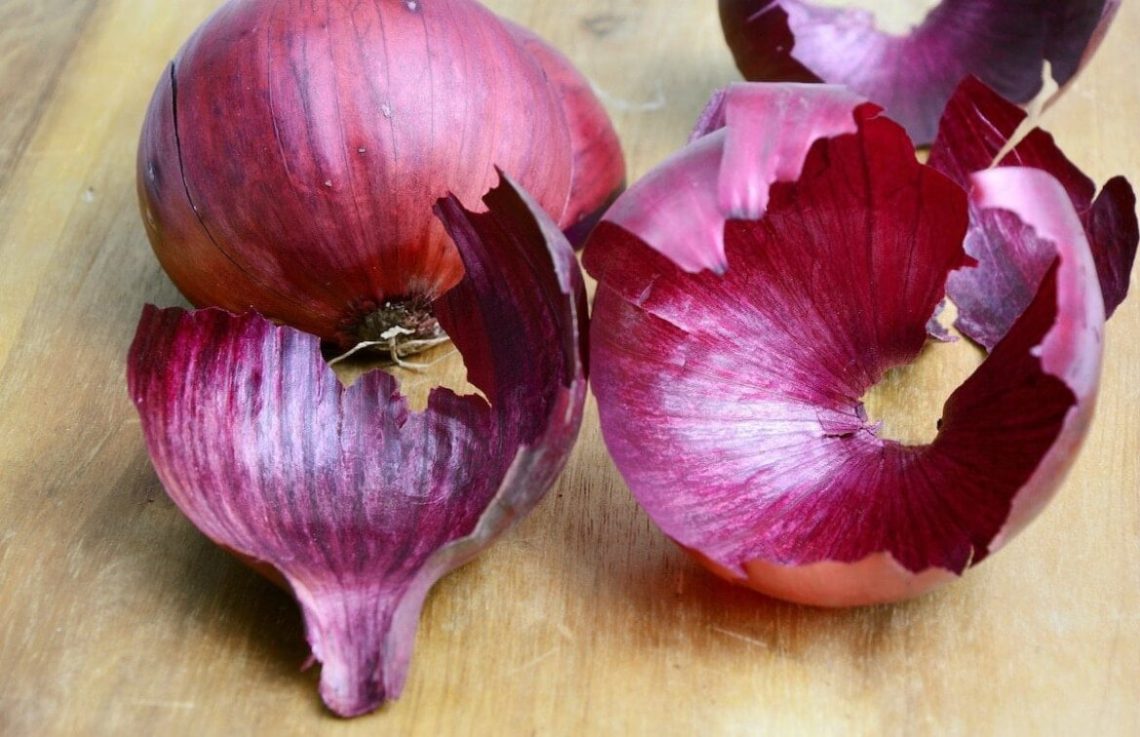
Many people consider the humble onion skins, which often end up in the trash, can be transformed into a valuable natural remedy for cardiovascular health. Modern research has shown that they contain bioactive compounds with vasodilatory, antioxidant, and anti-inflammatory effects. Used as an infusion, this overlooked resource becomes a surprising ally for the heart.
Benefits of Onion Skin Infusion for the Heart
1. Reduces Blood Pressure Naturally
Onion skins are rich in quercetin, a flavonoid with vasodilatory effects that helps relax blood vessel walls. This contributes to lowering blood pressure without overloading the body. Quercetin also has a mild diuretic effect, promoting the elimination of excess fluids that can contribute to hypertension. Regular consumption of the infusion can support blood pressure regulation in individuals with fluctuating or slightly elevated values. Additionally, it reduces the risk of cardiovascular complications associated with hypertension, such as heart attack or stroke.
2. Supports the Elasticity of Blood Vessels
The polyphenols in onion skins help reduce oxidative stress in the body, which affects the structure of blood vessels. By neutralizing free radicals, these substances protect the vascular endothelium (the inner layer of blood vessels), keeping it healthy and flexible. Vascular elasticity is essential for good circulation and preventing atherosclerosis. Thus, the infusion contributes to maintaining good blood flow, especially to the heart and brain.
3. Improves Peripheral Circulation
Onion skins contain substances that stimulate peripheral circulation and reduce the formation of blood clots. They can help alleviate symptoms associated with poor circulation, such as cold hands and feet or numbness. Quercetin also acts on platelet aggregation, reducing the risk of thrombosis. Therefore, the infusion is especially beneficial for individuals with a genetic predisposition to cardiovascular conditions or those of advanced age.
4. Helps Lower LDL Cholesterol
Some studies indicate that onion skin infusion may help reduce low-density lipoprotein (LDL) cholesterol due to the presence of antioxidants. These prevent the oxidation of fats in the blood, a process that promotes their deposition on arterial walls. By regulating the lipid profile, the risk of arteriosclerosis is reduced, supporting the overall health of the cardiovascular system. Regular consumption can bring significant benefits when combined with a healthy diet.
5. Has Vascular Anti-Inflammatory Effects
Chronic inflammation is one of the main factors in the development of cardiovascular diseases. The substances present in onion skins reduce the levels of inflammatory proteins (such as CRP) in the blood. Thus, the infusion helps combat vascular inflammation, reducing the risk of artery narrowing. This effect is particularly important in preventing chronic heart and large vessel conditions.
Studies and Research
A study published in the journal Phytotherapy Research analyzed the effects of quercetin administration in patients with mild hypertension. After 6 weeks, a significant decrease in systolic blood pressure was observed, especially in obese patients. Quercetin, primarily extracted from onion skins, has been recognized for its role in relaxing blood vessels.
Researchers from Wageningen University (Netherlands) tested the consumption of red onions among over 100 participants, demonstrating an improvement in lipid profiles and a reduction in LDL cholesterol levels. The effects were attributed mainly to the skins, where the most concentrated amounts of polyphenols are found.
Another study published in the Journal of Nutrition showed that the administration of onion skin extract led to a decrease in systemic inflammation and an increase in antioxidant levels in the blood. Participants who consumed the infusion daily had a lower cardiovascular risk than the control group.
In an in vitro study conducted by a team from the University of Naples, it was demonstrated that onion skin extract inhibits platelet aggregation, which can significantly reduce the risk of clot formation.
Preparation of Onion Skin Infusion
Ingredients:
- Skins from 1-2 red onions, well washed
- 250 ml boiling water
Preparation Method:
- Thoroughly wash the onion skins (only the outer, dry part) to remove impurities and pesticide residues.
- Place them in a cup and add 250 ml of boiling water.
- Cover and let steep for 15 minutes.
- Strain and consume warm, plain or with a little lemon juice.
Recommendation: 1-2 cups per day, preferably between meals.
Contraindications
- Pregnancy and breastfeeding: There is not enough data regarding the safety of onion skin infusion during these periods.
- Onion allergy: Individuals with a known allergy to onions should avoid this infusion.
- Anticoagulant medication: It may enhance the effects of blood-thinning medications, such as warfarin or aspirin. Consult a doctor before use.
- Severe kidney conditions: The diuretic effect may interfere with electrolyte balance.
- Surgical procedures: It is recommended to stop consumption 2 weeks before scheduled surgeries due to the anti-aggregating effect.
Sources:
- Phytotherapy Research Effect of quercetin on blood pressure: A meta-analysis
- Journal of Nutrition Onion skin extract decreases inflammation markers in healthy adults
- University of Wageningen The cardiovascular effects of onion consumption
- Journal of Agricultural and Food Chemistry Quercetin content in red onion skin and its bioavailability
- University of Naples Platelet aggregation inhibition by onion peel extract




