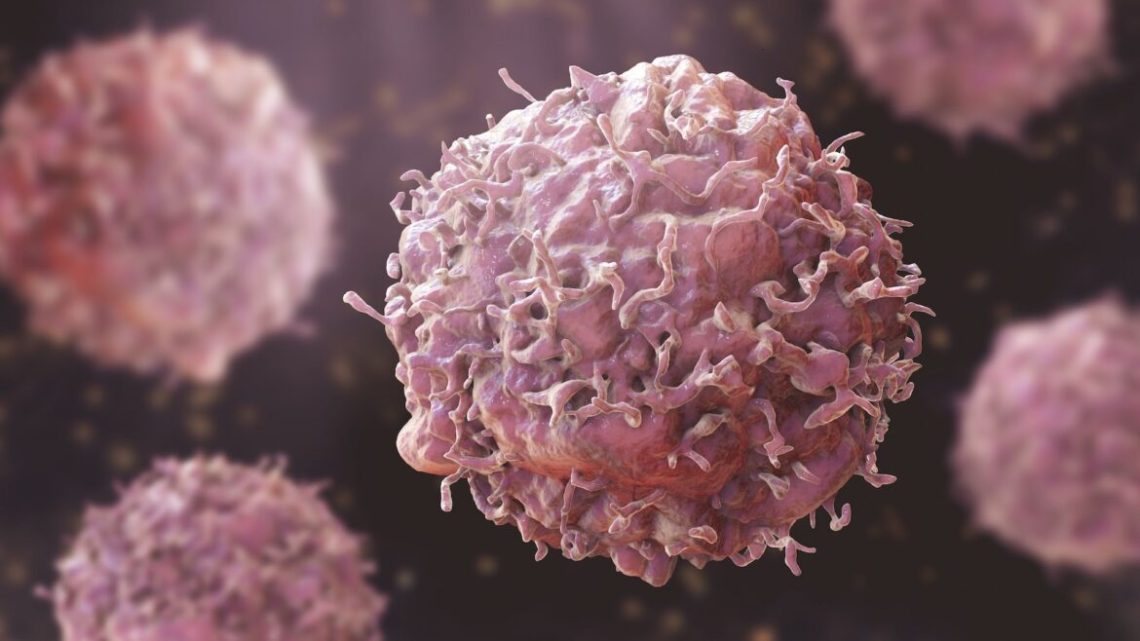
While no natural remedy can replace oncological treatments, more and more research shows that certain plants can support the body in the fight against oxidative stress, inflammation, and abnormal cell multiplication. Phytonutrients from plants, such as polyphenols, flavonoids, and sulfur compounds, can positively influence the cellular mechanisms involved in cancer development. The right combinations of plants can amplify these effects through synergistic action.
Below, you will discover 6 studied and appreciated combinations by researchers, along with their benefits, practical recipes, and correct usage guidelines.
8 Major Benefits of Anticancer Plant Combinations
1 Reduces Oxidative Stress
Plants rich in antioxidants (curcumin, EGCG, sulforaphane) neutralize free radicals that can damage DNA. By reducing oxidative stress, cells are protected from mutations. Extensive studies show that an increased intake of antioxidant plant compounds decreases the risk of cellular damage.
2 Supports Natural Detoxification Processes
Garlic, onion, broccoli, and parsley stimulate phase II liver enzymes, which help eliminate toxic compounds. This process is essential for reducing the body’s exposure to carcinogenic substances.
3 Inhibits Chronic Inflammation
Persistent inflammation can contribute to the onset and development of cancer. Substances such as curcumin, gingerol, and carnosol from rosemary can regulate inflammatory mediators, such as NF-kB and COX-2.
4 Promotes Controlled Death of Abnormal Cells (Apoptosis)
Curcumin, sulforaphane, and withaferin A from Ashwagandha stimulate apoptosis, the mechanism by which the body eliminates damaged cells.
5 Prevents the Formation of New Blood Vessels to Tumors
Certain plants, such as green tea and turmeric, can inhibit angiogenesis—the process by which tumors form their own blood vessels.
6 Strengthens the Immune System
Thyme, ginger, and Moringa support immune function by stimulating the production of NK (natural killer) cells involved in recognizing abnormal cells.
7 Regulates Gene Expression Involved in Cell Proliferation
Polyphenolic compounds can epigenetically influence the expression of genes that control cell division, reducing the risk of uncontrolled multiplication.
8 Can Reduce Side Effects of Oncological Treatments
Through their antioxidant and hepatoprotective actions, some plants can support the body during difficult treatment periods, improving overall condition.
The 6 Plant Combinations with Anticancer Potential
1 Turmeric + Black Pepper + Ginger
Active Substances: curcumin, piperine, gingerol.
Curcumin has remarkable anti-inflammatory and antioxidant effects, while piperine increases absorption by up to 20 times. Ginger adds a protective action on DNA and immune cells.
Recipe: mix 1 g turmeric + a pinch of black pepper + 250 mg ginger; take with a tablespoon of olive oil.
Consumption: 1-2 times/day, after meals, for 4-6 weeks, with a break of 1-2 weeks.
2 Broccoli (Sprouts) + Garlic + Onion + Chili Pepper
Active Substances: sulforaphane, allicin, capsaicin.
This combination supports liver detoxification, inhibits mutagenic enzymes, and stimulates antioxidant enzymes. Sulforaphane from broccoli is one of the most powerful compounds studied against tumor cells.
Recipe: mix 100 g broccoli sprouts, 2 cloves of garlic, 1 onion, 1 chili pepper, 1 tablespoon olive oil, lemon juice.
Consumption: 3-4 times/week, as a raw sauce.
3 Green Tea + Rosemary + Thyme
Active Substances: EGCG, carnosol, carvacrol.
Green tea is an excellent source of catechins with anticancer roles, while rosemary and thyme complement with their antioxidant and immunomodulatory effects.
Recipe: 1 tablespoon green tea, 1 tablespoon rosemary, 1 tablespoon thyme; infuse for 5-7 minutes at 80°C.
Consumption: 2 cups/day, preferably in the morning and at lunch.
4 Parsley + Lemongrass + Ginger
Active Substances: apigenin, citral, gingerol.
Apigenin from parsley and volatile compounds from lemongrass have been shown to be active in inhibiting cell proliferation. Ginger provides anti-inflammatory effects and circulatory stimulation.
Recipe: 1 tablespoon parsley leaves, 1 piece of lemongrass, 1 slice of ginger; boil for 5 minutes, then infuse for 5 minutes.
Consumption: 1-2 cups/day, for 10 consecutive days, followed by a break.
5 Moringa + Turmeric + Black Pepper
Active Substances: niazimicin, curcumin, piperine.
Phytonutrients from Moringa can inhibit cell survival proteins (BCL-2), while curcumin amplifies the anticancer effect.
Recipe: 200 mg Moringa powder + 500 mg turmeric + a pinch of black pepper; mix with a little honey and take after meals.
6 Ashwagandha + Turmeric + Black Pepper
Active Substances: withaferin A, curcumin, piperine.
Withaferin A and curcumin act synergistically on the AKT-1 and BCL-2 cellular pathways, promoting apoptosis.
Recipe: 300 mg Ashwagandha extract + 500 mg turmeric + a pinch of black pepper; administer with food.
Explained Scientific Studies
1 Frontiers in Pharmacology (2019): Curcumin inhibits inflammation and induces apoptosis by modulating NF-kB and p53. The study details the molecular mechanisms by which curcumin limits the proliferation of cancer cells and enhances the effect of radiotherapy.
2 Frontiers in Oncology (2023): Sulforaphane from broccoli supports detoxification, protects DNA, and reduces the expression of pro-inflammatory genes. In cellular experiments, it demonstrated a significant reduction in mutations.
3 MDPI (2024): The study on the synergy of anticancer plants shows that piperine increases the bioavailability of curcumin, while ginger reduces oxidative stress induced by treatment.
4 Arxiv (2025): Computational modeling of compounds from Moringa demonstrated direct interactions with the BCL-2 protein, explaining the pro-apoptotic action.
5 Cancer.osu.edu: Rosemary and thyme are sources of carnosol and carvacrol, substances that reduce tumor proliferation and stimulate the immune system.
Contraindications
- Avoid using plants alongside oncological treatments without medical advice.
- Individuals with liver conditions, gastritis, ulcers, pregnancy, or those undergoing hormonal treatments should consult a doctor.
- Black pepper and turmeric can increase the absorption of certain medications—caution with anticoagulants.
- Chili pepper and ginger can irritate the stomach in large doses.
- Long-term use without breaks is not recommended.
Sources
- Frontiers in Pharmacology Curcumin and Cancer: Mechanistic Insights and Clinical Applications
- Frontiers in Oncology Sulforaphane and its Role in Cancer Prevention
- MDPI Synergistic Effects of Phytochemicals in Cancer Prevention
- Cancer.osu.edu Five Herbs That Could Reduce Cancer Risk
- Arxiv Moringa Oleifera Phytochemicals as BCL-2 Inhibitors: Computational Insights




