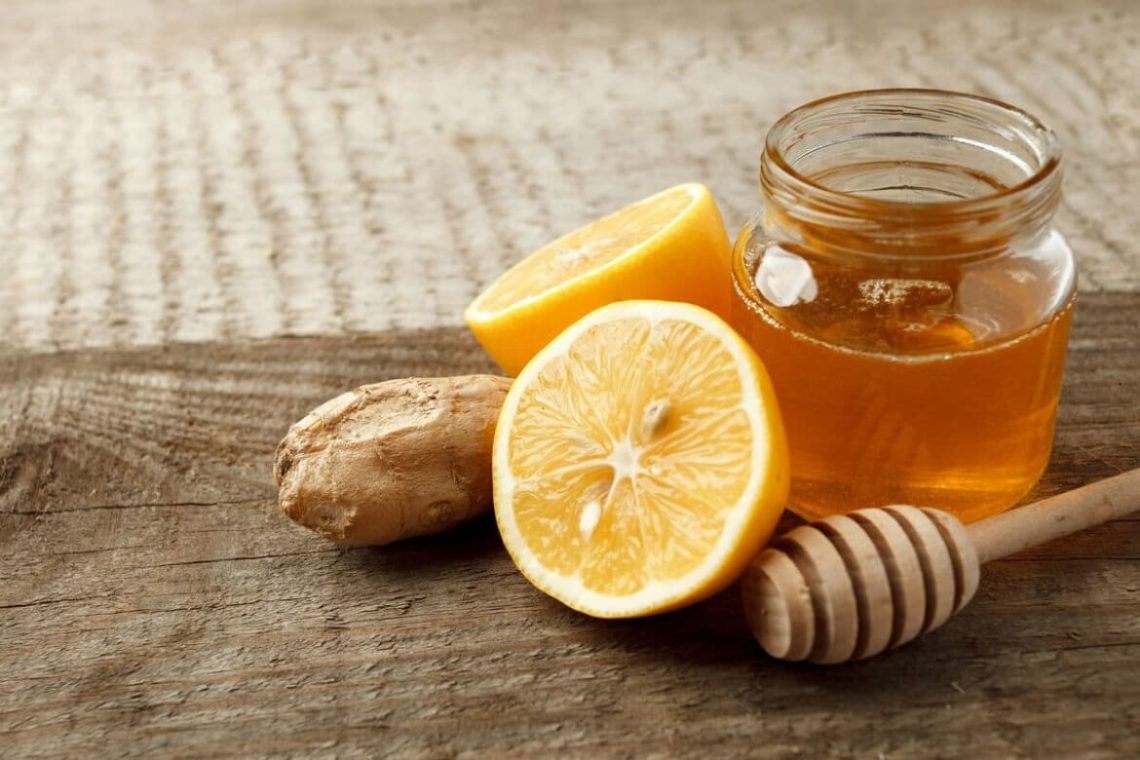
Honey with ginger is one of the simplest and most effective natural combinations for reducing inflammation in the body. From joint and muscle pain to intestinal or respiratory inflammation, this duo has scientifically documented effects. While ginger acts as a natural anti-inflammatory due to its compounds and bioactives (gingerols and shogaols), honey adds antibacterial, antioxidant, and regenerative properties. Together, they become a complete remedy capable of supporting the natural healing of the body without the side effects of conventional medications.
Benefits of Honey with Ginger in Inflammation
1. Reduces Chronic Inflammation in the Body
Ginger contains compounds like gingerol, which inhibit the production of pro-inflammatory cytokines (IL-6, TNF-). This effect decreases systemic inflammation and chronic pain, being useful in arthritis and rheumatism. Honey, rich in polyphenols and flavonoids, reduces oxidative stress that sustains inflammation. Together, they help the body restore the natural balance between inflammatory and antioxidant processes.
2. Alleviates Joint and Muscle Pain
Studies have shown that ginger acts on the COX-2 and LOX enzymes, which are involved in pain and inflammation. Thus, honey with ginger can be a natural alternative to synthetic anti-inflammatories. People suffering from chronic joint pain report significant improvement after just 2-3 weeks of regular consumption.
3. Relieves Respiratory Inflammation
This combination soothes cough, throat pain, and bronchial inflammation. Ginger acts as a natural bronchodilator, while honey coats the irritated mucosa, reducing the sensation of burning and discomfort. This effect is confirmed by numerous studies on honey’s soothing effect on the upper respiratory tract.
4. Supports Detoxification and Immunity
Through its antioxidant action, honey and ginger eliminate free radicals and reduce inflammatory processes at the cellular level. Additionally, it stimulates the production of white blood cells, improving the immune response. Regular consumption helps the body fight infections more effectively.
5. Protects the Heart and Blood Vessels
Chronic inflammation is one of the major causes of cardiovascular diseases. By reducing it, ginger and honey contribute to regulating blood pressure, lowering LDL cholesterol, and preventing the formation of atheromatous plaques.
Scientific Studies and Research
A study published in Journal of Medicinal Food (2019) demonstrated that ginger extract significantly reduces inflammatory markers in osteoarthritis patients, comparable to pharmacological treatments. Researchers observed an improvement in joint mobility and a decrease in pain after 12 weeks of daily administration.
Another study from Phytotherapy Research (2020) showed that honey, due to its flavonoid content, decreases the activity of inflammatory proteins (CRP and IL-1). In combination with ginger, the anti-inflammatory effect was amplified, indicating a strong synergy between the two ingredients.
In International Journal of Rheumatic Diseases (2021), it was shown that patients who consumed 1 tablespoon of ginger with honey daily experienced a 25% reduction in joint pain and a 30% decrease in morning stiffness compared to the control group.
Researchers from Nutrients (2022) analyzed the effects on the immune system and confirmed that the mixture stimulates the production of NK (natural killer) cells, involved in the immune response and combating chronic inflammation.
Additionally, a clinical study conducted at University of Tehran (2023) confirmed that the combination of ginger with honey reduces intestinal inflammation and bloating in patients with irritable bowel syndrome, without adverse reactions.
Traditional Recipe for Honey with Ginger
Ingredients:
- 200 g natural honey (preferably from linden or wildflower)
- 2 tablespoons of freshly grated ginger (or 1 tablespoon of organic ginger powder)
- optional: juice from half a lemon
Preparation:
- Peel the ginger and finely grate it.
- Mix it with the honey in a clean glass jar.
- If adding lemon, mix well and seal the jar tightly.
- Let the mixture macerate for 24 hours at room temperature.
How to Consume
- Take 1 tablespoon in the morning on an empty stomach and another in the evening, 30 minutes before bedtime.
- It can be added to warm water, tea, or plant-based milk (not hot, to avoid destroying the enzymes in honey).
- The treatment can be followed for a minimum of 3 weeks, with breaks of 7 days between cycles.
Contraindications
- Not recommended for individuals with active gastric ulcers, as ginger may increase acidity.
- Diabetics should consume with caution, monitoring blood sugar levels.
- Pregnant or breastfeeding women should consult a doctor before use.
- Avoid combining with anticoagulants (warfarin, aspirin) as ginger may enhance blood thinning effects.
- Not to be administered to children under 2 years due to the risk of allergic reactions to honey.




