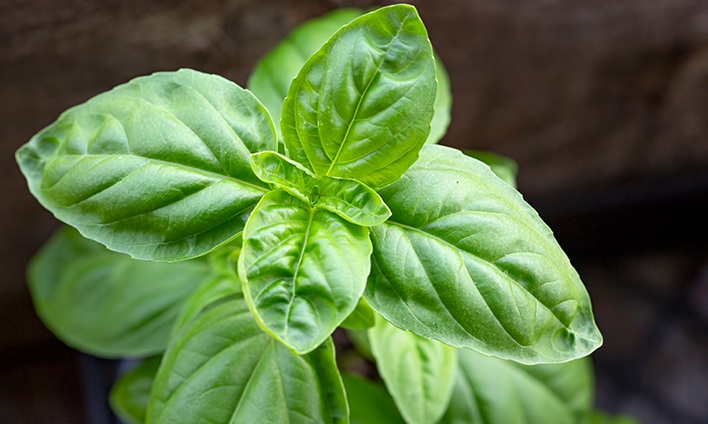
Basil (Ocimum basilicum), known primarily for its distinctive aroma in Mediterranean and Romanian cuisine, is much more than just a simple spice. In natural medicine, basil is considered a true ally against degenerative diseases, due to its rich content of antioxidants, essential oils, and bioactive compounds that protect cells from degradation processes. Degenerative diseases, such as Parkinson’s, Alzheimer’s, cardiovascular conditions, or osteoporosis, share a strong inflammatory and oxidative component, precisely where basil acts effectively.
The Benefits of Basil in Preventing Degenerative Diseases
1. Strong Antioxidant Protection
Basil is extremely rich in natural antioxidants, such as flavonoids, polyphenols, and essential oils (eugenol, linalool, citronellol), which combat free radicals responsible for cellular damage. Free radicals play a key role in the initiation and progression of degenerative diseases, as they affect DNA, proteins, and essential cellular structures. By neutralizing these radicals, basil helps prevent oxidative stress, which is considered one of the main causes of accelerated aging and neuronal dysfunction. Research suggests that regular consumption of antioxidant-rich foods reduces the risk of developing neurodegenerative diseases. Basil also acts as a protector of the nervous system by supporting cellular regeneration and reducing neuronal inflammation.
2. Demonstrated Anti-Inflammatory Effect
The eugenol in basil has an anti-inflammatory effect comparable to some synthetic medications, such as ibuprofen, but without side effects. Chronic inflammation is a central factor in the development of degenerative diseases such as Alzheimer’s, multiple sclerosis, rheumatoid arthritis, or cardiovascular diseases. Regular consumption of basil contributes to the inhibition of pro-inflammatory enzymes such as cyclooxygenase (COX), thus reducing systemic inflammatory reactions. This action helps maintain the integrity of tissues and organs affected by degenerative processes. In vivo studies have shown that basil reduces levels of inflammatory cytokines, such as IL-6 and TNF-α, which are often elevated in autoimmune and degenerative diseases.
3. Neuroprotection and Support for Cognitive Function
Active compounds in basil, such as ursolic acid and linalool, have demonstrated the ability to protect nerve cells from damage and stimulate the synthesis of neurotransmitters. In the context of Alzheimer’s disease, where neurons are affected by beta-amyloid plaques and oxidative stress, basil offers a natural form of protection. Experimental studies on animal models have shown that administration of basil extract can improve memory, concentration, and learning. Additionally, basil supports the production of dopamine and serotonin, essential neurotransmitters for a balanced mental state and for preventing depression associated with degenerative diseases. It also reduces the accumulation of abnormal proteins in brain cells.
4. Protection of the Cardiovascular System
Basil contributes to the prevention of degenerative heart diseases by reducing blood pressure, cholesterol, and platelet aggregation. Eugenol has a natural vasodilatory effect, leading to better blood circulation and reducing the risk of heart attack or stroke. It also contains magnesium, potassium, and flavonoids that help maintain the elasticity of blood vessels. It has been observed that basil reduces levels of oxidized LDL cholesterol, one of the main factors in the development of atherosclerotic plaques. By protecting the vascular endothelium, basil slows down the aging process of arteries and prevents damage to vascular walls.
5. Supports Mitochondrial Function
Deficient mitochondrial function is a major factor in the onset of neurodegenerative diseases. Studies have shown that flavonoids in basil support mitochondrial health, improving cellular metabolism and the body’s ability to produce energy at the cellular level. This is essential for energy-demanding cells, such as neurons or muscle cells. By protecting mitochondria from oxidative stress and damage caused by free radicals, basil can prevent premature cell death. This action is important not only for the brain but also for muscles, the heart, and other tissues affected in degenerative diseases.
Study
A study published in Frontiers in Pharmacology (2020), titled Ocimum basilicum: A Review of Phytochemistry, Pharmacology, and Toxicology, synthesized the results of research on the antioxidant and neuroprotective effects of basil. The authors highlighted that basil contains over 30 active compounds, among which flavonoids and eugenol are the most important in the fight against degenerative diseases. It was found that these substances have the ability to reduce oxidative stress levels in neuronal cells exposed to beta-amyloid, a protein involved in Alzheimer’s disease. Furthermore, basil extracts prevented memory loss in laboratory animals by reducing inflammation in the hippocampus. The study also emphasized the effect of basil on mitochondrial protection, as well as its ability to reduce neuronal apoptosis. Additionally, researchers noted a significant decrease in inflammatory markers after administration of the extract. The study suggests that basil could be used as a complementary treatment in neurodegenerative therapies and recommends further clinical investigations on human subjects.
Nutritional Table (Fresh Basil Leaves 100 g)
| Nutrient | Amount |
|---|---|
| Calories | 23 kcal |
| Protein | 3.2 g |
| Fat | 0.6 g |
| Carbohydrates | 2.7 g |
| Fiber | 1.6 g |
| Vitamin K | 414.8 µg |
| Vitamin A | 264 µg |
| Vitamin C | 18.0 mg |
| Magnesium | 64 mg |
| Potassium | 295 mg |
| Iron | 3.2 mg |
| Calcium | 177 mg |
Contraindications
Basil, when consumed in food quantities, is considered safe. However, in large amounts or in the form of concentrated extract, it may have side effects:
- Pregnant and breastfeeding women should avoid concentrated extracts, as some animal studies suggest possible hormonal effects.
- People with bleeding disorders should be cautious, as eugenol can thin the blood and increase the risk of bleeding, especially in combination with anticoagulants.
- Allergies to plants in the Lamiaceae family (mint, oregano, sage) may pose a risk of reaction to basil as well.
- Diabetics should monitor blood sugar levels, as basil may lower blood sugar levels.
- It is not recommended before surgical procedures due to its potential anticoagulant effects.
Sources:
- Frontiers in Pharmacology Ocimum basilicum: A Review of Phytochemistry, Pharmacology, and Toxicology
- Journal of Ethnopharmacology Neuroprotective effects of Ocimum basilicum extract in Alzheimer’s disease models




