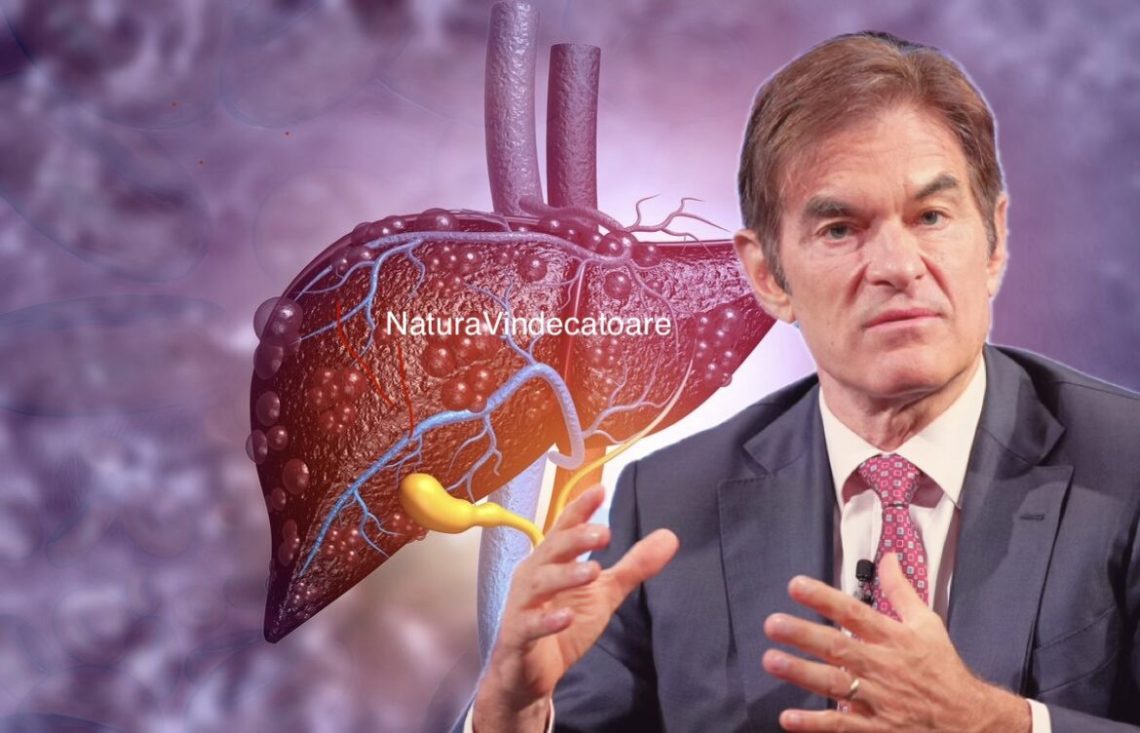
The liver is a vital organ with over 500 functions in the body. Among the most important are: filtering toxins, regulating hormones, digesting fats, and storing vitamins. Dr. Mehmet Oz, known for his appearances on health shows and educational interventions, draws attention to the dangers of rapid detoxification methods and instead promotes a clear set of recommendations for long-term liver care.
In this article, you will discover exactly what Dr. Oz recommends for a healthy liver, with detailed explanations, reference studies, and important contraindications.
Benefits of Dr. Oz’s Recommendations for the Liver
1. Adopting a Diet Based on Liver-Friendly Foods
Dr. Oz emphasizes that supporting the liver starts on the plate. He recommends incorporating cruciferous vegetables (broccoli, cabbage, cauliflower), garlic, onions, beets, and fiber-rich foods into the diet.
These contain compounds that stimulate the production of liver enzymes and help the liver eliminate toxins more easily.
Regular consumption of berries (especially blueberries and raspberries) provides a high intake of antioxidants, particularly anthocyanins, which reduce oxidative stress in the liver.
Dr. Oz does not recommend any miracle food, but rather a balanced diet based on colorful vegetables, healthy fats (olive oil, avocado, nuts), and whole grains.
Such a regimen, followed daily, not only prevents liver diseases but also contributes to cellular regeneration.
2. Gradually Reducing Toxins Instead of Aggressive Cleanses
According to Dr. Oz, the liver does not need a quick cleanse, but rather a slow and steady reduction of the toxins affecting it.
He recommends completely avoiding uncontrolled detox supplements, which may contain hepatotoxic plants.
Instead, he emphasizes the importance of reducing alcohol, refined sugar, carbonated drinks, and food additives.
Many people resort to 2-3 week detox programs, but Dr. Oz argues that this type of approach is illusory and can be dangerous.
His proposed solution: daily detoxification through a healthy lifestyle, supported by proper nutrition and rest.
3. Hydration and Natural Digestive Support
Dr. Oz emphasizes that a healthy liver needs adequate hydration. Water helps transport toxins processed by the liver to the kidneys and intestines for elimination.
He recommends consuming at least 1.5 to 2 liters of water daily, but not all at once; rather, it should be spread throughout the day.
Additionally, herbal infusions such as dandelion, milk thistle, rosemary, and mint can support the liver and digestion.
These can be consumed occasionally, but not excessively or without guidance, especially if there are liver conditions.
Efficient digestion reduces the burden on the liver, and Dr. Oz considers gut health an important factor in liver health.
4. Body Weight as an Indicator of Liver Health
A fatty liver is often associated with overweight and a sedentary lifestyle. Dr. Oz warns that the accumulation of visceral fat is one of the most common causes of liver disease.
His recommendation is clear: moderate daily exercise (brisk walking, 30 minutes of exercise, yoga, or cycling) and reducing unnecessary calories.
Losing just 5-10% of body weight can have remarkable beneficial effects on the liver, including reducing liver inflammation.
Dr. Oz warns against extreme diets; rapid weight loss can negatively affect the liver.
A slow, progressive weight loss based on healthy eating and physical activity is the recommended approach.
5. Sleep, Stress, and Liver Regeneration
Rest plays a crucial role in detoxifying the liver, and Dr. Oz insists on the importance of quality sleep.
During deep sleep, the liver performs its most intense blood cleansing and cellular regeneration processes.
Lack of sleep or a disordered lifestyle increases cortisol, which can lead to inflammation and impaired liver function.
Additionally, chronic stress weakens the entire digestive system and overburdens the liver. Dr. Oz recommends simple methods such as meditation, breathing exercises, and daily relaxation techniques.
Maintaining a balance between work, sleep, and relaxation is essential for long-term liver health.
Scientific Studies Explained
A study published in 2021 in the journal Nutrients analyzed the effect of cruciferous vegetables on liver function. Participants who consumed broccoli and cauliflower daily showed a significant reduction in liver enzymes AST and ALT. This decrease was associated with reduced inflammation and oxidative stress.
Another study conducted by European researchers demonstrated that the introduction of soluble fibers (from oats and flaxseeds) reduced liver fat accumulation by up to 18% in 3 months. Fibers help eliminate toxins through stool and reduce the absorption of unhealthy fats.
Studies on polyphenols from blueberries show that these antioxidants support the regeneration of hepatocytes and prevent lipid oxidation, a process involved in liver damage.
Japanese research on betaine from beets showed that it protects the liver from damage caused by toxins. This natural substance supports protein synthesis and liver metabolism.
A clinical study in the USA demonstrated that losing just 5% of body weight reduced liver inflammation in patients with non-alcoholic fatty liver. Additionally, an improvement in insulin sensitivity was observed, an essential factor in preventing liver complications.
Proper hydration has been associated, in an Israeli study, with improved liver function by reducing blood viscosity and supporting bile flow.
Research on milk thistle extract showed that silymarin reduces oxidative stress and stabilizes liver cell membranes.
Another study, conducted on individuals exposed to industrial pollutants, showed that a diet rich in garlic and onions contributed to the faster elimination of heavy metals by supporting liver function.
Clinical studies on sleep show that individuals who sleep less than 6 hours a night have an increased risk of metabolic syndrome, including liver impairment.
Finally, a meta-analysis from 2022 concluded that none of the so-called detox cures have effects comparable to a balanced diet, proper hydration, good sleep, and regular physical activity.
Contraindications
- Hepatoprotective plants (dandelion, milk thistle, artichoke) may interact with liver medications – consult your doctor.
- Natural liver supplements may contain toxic ingredients – avoid them without medical advice.
- Detoxification cures with juices or prolonged fasting are not recommended for individuals with liver conditions, diabetes, or digestive issues.
- Garlic in large quantities can irritate the stomach or interfere with anticoagulant medication.
- Do not replace prescribed treatment with natural methods without the specialist’s agreement.
Sources:
- Nutrients: Cruciferous Vegetables and Liver Function
- Journal of Hepatology: Fiber Intake and Liver Fat
- Liver International: Role of Betaine in Hepatic Protection
- Clinical Gastroenterology: Weight Loss and Liver Inflammation




