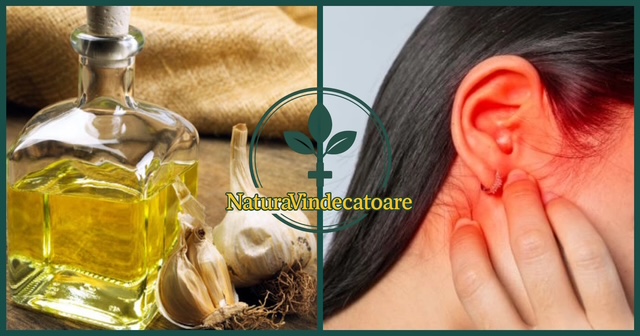
Garlic sunflower oil is one of those simple and effective remedies that have been used for ages to soothe ear pain. Made from ingredients found in almost every household, this mixture combines the moisturizing and protective properties of oil with the antimicrobial action of garlic. Over time, people have used it not only to alleviate pain but also to prevent the worsening of mild external ear conditions. Today, scientific research supports some of these uses, confirming that certain substances in garlic and sunflower oil can support ear health. While it does not replace medical consultation, this remedy remains a natural option worth considering.
Benefits
1. Rapid Relief from Ear Pain
Warm oil applied to the ear can relax tissues and reduce discomfort. The effect of warm compression helps stimulate local circulation, which can diminish pain. The fatty acids in the oil create a protective film, preventing further irritation of the skin. Combined with garlic, it also provides an antimicrobial effect, which can prevent superinfection. People who have used this home remedy often describe noticeable relief within the first few hours.
2. Antimicrobial Action
Allicin in garlic is known for its ability to inhibit the growth of bacteria and fungi. In oil, the active compounds are preserved and evenly distributed in the ear canal. This action can be beneficial in mild external otitis, preventing the worsening of symptoms. Some studies show that garlic oil extracts have effects comparable to certain topical antimicrobial treatments. Timely use can shorten the duration of discomfort.
3. Moisturizing and Protecting the Skin of the Ear Canal
Sunflower oil is rich in vitamin E, a natural antioxidant that helps repair skin. Applying a few drops can prevent dryness and irritation caused by excessive cleaning of the ear. Moisturizing the skin supports its barrier function against infections. This is especially important in cold seasons when dry air can exacerbate ear sensitivity. When used correctly, it can reduce itching and flaking of the skin.
4. Beneficial Local Warming
The warmth of the oil stimulates blood circulation in the ear area, which can accelerate the natural healing process. Additionally, it relaxes the surrounding muscles, reducing tension associated with pain. This effect has long been used in natural therapies, where warm oils play a calming role. The right temperature also helps in the more effective diffusion of active compounds from garlic. It is essential to check the temperature before application to avoid burns.
5. Assistance in Removing Earwax Plugs
The oil softens earwax, facilitating its natural removal. This prevents discomfort, the sensation of pressure, and even temporary hearing loss. Combined with garlic, it can also reduce the risk of plugs leading to infections. Application is usually done in the evening, allowing the plug to be gradually removed. However, it should not be used if there is suspicion of a perforated eardrum.
6. Support in Mild Inflammations
Sulfur compounds in garlic have anti-inflammatory effects, potentially reducing redness and swelling in the external ear canal. When used at the onset of symptoms, this effect can prevent the worsening of inflammation. The oil helps in the even distribution of these compounds. People who frequently use it for mild external otitis notice a quicker recovery. However, it is not recommended in severe infections without medical advice.
7. Accessible and Easy to Prepare Method
The ingredients are inexpensive and readily available, making this remedy quick to prepare in any household. It does not require special equipment, just a gentle heat source and a clean container. Preparation takes little time, and effects can appear even on the first day. This simplicity makes it useful in emergency situations. Nevertheless, it should be used with caution.
8. Possible Antioxidant Effect
Vitamin E and phytosterols in the oil protect skin cells from oxidative stress. Allicin and other compounds from garlic complement this action, supporting local regeneration. Antioxidants reduce the effects of free radicals, which can help maintain ear health. This effect is especially important for individuals frequently exposed to cold or pollution. Periodic use may contribute to long-term tissue protection.
Studies and Research
Study 1: Antimicrobial Activity of Garlic Oil
A study published in the Journal of Antimicrobial Chemotherapy analyzed the effect of garlic oil extract against bacteria involved in ear infections. Researchers tested allicin and other compounds on strains of Staphylococcus aureus and Pseudomonas aeruginosa. The results showed a significant reduction in bacterial growth in culture medium. The effect was stronger when garlic was infused in vegetable oil, due to the increased stability of the compounds. The study concluded that oil extracts could be useful as adjuncts in topical treatments. However, researchers warned that in vitro efficacy does not guarantee the same result in the body. The need for further clinical testing was emphasized. Currently, these results are used to justify the use of garlic oil in traditional medicine.
Study 2: Anti-inflammatory Effects of Garlic Compounds
A study conducted by the Department of Pharmacology, Kyungpook National University investigated how sulfur compounds in garlic reduce inflammation. It was found that they inhibit the production of pro-inflammatory cytokines and reduce the activity of enzymes involved in inflammatory processes. Tests on animal models showed a significant decrease in swelling and pain after local administration of garlic extract. The authors highlighted that topical application can provide direct benefits in affected areas. These data support the use of garlic in mild ear inflammations.
Authentic Recipe
Ingredients:
- 50 ml cold-pressed sunflower oil
- 2 cloves of fresh garlic
Preparation Method:
- Crush the garlic cloves and let them sit for 10 minutes to activate allicin.
- Put the oil in a small pot and add the crushed garlic.
- Warm in a water bath for 10 minutes without boiling.
- Let it cool and strain the oil through a sterile cheesecloth.
- Store in a dark glass bottle in a cool place.
Usage Instructions
- Warm the oil slightly until it becomes warm (test on the wrist).
- Put 2-3 drops in the ear, once or twice a day.
- Lie on your side for 5-10 minutes, then let the oil drain onto a clean compress.
Contraindications
- Do not use if there is a perforated eardrum.
- Avoid in case of allergy to garlic or sunflower seeds.
- Not recommended in severe infections without medical advice.
- Do not use in children under 3 years without pediatric consultation.
- Do not store the oil for more than 7 days after preparation.
Nutritional Table (per 100 ml sunflower oil)
| Nutrient | Approximate Amount |
|---|---|
| Energy | 884 kcal |
| Total Fat | 100 g |
| Monounsaturated Fatty Acids | 19 g |
| Polyunsaturated Fatty Acids | 69 g |
| Saturated Fatty Acids | 11 g |
| Vitamin E | 41 mg |
| Phytosterols | 300 mg |




