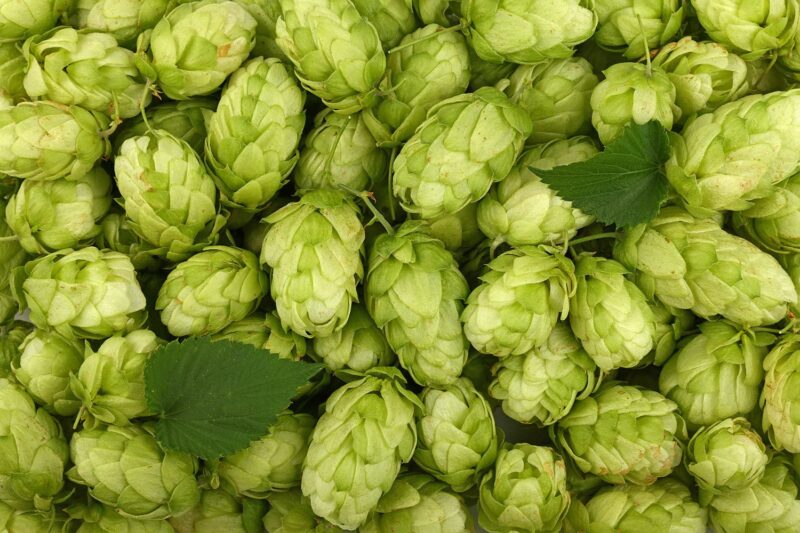
Hops (Humulus lupulus) is primarily known as a key ingredient in beer production, but in herbal medicine, it holds a special place due to its profound effects on the nervous system and sleep quality. Dried hop cones have been used for centuries to induce relaxation, combat insomnia, and reduce anxiety. Its effects are supported by scientific studies and its traditional use in various European cultures. This article details how hops work, how they can be used, and what precautions should be taken.
Benefits of Hops for the Nervous System and Sleep
1. Induces Sleep Naturally
Hops are recognized for their ability to induce sleep through natural mechanisms, without severe side effects. The main active compound, 2-methyl-3-buten-2-ol, acts on GABA receptors, which regulate relaxation and sleep. This substance helps shorten the time needed to fall asleep and increases the duration of deep sleep. Unlike synthetic sleep aids, hops do not produce dependency. They can be administered as tea or tincture, being especially effective when combined with valerian.
2. Calms Anxiety and Agitation
Hops extracts have sedative and anxiolytic effects, contributing to the reduction of nervous tension. Its action is due to the presence of flavonoids and bitter compounds that directly influence neurotransmitters involved in stress. Individuals with mild panic attacks or adjustment disorders may benefit from regular administration of hops. Additionally, it can reduce mental tension without affecting mental clarity. Hops are often included in supplements for balancing the nervous system.
3. Reduces Nighttime Awakenings and Optimizes Sleep Quality
In addition to inducing sleep, hops also help maintain it throughout the night. People who frequently wake up or have fragmented sleep may notice significant improvement. This effect is due to the stimulation of endogenous melatonin secretion and the regulation of the circadian cycle. Drinking hops tea an hour before bedtime is a simple and effective method. Sleep becomes deeper and more restorative, contributing to the recovery of the nervous system.
4. Helps Calm the Central Nervous System During Overexertion
During stressful or intellectually demanding periods, hops have a protective effect on the nervous system. The flavonoids in its composition reduce neuronal inflammation and support mental balance. Recent studies show that it can reduce symptoms of burnout syndrome and irritability. Hops can be used in the form of capsules, tea, or calming baths. The effect is cumulative, and results are observed after a few days of regular use.
5. Contributes to Muscle Relaxation and Reduces Physical Tension
In addition to its psychological effects, hops also have a physical relaxing component. Its extracts help relieve tense muscles, especially in cases where stress causes cramps or muscle pain. This effect is also utilized in phytotherapy applied in therapeutic massages with infused oils. Hops tea can be combined with lavender or lime blossom for an enhanced antispasmodic effect. This muscle relaxation also contributes to an overall sense of well-being and deeper sleep.
Relevant Scientific Studies
Study Published in Phytomedicine, 2010
A study conducted by German researchers analyzed the effect of a mixture of hops and valerian on sleep disorders in 30 patients. The research showed that the group taking the combined extracts had a significant improvement in sleep duration and quality, without side effects. Participants reported deeper sleep, fewer nighttime awakenings, and an overall better state in the morning. These results support the use of hops as a natural adjunct in insomnia.
The mechanism of action involves the binding of active substances in hops to GABA receptors, regulating neuronal excitability. This effect is similar to that of benzodiazepines, but without the risk of dependency. The study also emphasized that hops are more effective when used in synergy with other calming plants. Researchers concluded that hops can successfully replace mild sleep medications in moderate cases.
Study Published in Journal of Alternative and Complementary Medicine, 2014
Another study was conducted on a group of nurses working night shifts who experienced frequent insomnia. After four weeks of administering hops in capsule form, improvements in sleep parameters and a decrease in stress levels were observed. Specifically, the time to fall asleep was reduced by approximately 30%, and overall well-being significantly increased.
Researchers noted that hops influence not only sleep quality but also daytime mental state. The adaptogenic effect of the plant was considered an advantage compared to conventional medications, which can cause drowsiness during the day. Participants reported feeling more rested, more focused, and less irritable. This study provides clear evidence of the positive impact of hops on mental and physical health.
Contraindications and Precautions
-
Pregnancy and Breastfeeding Hops are not recommended for pregnant or breastfeeding women due to possible hormonal effects.
-
Severe Depression May exacerbate feelings of apathy in cases of profound depression. Caution is advised.
-
Drug Interactions May interact with sedatives, antidepressants, anxiolytics, or sleep aids. Consult a doctor before administration.
-
Allergies Individuals allergic to plants in the Cannabaceae family should avoid using hops.
-
Excessive Consumption Long-term administration in high doses may cause daytime drowsiness or lethargy.
Methods of Use
-
Hops Tea 1 tablespoon of dried cones in 250 ml of water, infused for 10 minutes, consumed in the evening.
-
Hops Tincture 20-30 drops diluted in water, administered 30-60 minutes before bedtime.
-
Capsules or Standardized Extracts The recommended dosage varies between 200-400 mg/day, according to the manufacturer’s instructions.
-
Pillows with Dried Hops In German tradition, pillows filled with hops were used for more restful sleep.
Nutritional Table (per 100 g of dried cones)
| Component | Approximate Amount |
|---|---|
| Dietary Fiber | 15 g |
| Flavonoids | 1.5 g |
| Bitter Acids (humulone, lupulone) | 45 g |
| Volatile Oils | 0.51 g |
| Vitamin B6 | 0.3 mg |
| Vitamin C | 12 mg |
| Iron | 2.2 mg |
Sources
-
Phytomedicine Efficacy of a fixed valerian-hops extract combination for treatment of insomnia
-
Journal of Alternative and Complementary Medicine The Effect of Hops (Humulus lupulus) on Sleep Quality in Shift-Working Nurses




