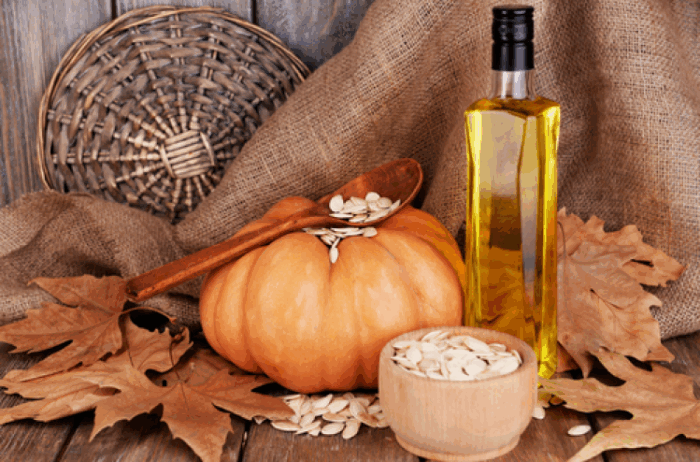
Pumpkin seed oil is considered a true elixir for men’s health, having been used for centuries in traditional medicine for prostate and urinary bladder conditions. What was once just a folk remedy is now confirmed by modern research. With a rich profile of unsaturated fatty acids, phytosterols, zinc, and antioxidants, this oil has demonstrable effects in reducing the unpleasant symptoms of benign prostatic hyperplasia (BPH) and in supporting urinary health in both sexes.
Benefits for Prostate
1. Reduces symptoms of benign prostatic hyperplasia (BPH)
Pumpkin seed oil contains phytosterols, natural substances that reduce inflammation and balance testosterone levels. These contribute to reducing the volume of the prostate and alleviating unpleasant symptoms such as frequent urination or difficulty fully emptying the bladder. Studies have shown that regular administration of pumpkin seed oil can lead to a significant decrease in the IPSS (International Prostate Symptom Score), used to assess the severity of prostate symptoms.
2. Supports male hormonal function
The essential fatty acids in this oil help regulate hormonal levels, indirectly supporting prostate health. Zinc, another valuable component, is essential for testosterone production and the proper functioning of the male reproductive system. Regular consumption helps maintain a healthy hormonal balance, which can prevent or delay the onset of prostate issues.
3. Natural anti-inflammatory effect
Another important benefit is the oil’s ability to reduce inflammation in prostate tissues. This anti-inflammatory effect not only helps alleviate pain but also reduces swelling, providing overall symptom relief. This effect is attributed to the high content of omega-9 and omega-6, along with vitamin E.
Benefits for Urinary Bladder
4. Alleviates symptoms of overactive bladder
Pumpkin seed oil has demonstrated positive effects on the urinary bladder, especially in individuals suffering from urinary incontinence or frequent urination, including at night. A study conducted in Japan showed that supplementation with pumpkin seed oil significantly reduced the urgent need to urinate in both sexes, particularly in the elderly.
5. Maintains urinary bladder tone
The bioactive substances in the oil contribute to toning the muscles of the urinary bladder, preventing its weakening, a common factor in older individuals. By strengthening the structure of the bladder muscles, urinary control improves, and episodes of involuntary leakage are reduced.
6. Prevents recurrent urinary infections
Due to its antioxidant content and anti-inflammatory compounds, the oil also helps protect the urinary tract against infections. Zinc supports local immunity, and its natural antimicrobial properties can reduce the risk of pathogenic bacteria developing in the urinary area.
Studies and Research
Study Journal of Traditional and Complementary Medicine (2014)
A Japanese study evaluated the effects of pumpkin seed oil on overactive bladder in men and women over 50 years old. After 12 weeks of daily administration of 10 g of oil, a significant reduction in urinary frequency and urgency was observed. Researchers concluded that the beneficial effect is due to compounds such as delta-7-sterols, which modulate the activity of hormones involved in bladder contraction.
Study Food and Function (2011)
This study analyzed the effect of phytosterols from pumpkin seed oil on patients with benign prostatic hyperplasia. After 6 months, patients who consumed standardized pumpkin seed oil extract experienced a reduction in symptoms by up to 40%. Additionally, a decrease in prostate volume and a significant improvement in urinary flow were noted.
Study Evidence-Based Complementary and Alternative Medicine (2014)
Another clinical study investigated the combination of pumpkin seed oil with saw palmetto extract in treating BPH symptoms. A significant reduction in inflammation and an improvement in patients’ quality of life were observed. The authors highlighted the synergistic effect of the two remedies, as well as the individual efficacy of pumpkin seed oil.
Nutritional Values (per 100 ml)
| Component | Approximate Amount |
|---|---|
| Unsaturated fatty acids | ~85 g |
| Phytosterols | 265 mg |
| Zinc | 8-10 mg |
| Vitamin E | 40-60 mg |
| Omega-6 | 40-50 g |
| Omega-9 | 30-35 g |
Dosage Instructions
- Recommended dose: 1 tablespoon (approx. 10 ml) in the morning, on an empty stomach
- Duration: Minimum 4 weeks for visible results
- Forms of consumption: raw, in salads, or taken as is
- Important: do not fry and do not use for thermal cooking
Contraindications and Precautions
- Allergies: Individuals allergic to pumpkin seeds should avoid consumption.
- Anticoagulant treatment: May increase the risk of bleeding when combined with anticoagulant medications.
- Hormonal disorders: Although beneficial for hormonal balance, individuals with hormone-sensitive conditions (e.g., hormone-origin prostate cancer) should consult a doctor.
- Children and pregnant women: Not recommended without medical advice for children under 12 years and for pregnant or breastfeeding women.
- Drug interactions: May interact with diuretics or hormonal therapies.
Sources:
- Journal of Traditional and Complementary Medicine Effects of pumpkin seed oil on urinary disorders in adults
- Food and Function Phytosterols in pumpkin seed oil and their effect on BPH symptoms
- Evidence-Based Complementary and Alternative Medicine Combination of saw palmetto and pumpkin seed oil in the treatment of LUTS




