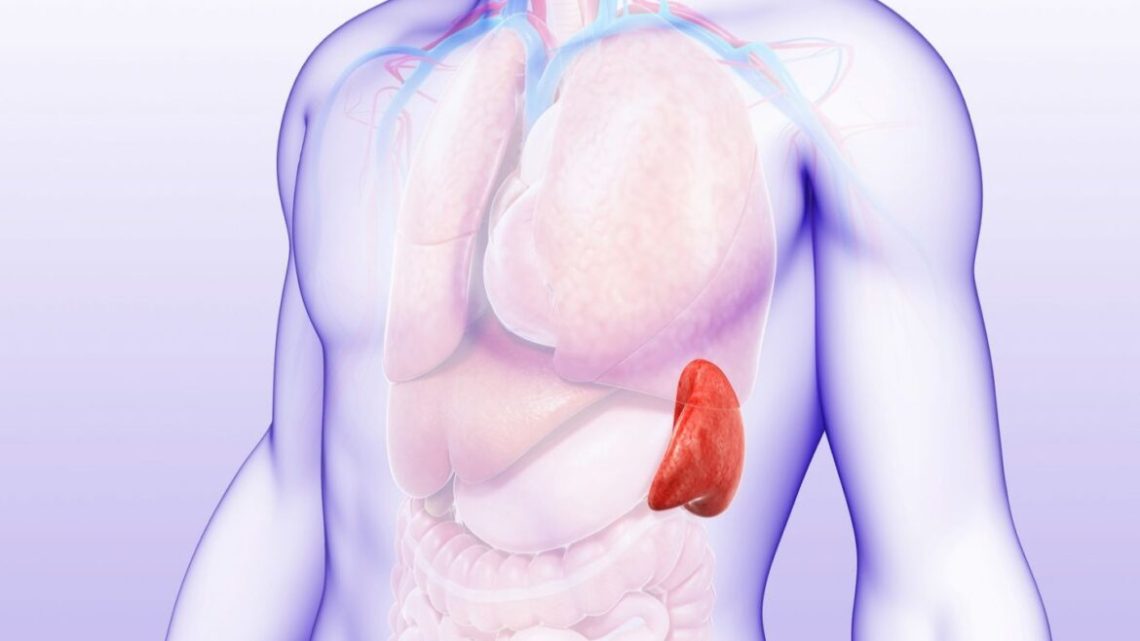
The spleen is an often ignored organ in folk medicine, but it plays an essential role in the immune system, filtering blood and recycling dead red blood cells. Located on the left side of the abdomen, beneath the ribs, it acts as a silent guardian of our health. When it is overworked or affected, symptoms such as chronic fatigue, frequent infections, or coagulation problems may arise. Fortunately, certain medicinal plants contribute to detoxifying, balancing, and revitalizing the spleen. This article presents the most effective plants for maintaining the health of this essential organ.
Medicinal Plants That Support Spleen Health
1. Chicory (Cichorium intybus)
Chicory is one of the most important bitter plants for supporting liver function and, implicitly, the spleen. It contains bitter substances, inulin, and flavonoids that stimulate lymphatic drainage and help eliminate toxins from the body. As a plant with a general detoxifying action, it indirectly helps to decongest the spleen when it is overburdened by toxins. Additionally, it improves digestion, which reduces pressure on the lymphatic system and the spleen. Chicory root tea is recommended in courses of 2-3 weeks for revitalizing the spleen.
2. Astragalus (Astragalus membranaceus)
Used in traditional Chinese medicine, Astragalus is an adaptogenic plant that strengthens the immune system and aids in the regeneration of lymphoid organs, including the spleen. It contains polysaccharides and saponins that support the body’s ability to fight infections and recover during periods of weakness. Studies have shown that Astragalus stimulates T cells and macrophages, key processes in immunity, in which the spleen plays an active role. It also combats inflammation and reduces oxidative stress, factors that can affect spleen health. It is recommended in the form of tincture or standardized capsules.
3. Burdock (Arctium lappa)
Burdock is recognized for its deep healing capacity for the blood and lymphatic system. Since the spleen filters blood and helps recycle blood cells, plants that support these functions are extremely valuable. Burdock contains arctiin, volatile oils, and phenolic acids that have purifying, antioxidant, and antimicrobial effects. It is especially useful in cases where the spleen is congested or inflamed. It can be administered in the form of decoction or tincture, in courses of 3 weeks.
4. Ginger (Zingiber officinale)
Ginger stimulates blood circulation and has anti-inflammatory effects, thus contributing to reducing pressure on the spleen. It acts by thinning the blood and stimulating the elimination of toxins, which helps the spleen function more efficiently. Additionally, it supports digestion and reduces chronic inflammation, two elements closely related to spleen health. It can be consumed fresh, in infusion, or added to juices and smoothies.
5. Turmeric (Curcuma longa)
Curcumin, the active component in turmeric, has powerful anti-inflammatory properties, supporting the detoxification of the liver and spleen. It helps reduce toxic accumulation that can affect the spleen and stimulates the regeneration of immune cells. Moreover, turmeric improves circulation and protects cells against oxidative stress. For optimal absorption, it is recommended to combine it with black pepper.
6. Dandelion (Taraxacum officinale)
Dandelion root supports the liver and spleen through its diuretic and detoxifying effects. It contains bitter substances, flavonoids, and phytosterols that help purify the blood and eliminate metabolic waste. Since the spleen participates in filtering blood, dandelion indirectly helps it function more efficiently. It is indicated in the form of infusion from the root or tincture, administered in courses of 2-3 weeks.
Studies
A study published in Journal of Ethnopharmacology (2021) analyzed the effects of Astragalus extract on spleen regeneration in mice exposed to radiation. Researchers observed significant regeneration of splenic tissue, increased T cell production, and improved immune function. The study concluded that Astragalus has significant potential in supporting the spleen in the context of immunodeficiencies.
Another study published in International Journal of Molecular Sciences (2020) showed that curcumin reduces spleen inflammation and supports its regeneration in cases of damage caused by autoimmune diseases. By lowering levels of inflammatory cytokines and stimulating antioxidant enzymes, curcumin protects splenic tissue against oxidative damage.
Studies conducted on dandelion, published in Frontiers in Pharmacology (2022), highlighted its ability to reduce hepatic and splenic oxidative stress, demonstrating hepatoprotective and anti-inflammatory action. These effects indirectly help maintain spleen health, especially in chronic conditions.
Tea Recipe for Supporting the Spleen
Recommended Blend (for 250 ml of water):
- 1 tablespoon of a blend made of:
- Chicory root (30%)
- Burdock (20%)
- Dandelion (20%)
- Calendula flowers (15%)
- Nettle leaves (15%)
Preparation Method:
Pour 250 ml of hot water over 1 tablespoon of the blend. Let it steep for 10-12 minutes, then strain. Drink 2 cups a day for 3 weeks.
Contraindications
- Individuals with splenomegaly (enlarged spleen) should consult a doctor before consuming lymphatic stimulating plants.
- Turmeric and ginger may interact with anticoagulants; caution is recommended in administration.
- Dandelion and chicory may cause allergic reactions in individuals sensitive to plants from the Asteraceae family.
- Astragalus is not recommended in active autoimmune conditions or during immunosuppressive treatment.
- Longer courses of more than 4 weeks are not recommended without medical advice.




