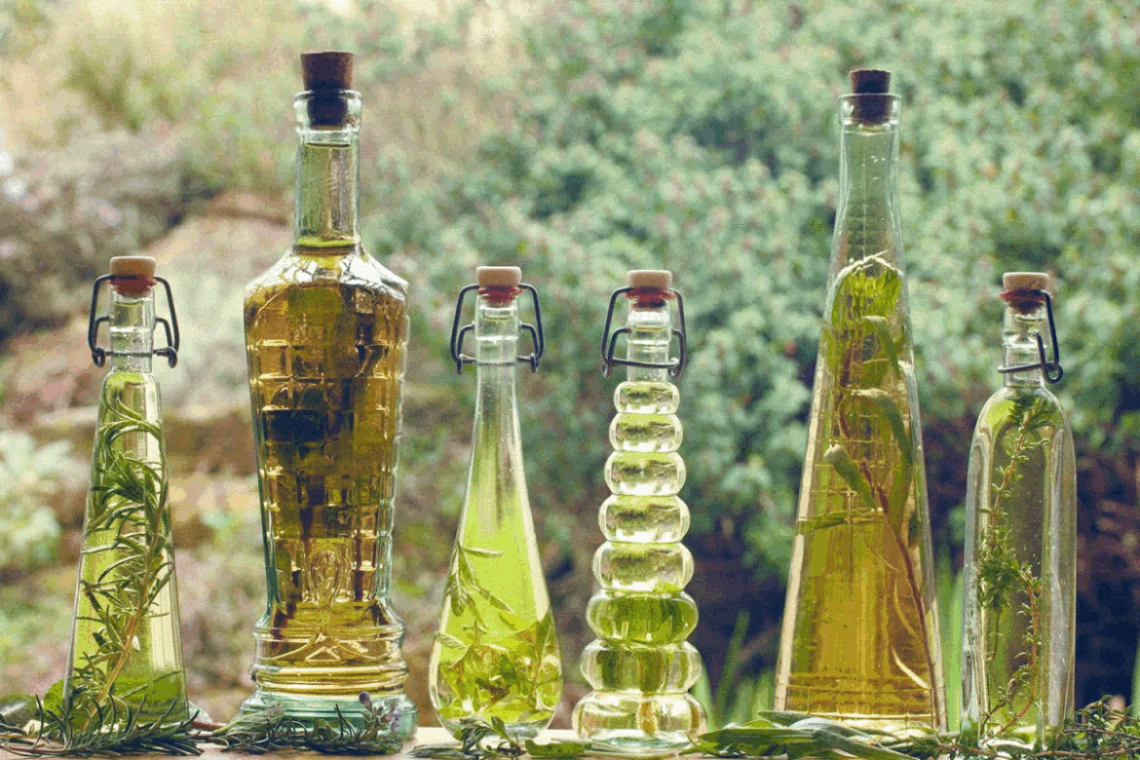
In folk medicine, medicinal vinegar was considered a true elixir, used not only as food but also as a first aid remedy. With a simple base of natural apple vinegar and medicinal herbs, this preparation combines in a single bottle the antimicrobial, anti-inflammatory, digestive-tonic, and detoxifying properties of nature. Similar to tinctures, but without alcohol, medicinal vinegar is easy to prepare at home, having multiple uses, from boosting the immune system to skin care.
Benefits of Medicinal Vinegar with Herbs
1. Stimulates Digestion and Reduces Bloating
Apple vinegar, combined with digestive herbs such as mint, chamomile, or fennel, helps activate enzymes and gastric juices. Consumed before meals, it supports the digestion process, especially after heavy meals. Bitter herbs (chicory, dandelion, artichoke) aid in bile drainage and fat breakdown. Vinegar also has a carminative effect, reducing intestinal gas accumulation. It is a natural alternative to synthetic digestive medications.
2. Supports Liver Detoxification
Medicinal vinegar can contain herbs such as dandelion, burdock, or rosemary, known for their effects on the liver. These herbs help regenerate liver cells and eliminate toxins from the body. Vinegar enhances the extraction of active compounds, acting as a natural solvent. Regular consumption in small doses supports the normal functioning of the liver and gallbladder. It is recommended during detoxification cures in spring or autumn.
3. Has Antibacterial and Antiviral Effects
The preparation combines the antimicrobial effect of vinegar with that of herbs such as thyme, garlic, or echinacea. These ingredients help strengthen the immune system and can prevent colds and mild infections. It can also be used externally for cleaning minor wounds or skin. Additionally, it can be inhaled in steam for clearing the respiratory pathways. Some people use it for gargling in case of sore throat (with caution and dilution!).
4. Improves Circulation and Reduces Inflammation
Herbs such as ginger, chili pepper, or rosemary, macerated in vinegar, stimulate peripheral circulation. This is especially useful for people suffering from cold extremities or joint pain. Rubbing with medicinal vinegar can soothe rheumatic and muscular pain. Moreover, the anti-inflammatory effect is also felt internally if consumed correctly. In combination with turmeric or willow bark, it can support joint health.
5. Helps Regulate Blood Sugar and Decrease Appetite
Apple vinegar is recognized for its ability to reduce postprandial blood sugar spikes. In combination with cinnamon, blueberry leaves, or mulberry leaves, it becomes a natural support for people with type 2 diabetes or insulin resistance. It can be included in salads or consumed diluted before meals. Additionally, it reduces sweet cravings and increased appetite. It is an ally in weight loss diets without affecting intestinal flora.
Relevant Studies
1. Antimicrobial Effect of Vinegar and Aromatic Herbs
A study published in Scientific Reports (2020) tested the efficacy of apple vinegar and extracts of herbs such as oregano and thyme against pathogenic bacteria (Staphylococcus aureus, E. coli). The results showed that these combinations significantly inhibited bacterial growth in the tested cultures. Researchers noted that acetic acid in vinegar acts as a potentiator of essential oils. Therefore, vinegar with aromatic herbs can be an effective natural alternative to synthetic disinfectants. The study concluded that the traditional use of these preparations has scientific justification. The authors propose the development of antimicrobial products based on herbs and vinegar. This research confirms ancient traditions in natural hygiene and immune support. It also provides an important direction for the development of sustainable natural remedies. In the case of mild infections, this type of vinegar can complement classical treatments. The study emphasizes the need for careful dosing and individual testing.
2. Apple Vinegar and Its Impact on Blood Sugar
According to a study published in Diabetes Care (2004), consuming apple vinegar before meals significantly reduced postprandial blood sugar in people with type 2 diabetes. Participants who consumed 2 tablespoons of vinegar before a carbohydrate-rich meal experienced a 20-30% decrease in blood sugar. The authors attribute this effect to acetic acid, which slows gastric emptying and improves insulin sensitivity. The study was conducted on a sample of 29 people and had a short duration, but the results were significant. In combination with herbs known for supporting the pancreas (blueberry, cinnamon), the effect can be enhanced. However, careful monitoring of blood sugar is recommended for individuals undergoing treatment. This study has been repeated in other subsequent research, confirming the potential of vinegar in metabolic control. It is important that the product is natural and unpasteurized. Dosage plays a crucial role in avoiding adverse effects.
Recipe for Medicinal Vinegar with Herbs
Ingredients:
- 500 ml organic, unfiltered apple vinegar
- 1 tablespoon dried mint leaves
- 1 tablespoon chamomile flowers
- 1 tablespoon dandelion root
- 1 tablespoon basil or rosemary
- optional: 2-3 crushed garlic cloves, 1 dried chili pepper, 1 tablespoon cinnamon
Preparation Method:
- Place the dried herbs in a clean glass jar.
- Pour the vinegar until it completely covers the herbs.
- Seal the jar tightly and shake daily for 2 weeks.
- After 14 days, strain through cheesecloth and store in a dark glass bottle.
- Keep in a cool place and it can be used for 6-8 months.
How to Consume
- Internally: 1 tablespoon of medicinal vinegar diluted in 200 ml of water, 15 minutes before meals.
- Externally: applied to the skin with a cotton pad or diluted for compresses.
- In salads: as a tonic and refreshing dressing, together with cold-pressed olive oil.
Contraindications
- Not recommended for individuals with hyperacid gastritis, gastric ulcers, or reflux esophagitis.
- May interact with anticoagulant or antidiabetic medications – consult a doctor before use.
- Not recommended for children under 3 years or pregnant women without medical advice.
- For external use, it must be diluted to avoid irritation of sensitive skin.
- Avoid excessive consumption – the recommended dose is a maximum of 2 tablespoons per day.




