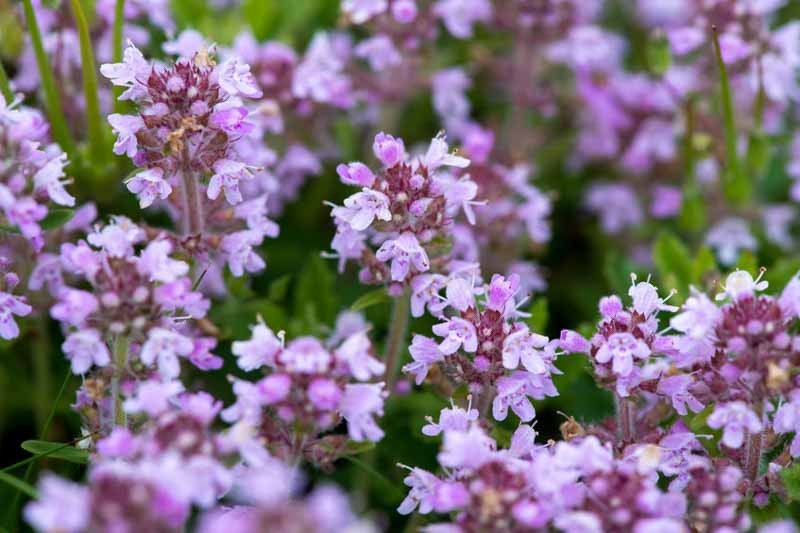
Thyme (Thymus serpyllum) is an aromatic and medicinal herb appreciated for centuries in phytotherapy, due to its rich content of essential oils, flavonoids, phenolic acids, and vitamins. In Romanian folk tradition, it was used both as a spice and as a remedy for colds, coughs, digestive issues, and fatigue. Modern science now provides clear evidence: regular consumption of thyme tea for 10 days can bring visible changes to the body.
Benefits After 10 Days of Regular Consumption
1. Improvement of Respiratory Function
Thyme tea is known for its expectorant and antitussive effects, due to active compounds such as thymol and carvacrol. These compounds help to thin bronchial secretions and relax the smooth muscles of the respiratory tract. Within just a few days, many consumers notice easier breathing and a reduction in persistent cough. Through its anti-inflammatory action, it reduces irritation of the respiratory mucosa, which aids recovery after infections. After 10 days, the effect becomes visible, especially in individuals with mild bronchitis or cold episodes.
2. Support for Digestion
Thyme stimulates the secretion of gastric and bile juices, aiding in the digestion of fatty foods and reducing bloating. Daily consumption for 10 days can regulate intestinal transit and calm abdominal cramps. The bitter substances in the plant promote more efficient digestion and reduce the risk of intestinal fermentation. Through its mild antimicrobial effect, it helps maintain a balanced intestinal flora. Individuals with slow digestion may notice a visible improvement.
3. Natural Antibacterial Effect
The essential oil of thyme, also present in the infusion, has a strong antimicrobial action, confirmed in numerous studies. After 10 days of consumption, it can contribute to reducing bacterial load in the body, especially in the oral and intestinal areas. This effect is useful in preventing mild infections and supporting natural immunity. Thymol, the main active compound, destroys bacterial membranes and inhibits microbial multiplication. The action is gentle but effective over time.
4. Reduction of Inflammation
Polyphenols in thyme act on inflammatory pathways in the body, reducing the production of pro-inflammatory cytokines. Individuals with joint pain or digestive inflammation may experience relief after 7-10 days of consumption. This anti-inflammatory action can also help reduce discomfort in cases of seasonal allergies. By decreasing inflammation, the body can recover more easily after physical exertion or illness. This effect is also supported by the plant’s antioxidant properties.
5. Improvement of Sleep and Relaxation
Thyme tea has a mild sedative effect, favored by flavonoids and volatile oils that act on the nervous system. After 10 days, many people notice more restful sleep and a reduction in mild anxiety. This effect is ideal for those with insomnia caused by stress or chronic fatigue. The relaxation induced by the tea also helps reduce muscle tension. Regular evening consumption can create a beneficial calming routine.
6. Support for Skin Health
Due to its antimicrobial and antioxidant properties, thyme helps cleanse the body of toxins that can affect the skin. After 10 days, some individuals report a reduction in skin irritations and an improvement in complexion. The internal purifying action reflects in clearer and brighter skin. Additionally, the tea can help soothe itching and redness caused by allergies. It is a gentle yet visible support for skin beauty.
7. Strengthening the Immune System
Through its combined antibacterial, anti-inflammatory, and antioxidant action, thyme tea supports the immune system. After 10 days, the body may respond more effectively to mild infections. The content of vitamin C, zinc, and flavonoids helps stimulate immune cells. It is a good ally during periods of increased risk of viral infections. Regular consumption can create a long-term protective effect.
8. Improvement of Blood Circulation
Certain substances in thyme have a mild vasodilatory effect, improving peripheral circulation. After 10 days, individuals with cold hands and feet may notice an improvement. Better circulation supports the oxygenation of tissues and recovery after exertion. This effect can also be useful in supporting cardiovascular health. Additionally, antioxidants protect blood vessels against oxidative stress.
Relevant Studies and Research
- Study published in Journal of Applied Microbiology (2018)
Researchers analyzed the effect of thymol and carvacrol from thyme on pathogenic bacteria such as Staphylococcus aureus and Escherichia coli. The results showed that these substances destroy the bacterial cell membrane and prevent their multiplication. The study used both alcoholic extracts and infusions, confirming that tea also has antimicrobial effects. In the first few days, a significant reduction in bacterial colonies was observed. This supports the use of tea as a preventive measure against infections. Researchers emphasized that the effects become more visible after regular consumption for at least 7-10 days. - Study conducted by University of Belgrade (2020)
The research team investigated the anti-inflammatory effects of thyme extract in patients with mild bronchitis. Participants consumed thyme tea for 10 days. The results indicated a clear reduction in respiratory symptoms and a decrease in inflammatory markers in the blood. The study also highlighted an improvement in respiratory capacity measured by spirometry. Patients reported a general improvement in their health status. Researchers concluded that this plant can be a valuable adjunct in respiratory conditions.
Contraindications
- Pregnant or breastfeeding women should avoid excessive consumption, as essential oils may have uterotonic effects.
- Individuals with allergies to plants in the Lamiaceae family should be cautious.
- The tea may interact with anticoagulants and hypertension medications.
- Excessive consumption may cause gastric irritation or diarrhea.
- In cases of chronic conditions, medical consultation is recommended before use.
Sources
- Journal of Applied Microbiology Antimicrobial properties of Thymus serpyllum essential oils
- University of Belgrade Anti-inflammatory effects of Thymus serpyllum tea in respiratory conditions




