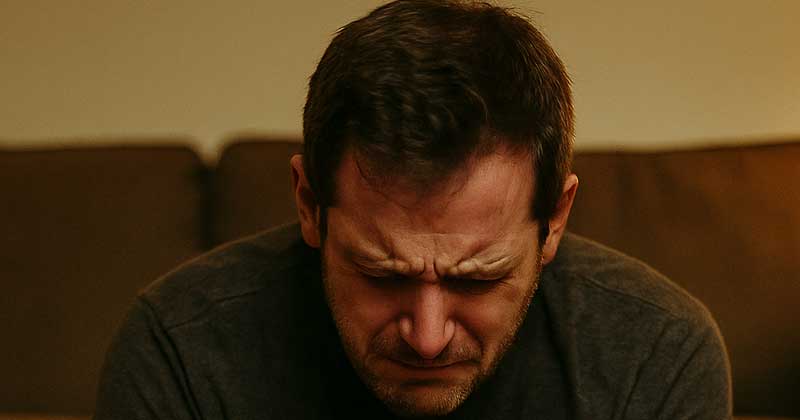
I used to send my mother $1,000 every month, but when she passed away, her account was empty: I burst into tears when I saw the bank statement.
The story of Aunt Tong and her son from China recently went viral on a platform.
Everyone in the village envied Aunt Tong because she had a son who was not only successful but also extremely devoted. Her son, whom the villagers affectionately called Xiao Hang, started his own business in his third year of college and founded a company at the age of 27. Many locals turned to him to hire their children.
Aunt Tong’s husband had passed away early when Xiao Hang was only 15 years old. Although he lacked a father’s support, the mother and son led a fulfilling and happy life. She worked tirelessly to raise her only child and made sure he would become a successful person. After years of hardship, she finally began to reap the rewards.
With a flourishing career, Xiao Hang bought a house and a car in the city. He invited his mother several times to live with him, but she refused each time, saying she preferred the tranquility of country life. When Xiao Hang turned 38, he married a smart, beautiful, and kind-hearted woman, which made Aunt Tong extremely happy.
However, a few years after the marriage, Xiao Hang began to visit his mother less frequently. Villagers often saw Aunt Tong looking sad, unlike her cheerful self before. Once, they saw her sitting on the doorstep, gazing into the distance with a lost expression. Some suspected that Xiao Hang was having financial problems and was ashamed to come home, but that was not the case. Every month, he sent his mother $1,000 for expenses, and in some months, even more, for new household items.
After speaking with Aunt Tong, the villagers learned that Xiao Hang was simply too busy with work and didn’t have time to visit her. Sometimes, she would call him just to hear his voice, but the conversations would end quickly due to urgent meetings. Even during holidays, he couldn’t make it home to share a meal together. That’s why the woman always seemed downcast.
One day, a neighbor saw Aunt Tong collapse on the ground, struggling to breathe. She immediately called for help, and the villagers rushed her to the hospital and informed Xiao Hang. Unfortunately, the doctor said she had suffered a sudden cerebral hemorrhage and could not be saved. The entire village mourned her death. When Xiao Hang received the news, he immediately returned home to arrange the funeral.
When he began sorting through his mother’s belongings, he discovered that there was no money left in her bank account. For over ten years, he had been sending her $1,000 a month. No matter how she spent it, there should have been a few thousand dollars left. Confused, he went to the bank and requested a bank statement.
When he saw the records, he was shocked: his mother had donated all the money to a nearby orphanage.
At the orphanage, the director told him that Aunt Tong would go there every weekend, playing with the children and taking care of them. She often said that the time spent with the orphans made her feel happy and less lonely. Every month, she donated the $1,000 she received from her son to buy food, toys, and sweets for the children.
Hearing this, Xiao Hang burst into tears, realizing the mistake he had made—leaving his mother alone for so long.
For the elderly, nothing is more precious than moments of joy spent with loved ones and shared family meals. Aunt Tong probably experienced a lot of loneliness in the last years of her life.
May this story remind us all how important it is to cherish the time spent with family, especially with our parents.
This work is inspired by real events and people, but it has been fictionalized for creative purposes. Names, characters, and details have been changed to protect privacy and enhance the narrative. Any resemblance to real persons, living or dead, or actual events is purely coincidental and not intended by the author.
The author and publisher do not assume responsibility for the accuracy of the events or for how the characters are portrayed and are not liable for any misinterpretations. This story is provided “as is,” and any opinions expressed belong to the characters and do not reflect the views of the author or publisher.


